Introduction
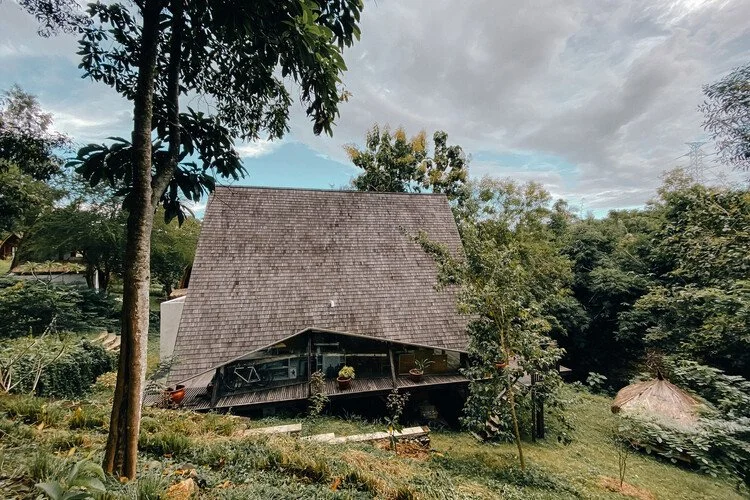
Southeast Asia contains a remarkable diversity of environments, including tropical rainforests, river valleys, coastal wetlands, highlands, and seasonal grasslands. Communities living in these landscapes developed different forms of architecture to respond to heat, rainfall, flooding, insects, and changing patterns of mobility.
Not all shelters were large or permanent. Many were small structures designed for temporary occupation during particular seasons or activities. These shelters could be used by hunters, fishers, farmers, traders, and people moving between settlements.
The study of their micro-architecture focuses on the small-scale decisions involved in construction: the placement of posts, the angle of roofs, ventilation openings, flooring materials, drainage arrangements, and the use of locally available resources.
Although temporary shelters rarely survive intact, their archaeological traces can provide valuable information about how people adapted architecture to the wet seasons of Southeast Asia.
The Importance of the Wet Season
The wet season has a major influence on life across much of Southeast Asia. Heavy rainfall can transform rivers, flood low-lying areas, soften soils, and make some routes difficult to travel.
These conditions affect where people can live and work. A location suitable during the dry season may become flooded or inaccessible during periods of intense rain.
Shelters therefore need to respond to changing environmental conditions. A raised floor can reduce exposure to surface water, while a steep roof helps rainwater run off quickly. Open sides may improve ventilation, although they also increase exposure to wind-driven rain.
Architecture reflects a balance between protection, comfort, mobility, and the resources available to builders.
What Is Micro-Architecture?
Micro-architecture refers to the small-scale structural features of buildings and shelters. Rather than focusing only on overall building plans, researchers examine individual construction elements and how they work together.
For a wet-season shelter, these features might include:
closely spaced roof supports,
raised sleeping platforms,
lightweight wall screens,
drainage channels,
sloping roofs,
ventilation gaps,
and replaceable flooring materials.
The term does not imply that these structures were primitive or poorly designed. A small shelter can demonstrate considerable engineering knowledge when its construction is carefully adapted to local conditions.
Raised Platforms and Flood Protection
One of the most recognizable architectural responses to wet environments is the raised platform.
Lifting a shelter above ground level can reduce exposure to surface flooding, mud, and crawling insects. It may also improve air circulation beneath the structure.
The height of the platform depends on local conditions. In areas with seasonal flooding, builders may raise floors significantly. In less flood-prone environments, a modest elevation may be sufficient.
Archaeological evidence for raised platforms can be difficult to identify. Wooden posts may decay, leaving only postholes or stains in the soil. In some environments, repeated flooding can disturb these traces.
Researchers therefore examine posthole arrangements, floor deposits, and surrounding drainage features to reconstruct the likely structure.
Roof Design and Rainwater Management
Roof construction is particularly important in regions that experience intense rainfall.
Steeply pitched roofs allow water to drain quickly and reduce the time that moisture remains on the roofing material. Wide eaves can protect walls and entrances from direct rainfall.
The choice of roofing material depends on local resources. Palm leaves, grasses, bark, bamboo, and other plant materials can be used in different combinations.
A roof may also be designed for easy replacement. Organic materials deteriorate in humid environments, so a shelter intended for repeated seasonal use may require regular repairs.
Archaeological remains rarely preserve the original roof. However, post spacing, roof-support arrangements, and impressions in clay may provide clues about construction techniques.
Ventilation and Thermal Comfort
Tropical humidity makes ventilation important. A shelter that traps warm, moist air can become uncomfortable and encourage mold growth.
Open-sided structures, raised floors, and gaps between wall materials can improve airflow. Some shelters may use screens or partial walls to provide protection while maintaining ventilation.
The orientation of a building can also matter. Builders may position openings to capture prevailing breezes or reduce exposure to strong winds.
These choices are difficult to reconstruct from archaeological evidence alone. Nevertheless, post arrangements and surviving architectural traditions can provide comparative information.
Materials and Construction Techniques
Southeast Asian communities had access to a wide range of building materials.
Bamboo is lightweight and versatile. It can be used for posts, frames, floors, walls, and roof supports. Palm leaves and grasses provide roofing materials, while timber may be used for more durable structural components.
The selection of materials often reflects the expected lifespan of the shelter. A temporary structure may rely heavily on materials that are easy to collect and replace.
More permanent buildings may require stronger foundations and more elaborate joinery.
Builders could also combine materials. A wooden framework might support woven plant walls, while a raised floor could be constructed from split bamboo or timber planks.
Seasonal Mobility
Wet-season shelters may have been associated with seasonal movement between different resource zones.
For example, communities could move toward elevated ground during periods of flooding or establish temporary shelters near seasonal fishing areas.
Farmers might also use small structures near fields to store tools, protect harvested crops, or provide temporary accommodation during agricultural work.
Not every seasonal shelter indicates nomadic life. People living in permanent villages may still construct temporary buildings for particular tasks.
The distinction between permanent settlement and temporary occupation is therefore important.
Archaeological Evidence
The remains of temporary shelters are often subtle. Postholes, hearths, compacted surfaces, drainage cuts, and concentrations of domestic artifacts can indicate occupation.
Organic materials may survive only in unusually favorable conditions, such as waterlogged deposits or environments with limited oxygen.
Archaeologists can examine soil chemistry to identify areas where human activity occurred. Phosphate concentrations, charcoal, burned clay, and microscopic plant remains may reveal the location of floors, cooking areas, and waste deposits.
The spatial arrangement of these features can help distinguish a shelter from an open-air activity area.
Ethnographic Comparisons
Modern and historically documented building traditions can help researchers understand the possible function of ancient structures.
Traditional stilt houses, bamboo shelters, raised granaries, and seasonal field huts provide examples of how builders respond to similar environmental challenges.
However, ethnographic comparison must be used carefully. A modern structure cannot automatically be treated as an unchanged survival of prehistoric architecture.
Communities adapt their construction methods over time, and the same environmental problem can produce different architectural solutions.
Preservation Challenges
The tropical climate creates serious difficulties for archaeological preservation.
Wood, leaves, bamboo, and other organic materials can decay quickly. Heavy rainfall may erode occupation surfaces, while floods can transport artifacts away from their original locations.
Later construction may also destroy earlier postholes and floors.
These conditions mean that the archaeological record may underestimate the importance of temporary architecture. A community could have relied extensively on lightweight shelters without leaving substantial visible remains.
Conclusion
The micro-architecture of wet-season shelters in Southeast Asia reveals how communities responded to rainfall, flooding, humidity, and seasonal mobility through carefully adapted construction.
Raised platforms, steep roofs, open ventilation, drainage features, and lightweight materials were not arbitrary design choices. They represented practical solutions to environmental conditions that shaped daily life.
Although temporary shelters are difficult to reconstruct archaeologically, postholes, soil deposits, hearths, and preserved organic materials can provide important evidence.
Studying these small structures expands our understanding of architecture beyond monumental buildings. It highlights the ingenuity involved in everyday construction and demonstrates how even temporary shelters can preserve valuable information about technology, mobility, and human adaptation.