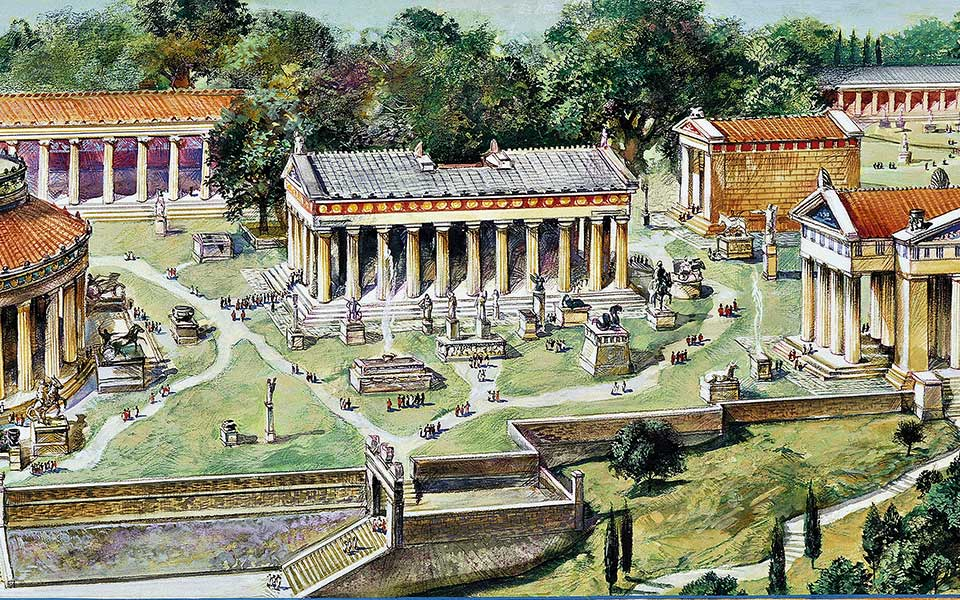
Healing as a Sacred Act
In ancient civilizations, healing was never separated from religion or spirituality. Illness was often believed to result from divine displeasure, spiritual imbalance, or supernatural intrusion. As a result, early healing centers were not hospitals in the modern sense but sacred spaces where medicine, ritual, prayer, and symbolism merged into a single system of care.
Dream Temples and Incubation Rituals
One of the most remarkable healing practices occurred in the Asclepieia of ancient Greece. These temples, dedicated to Asclepius, the god of medicine, practiced dream incubation, where patients slept in sacred chambers hoping to receive divine visions that revealed cures. Priests interpreted these dreams and prescribed treatments combining herbs, diet, baths, and ritual purification.
Sacred Springs and Water Healing
Across Europe, the Middle East, and Asia, sacred springs were believed to possess healing powers. Water was seen as a living force capable of cleansing both body and soul. Many of these springs later became associated with saints or religious figures, showing continuity between pagan and later religious traditions.
Egyptian and Mesopotamian Medical Rituals
In Egypt, healing involved surgical tools, herbal remedies, and magical spells recorded in medical papyri. Mesopotamian healers combined diagnosis with incantations, believing disease could be expelled through spoken words and ritual gestures.
Proto-Medicine and Observation
Despite their spiritual framework, ancient healers were keen observers. They recognized symptoms, tracked recovery, and passed down empirical knowledge. These temples represent the foundation upon which later medical science was built.