Why the Egyptians Built These Towering Monuments
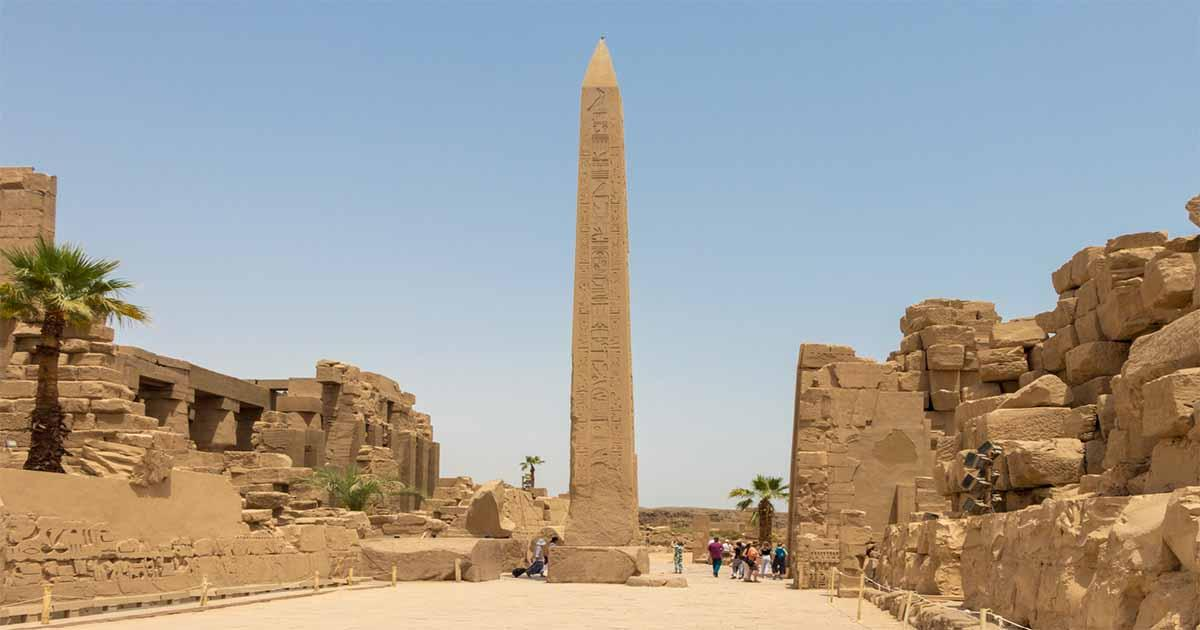
Obelisks stand as some of the most striking symbols of ancient Egypt tall, tapering pillars carved from single blocks of stone and capped with pyramid-shaped tips. Their meaning blends religion, power, and cosmic symbolism.
Sacred Symbols of the Sun
Egyptians connected obelisks with Ra, the sun god. The structures were thought to represent a frozen sunbeam, embodying light, life, and creation. Their polished granite surfaces reflected sunlight, making them shine like celestial markers.
Engineering Marvels
Carved from massive granite quarries in Aswan, obelisks weighed hundreds of tons. Moving them required extraordinary coordination:
beds of sand
wooden sledges
teams of hundreds pulling in unison
Erecting them required equally complex engineering, involving ramps, levers, and counterweights.
Monuments of Power
Pharaohs commissioned obelisks to honor gods and legitimize their reign. Paired obelisks stood at temple entrances like guardians, proclaiming divine authority.
A Lasting Influence
Many were later transported to Rome, Paris, Istanbul, and New York, spreading Egyptian symbolism across the world.