• MAIN PAGE
  • LATEST NEWS
    • Lost Cities
    • Archaeology's Greatest Finds
    • Underwater Discoveries
    • Greatest Inventions
    • Studies
    • Blog
  • PHILOSOPHY
  • HISTORY
  • RELIGIONS
    • Africa
    • Anatolia
    • Arabian Peninsula
    • Balkan Region
    • China - East Asia
    • Europe
    • Eurasian Steppe
    • Levant
    • Mesopotamia
    • Oceania - SE Asia
    • Pre-Columbian Civilizations of America
    • Iranian Plateau - Central Asia
    • Indus Valley - South Asia
    • Japan
    • The Archaeologist Editor Group
    • Scientific Studies
    • Aegean Prehistory
    • Historical Period
    • Byzantine Middle Ages
    • Predynastic Period
    • Dynastic Period
    • Greco-Roman Egypt
  • Rome
  • PALEONTOLOGY
  • About us
Menu

The Archaeologist

  • MAIN PAGE
  • LATEST NEWS
  • DISCOVERIES
    • Lost Cities
    • Archaeology's Greatest Finds
    • Underwater Discoveries
    • Greatest Inventions
    • Studies
    • Blog
  • PHILOSOPHY
  • HISTORY
  • RELIGIONS
  • World Civilizations
    • Africa
    • Anatolia
    • Arabian Peninsula
    • Balkan Region
    • China - East Asia
    • Europe
    • Eurasian Steppe
    • Levant
    • Mesopotamia
    • Oceania - SE Asia
    • Pre-Columbian Civilizations of America
    • Iranian Plateau - Central Asia
    • Indus Valley - South Asia
    • Japan
    • The Archaeologist Editor Group
    • Scientific Studies
  • GREECE
    • Aegean Prehistory
    • Historical Period
    • Byzantine Middle Ages
  • Egypt
    • Predynastic Period
    • Dynastic Period
    • Greco-Roman Egypt
  • Rome
  • PALEONTOLOGY
  • About us

The Obsidian Trade of Early Mesoamerica

March 7, 2026

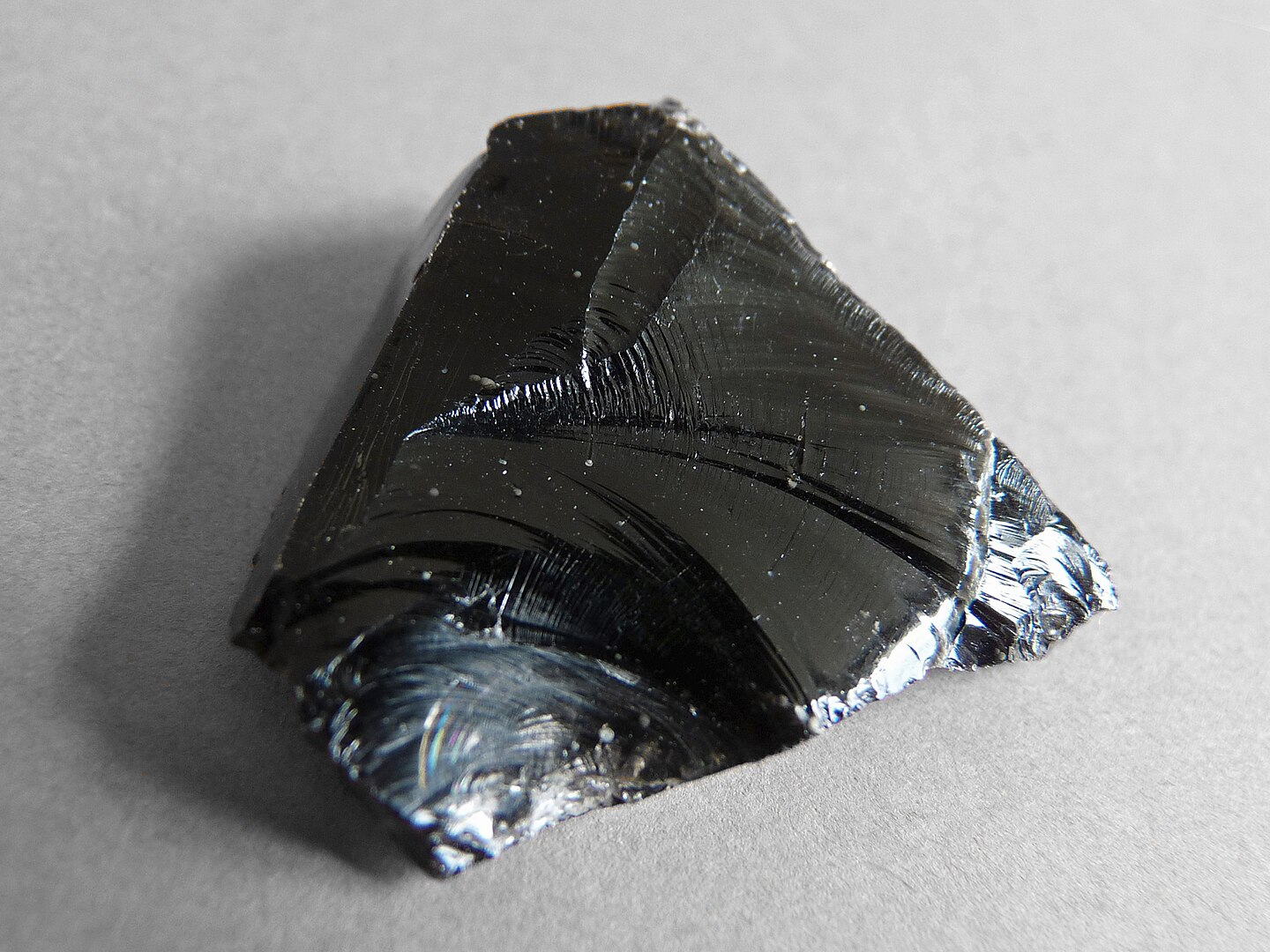
Few materials were as valuable to ancient civilizations as obsidian. This volcanic glass, formed when lava cools rapidly, fractures into incredibly sharp edges—far sharper than most metal blades.

In ancient Mesoamerica, obsidian was the backbone of technology, trade, and warfare.

Major volcanic sources such as Sierra de las Navajas produced enormous quantities of the black glass, which was mined and shaped into tools, knives, spear points, and ceremonial objects.

Because obsidian sources were geographically limited, long-distance trade networks developed to distribute it across the region. Archaeologists have traced obsidian artifacts hundreds or even thousands of kilometers from their volcanic origins using chemical fingerprinting.

In cities like Teotihuacan, specialized workshops mass-produced obsidian blades. Craftsmen developed standardized techniques that allowed them to produce large numbers of identical tools quickly.

Obsidian also held symbolic value. Polished mirrors made from the material were believed to possess spiritual power. Priests used them for divination, while warriors prized obsidian-edged weapons.

The trade in obsidian helped connect distant communities, spreading cultural influences and economic systems long before the arrival of written records in many regions.
← The Forgotten Bronze Age Kingdom of ArzawaThe Stone Temples of Göbekli Tepe’s Neighbors →
Featured
image_2026-03-07_211932144.png
Mar 7, 2026
The First Desert Irrigation Systems of Yemen
Mar 7, 2026
Read More →
Mar 7, 2026
image_2026-03-07_211851997.png
Mar 7, 2026
The Forgotten Bronze Age Kingdom of Arzawa
Mar 7, 2026
Read More →
Mar 7, 2026
image_2026-03-07_211802381.png
Mar 7, 2026
The Obsidian Trade of Early Mesoamerica
Mar 7, 2026
Read More →
Mar 7, 2026
image_2026-03-07_211721996.png
Mar 7, 2026
The Stone Temples of Göbekli Tepe’s Neighbors
Mar 7, 2026
Read More →
Mar 7, 2026
image_2026-03-07_211626791.png
Mar 7, 2026
The Ancient Bee-Keepers of Anatolia
Mar 7, 2026
Read More →
Mar 7, 2026
image_2026-03-07_211510108.png
Mar 7, 2026
The Ancient Makers of Bone Armor
Mar 7, 2026
Read More →
Mar 7, 2026
read more

Powered by The archaeologist