Long before refined sugar existed, honey was the most treasured sweet substance known to humanity. In the ancient landscapes of Anatolia, early farmers and ritual specialists developed surprisingly sophisticated methods of harvesting and cultivating honey. Archaeological evidence suggests that organized beekeeping may have emerged thousands of years ago, making honey not only a dietary staple but also a sacred offering tied to religion, medicine, and trade.
Clay vessels discovered in Neolithic and Bronze Age settlements show traces of beeswax residue, suggesting that honey was stored, transported, and possibly fermented into beverages. Beeswax itself had many uses: sealing pottery, waterproofing containers, crafting ritual candles, and preserving goods.
In ancient cultures, honey symbolized purity and immortality. Temples often required honey offerings for ceremonies dedicated to fertility or harvest gods. Later civilizations in Anatolia, including those connected to the powerful Hittite Empire, incorporated honey into ritual feasts and temple sacrifices. Written tablets from the region describe honey being delivered alongside grains and livestock as tribute.
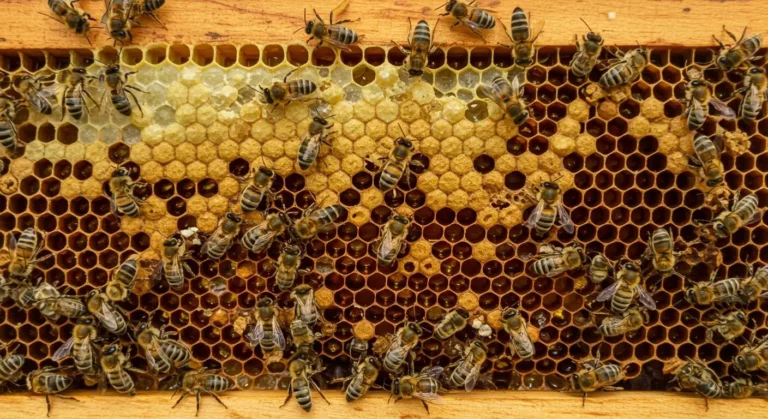
Early beekeepers likely used hollow logs, clay tubes, or woven baskets as primitive hives. These were placed near flowering fields where bees could easily gather nectar. Seasonal migration of hives may also have occurred, following blooming plants across valleys and hills.
Beekeeping required patience and observation. Ancient farmers learned when to harvest honey without destroying the colony, how smoke could calm bees, and how environmental conditions affected honey production.
Beyond food and ritual, honey had medicinal value. It was used as an antiseptic for wounds, a preservative for herbs, and a base for healing mixtures. This made honey one of the earliest natural medicines widely recognized across ancient societies.
Today, Anatolia remains one of the world’s most diverse honey-producing regions, a living echo of traditions that may stretch back nearly ten thousand years