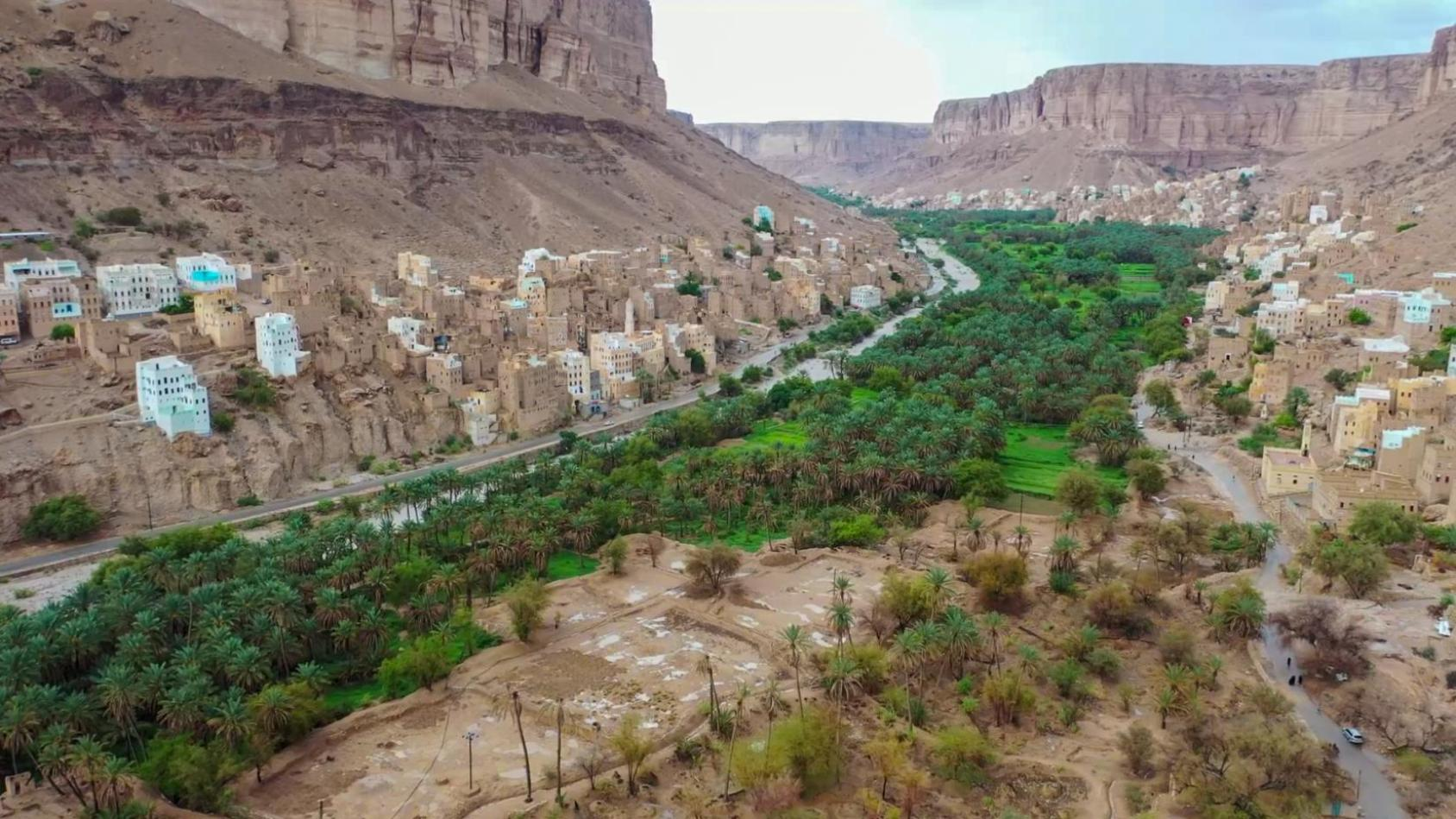
In the harsh deserts of southern Arabia, survival depended on mastering water. Long before the famous Marib Dam was constructed, early communities were already developing innovative irrigation systems.
These early engineers lived in the region of Yemen, where seasonal monsoon rains created sudden floods in normally dry valleys known as wadis.
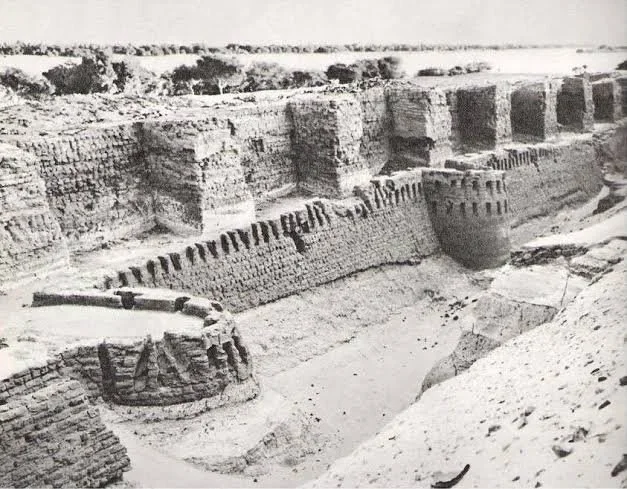
Instead of letting this water vanish into the desert, ancient farmers built stone channels, diversion walls, and small dams to guide the floodwaters into agricultural fields.
These systems captured water during brief rainy seasons and distributed it gradually throughout the year. Terraced fields prevented erosion while allowing crops such as barley, dates, and legumes to grow in otherwise barren terrain.
Over generations, irrigation networks expanded and became more complex. Eventually, they culminated in massive hydraulic projects like the Marib Dam, which supported one of the most prosperous civilizations in ancient Arabia.
These early irrigation pioneers demonstrated remarkable engineering skill, transforming desert landscapes into fertile agricultural zones and enabling long-lasting settlements in one of the world’s most challenging environments.