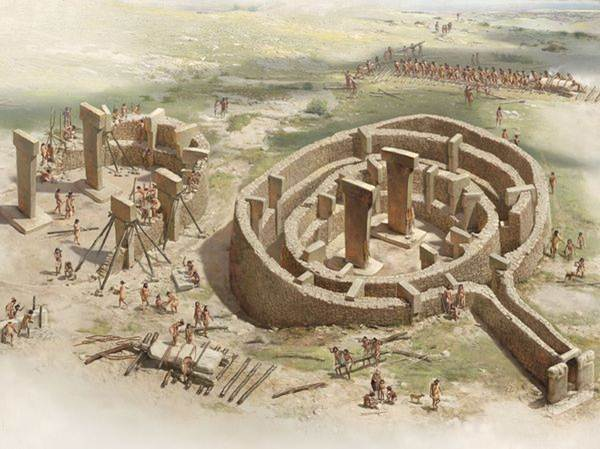
The monumental sanctuary of Göbekli Tepe stunned archaeologists when it was first excavated. Dating back over 11,000 years, it revealed that large ceremonial structures existed long before agriculture and cities.
Yet Göbekli Tepe was not alone.
Across southeastern Anatolia and northern Mesopotamia, archaeologists have identified a network of related Pre-Pottery Neolithic sites that appear to share similar architectural and symbolic traditions.
One of the most notable is Karahantepe, where excavations uncovered stone pillars carved with animals, human figures, and mysterious abstract symbols. These pillars resemble those at Göbekli Tepe but appear arranged in slightly different layouts, suggesting unique local rituals.
Another site, Nevali Çori, revealed an early temple structure with carved stone statues and communal buildings. The site was eventually submerged beneath a reservoir, but its discoveries helped confirm that ceremonial architecture was widespread during the Neolithic revolution.
These sanctuaries challenge earlier assumptions about the origins of civilization. Instead of farming villages gradually developing religion, evidence suggests the opposite may have occurred: large ritual gatherings might have motivated people to settle, cultivate crops, and organize labor.
The temples appear to have served as ceremonial centers where scattered hunter-gatherer groups gathered seasonally. Massive stone pillars weighing several tons were carved and erected using tools made of stone and bone.
The existence of multiple sanctuaries implies a shared cultural tradition that spread across the region—possibly one of humanity’s earliest religious networks.