• MAIN PAGE
  • LATEST NEWS
    • Lost Cities
    • Archaeology's Greatest Finds
    • Underwater Discoveries
    • Greatest Inventions
    • Studies
    • Blog
  • PHILOSOPHY
  • HISTORY
  • RELIGIONS
    • Africa
    • Anatolia
    • Arabian Peninsula
    • Balkan Region
    • China - East Asia
    • Europe
    • Eurasian Steppe
    • Levant
    • Mesopotamia
    • Oceania - SE Asia
    • Pre-Columbian Civilizations of America
    • Iranian Plateau - Central Asia
    • Indus Valley - South Asia
    • Japan
    • The Archaeologist Editor Group
    • Scientific Studies
    • Aegean Prehistory
    • Historical Period
    • Byzantine Middle Ages
    • Predynastic Period
    • Dynastic Period
    • Greco-Roman Egypt
  • Rome
  • PALEONTOLOGY
  • About us
Menu

The Archaeologist

  • MAIN PAGE
  • LATEST NEWS
  • DISCOVERIES
    • Lost Cities
    • Archaeology's Greatest Finds
    • Underwater Discoveries
    • Greatest Inventions
    • Studies
    • Blog
  • PHILOSOPHY
  • HISTORY
  • RELIGIONS
  • World Civilizations
    • Africa
    • Anatolia
    • Arabian Peninsula
    • Balkan Region
    • China - East Asia
    • Europe
    • Eurasian Steppe
    • Levant
    • Mesopotamia
    • Oceania - SE Asia
    • Pre-Columbian Civilizations of America
    • Iranian Plateau - Central Asia
    • Indus Valley - South Asia
    • Japan
    • The Archaeologist Editor Group
    • Scientific Studies
  • GREECE
    • Aegean Prehistory
    • Historical Period
    • Byzantine Middle Ages
  • Egypt
    • Predynastic Period
    • Dynastic Period
    • Greco-Roman Egypt
  • Rome
  • PALEONTOLOGY
  • About us

The Forgotten Bronze Age Kingdom of Arzawa

March 7, 2026

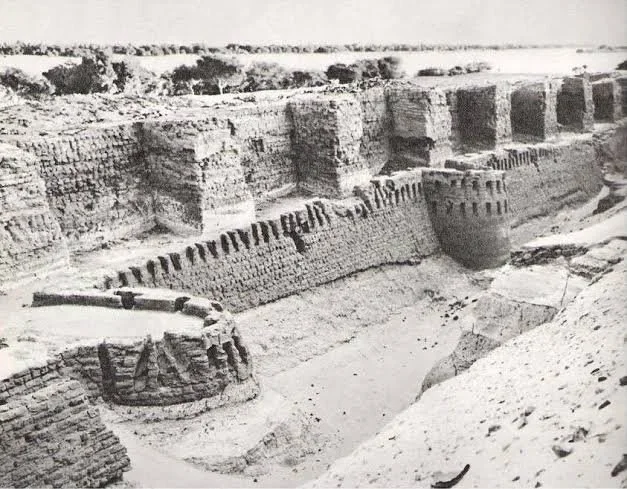
During the Late Bronze Age, the powerful Hittite Empire dominated much of Anatolia. But one of its greatest rivals was a mysterious kingdom known as Arzawa.

Located in western Anatolia near the Aegean coast, Arzawa controlled fertile lands and important trade routes linking inland Anatolia to Mediterranean ports. Its strategic position made it both wealthy and politically influential.

The kingdom appears frequently in diplomatic correspondence found at the Hittite capital of Hattusa. These tablets describe wars, alliances, and shifting power struggles between Arzawa and the Hittite kings.

At times, Arzawa even allied with foreign powers such as Ancient Egypt to counter Hittite influence.

Despite its importance, the precise location of Arzawa’s capital remains debated among archaeologists. Some scholars associate it with sites in western Turkey where Mycenaean Greek cultural influence has been discovered.

Eventually, the Hittites conquered the region and divided it into smaller administrative territories. Over time, Arzawa disappeared from historical records, leaving only fragments of its story preserved in clay tablets and scattered ruins.
← The First Desert Irrigation Systems of YemenThe Obsidian Trade of Early Mesoamerica →
Featured
Apr 21, 2026
Prehistoric Surgery: Evidence of Amputation and Healing 30,000 Years Ago
Apr 21, 2026
Read More →
Apr 21, 2026
image_2026-04-22_001057743.png
Apr 21, 2026
The Lost Legions of Varus: Finding the Site of the Teutoburg Forest Disaster
Apr 21, 2026
Read More →
Apr 21, 2026
image_2026-04-22_000948404.png
Apr 21, 2026
Ancient Cyber-Archaeology: Preserving War-Torn History with Laser Scanning
Apr 21, 2026
Read More →
Apr 21, 2026
image_2026-04-21_235424737.png
Apr 21, 2026
The Hanging Gardens of Babylon: Did They Exist, and Where Were They?
Apr 21, 2026
Read More →
Apr 21, 2026
image_2026-04-21_232635722.png
Apr 21, 2026
Roman Dodecahedrons: The Enigmatic Objects That Still Baffle Historians
Apr 21, 2026
Read More →
Apr 21, 2026
image_2026-04-21_230035737.png
Apr 21, 2026
With a weapon and a bundle of banknotes, the former weightlifter accused of the death of Myrto posed on social media, see photos
Apr 21, 2026
Read More →
Apr 21, 2026
read more

Powered by The archaeologist