Before the widespread use of metal armor, some ancient warriors protected themselves using materials from the natural world. One of the most fascinating examples is armor made from bone.
Though rarely preserved, archaeological discoveries reveal that bone plates were once shaped into protective gear.
Crafting Armor from Nature
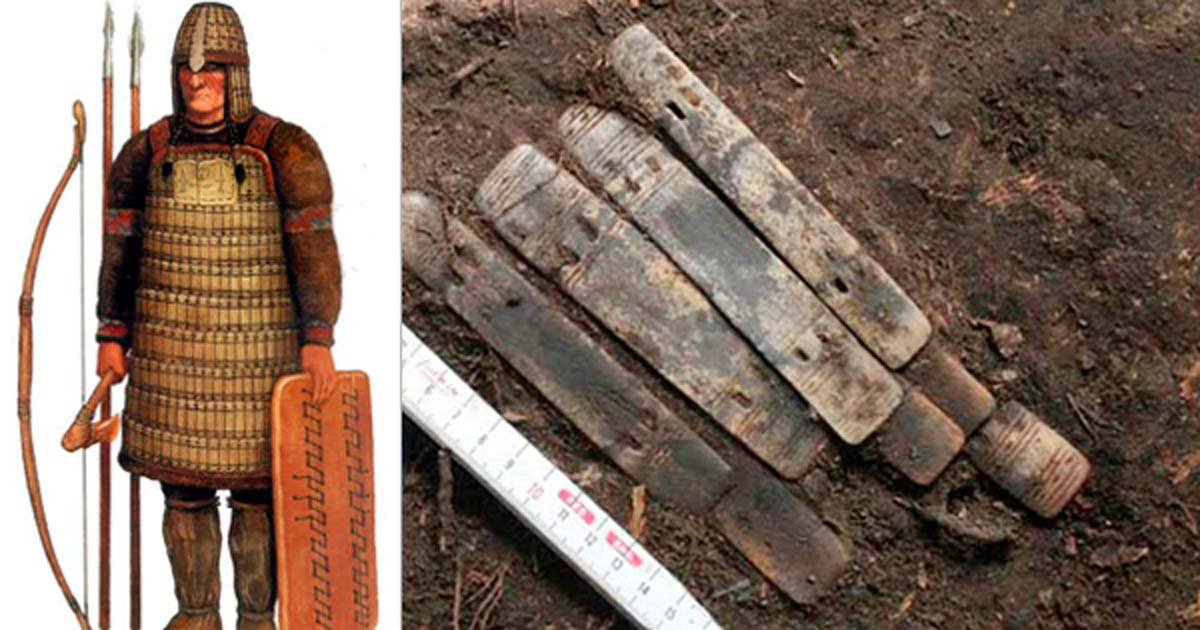
Bone is strong yet lightweight, making it suitable for defensive equipment. Hunters and warriors carved animal bones into flat plates, then stitched or tied them together with leather or sinew.
These plates could be attached to clothing or worn as layered protection.
Armor of the Arctic and Siberia
In Arctic regions, Indigenous groups crafted armor from whale bone, walrus ivory, or caribou bone. These materials were shaped into curved plates that overlapped like scales.
This design offered protection against arrows and spears while allowing mobility.
Early Composite Armor
Bone armor often functioned as part of a composite system, combined with leather, wood, or woven fibers. The result was flexible yet durable protection.
Transition to Metal
As metallurgy spread, bronze and later iron gradually replaced bone as the preferred armor material. Metal provided stronger and more reliable defense.
However, bone armor represents an important stage in the evolution of military technology.
Innovation from Necessity
The ancient makers of bone armor demonstrate remarkable ingenuity. Using materials available in their environment, they engineered practical solutions for survival and warfare.
Their creations remind us that technological innovation does not always begin with metal—it often begins with creativity and resourcefulness.