The Mystery of the Easter Island Statues: Red Pukao and Birdman Rituals
Easter Island, or Rapa Nui, is home to one of the most recognizable archaeological wonders in the world: the Moai. While the massive stone heads and torsos are famous, the island’s history involves complex layers of engineering and social evolution, specifically regarding the "hats" found on certain statues and the later transition to a radical new religious system.
1. The Red Pukao: The "Hats" of the Moai
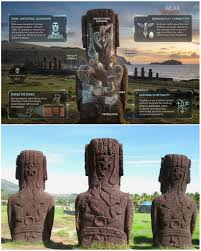
Many of the Moai were originally crowned with massive, cylindrical stones made of red scoria (a light volcanic rock) known as Pukao.
The Symbolic Meaning: Scholars believe Pukao represented the hair or topknots of the ancestors the Moai depicted. In Rapa Nui culture, the head was considered the seat of mana (supernatural power), and long hair was a sign of status and strength.
Engineering Feat: These red cylinders can weigh up to 13 tons. Because the red scoria was quarried from a different location (Puna Pau) than the Moai themselves, they had to be transported and hoisted onto the heads of statues that were already standing up to 33 feet tall.
The "Parbuckling" Theory: Recent research suggests the Pukao were not lifted vertically but rolled up massive ramps using a technique called parbuckling—wrapping a rope around the cylinder and pulling from the top of the ramp to minimize the force needed.
2. The Collapse and the "Huri Moai"
By the 18th century, the era of Moai construction came to a violent end. This period, known as Huri Moai (the "overturning of the statues"), saw the islanders topple the monuments that their ancestors had spent centuries carving.
Environmental Strain: Traditional theories suggest that deforestation and overpopulation led to resource scarcity and tribal warfare.
Spiritual Disillusionment: As the statues failed to protect the islanders from ecological decline, rival clans began toppled each other's Moai to "break" the mana of their enemies. Most statues were found face-down, often with their necks broken by the fall.
3. The Birdman Cult (Tangata Manu)
As the ancestor worship associated with the Moai faded, a new, more competitive social order emerged: the Birdman Cult. Based in the stone village of Orongo, perched on the rim of the Rano Kau volcano, this ritual determined which clan would rule the island for the coming year.
The Competition: Every spring, the most athletic men (representing their chiefs) would climb down the 1,000-foot sea cliffs of Orongo and swim through shark-infested waters to the tiny islet of Moto Nui.
The Goal: The contestants had to find the first egg of the Sooty Tern (a migratory bird), swim back, and climb the cliffs without breaking the egg.
The Victor: The man who presented the intact egg to his chief was named the Tangata Manu (Birdman). For the next year, his clan gained exclusive rights to the island's limited resources.
4. Petroglyphs and Iconography
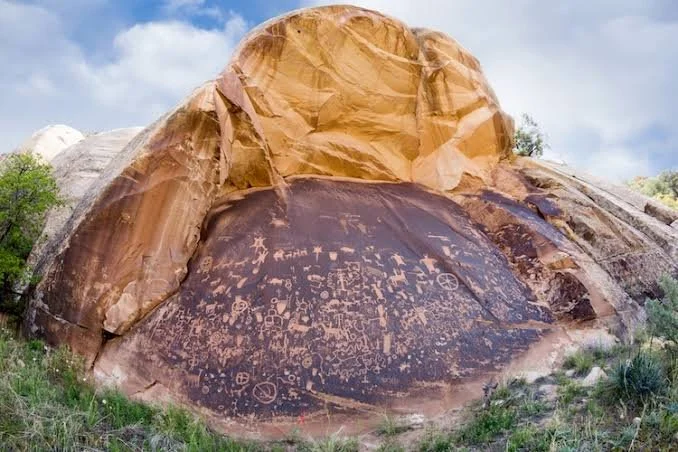
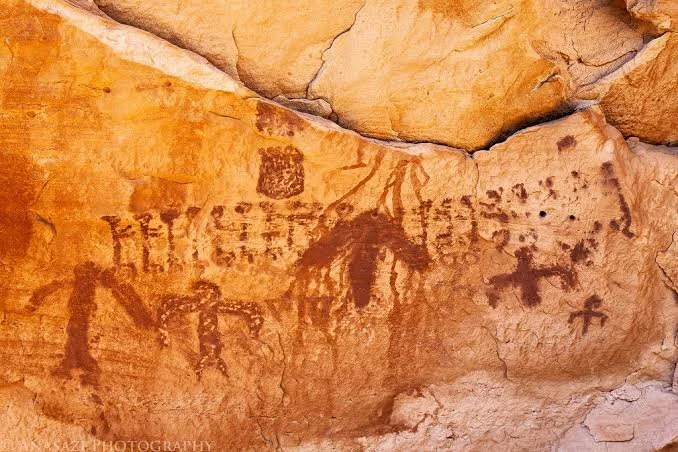
The shift from the Moai to the Birdman Cult is recorded in the island's rich rock art. At Orongo, hundreds of petroglyphs depict figures with human bodies and bird heads, often clutching eggs.
Makemake: This new religion centered on the creator god, Makemake, who was believed to have brought the birds to the island.
Transition of Power: The Birdman rituals replaced a system of inherited power with one based on physical prowess and divine favor, a necessary adaptation for a society struggling to survive on a depleted landscape.