A Civilization Hidden in Stone
In the harsh deserts of the Middle East, where survival itself is a challenge, an ancient civilization achieved something extraordinary. The Nabataeans—skilled traders, engineers, and architects—carved an entire city into rock, creating one of the most breathtaking archaeological sites in the world: Petra.
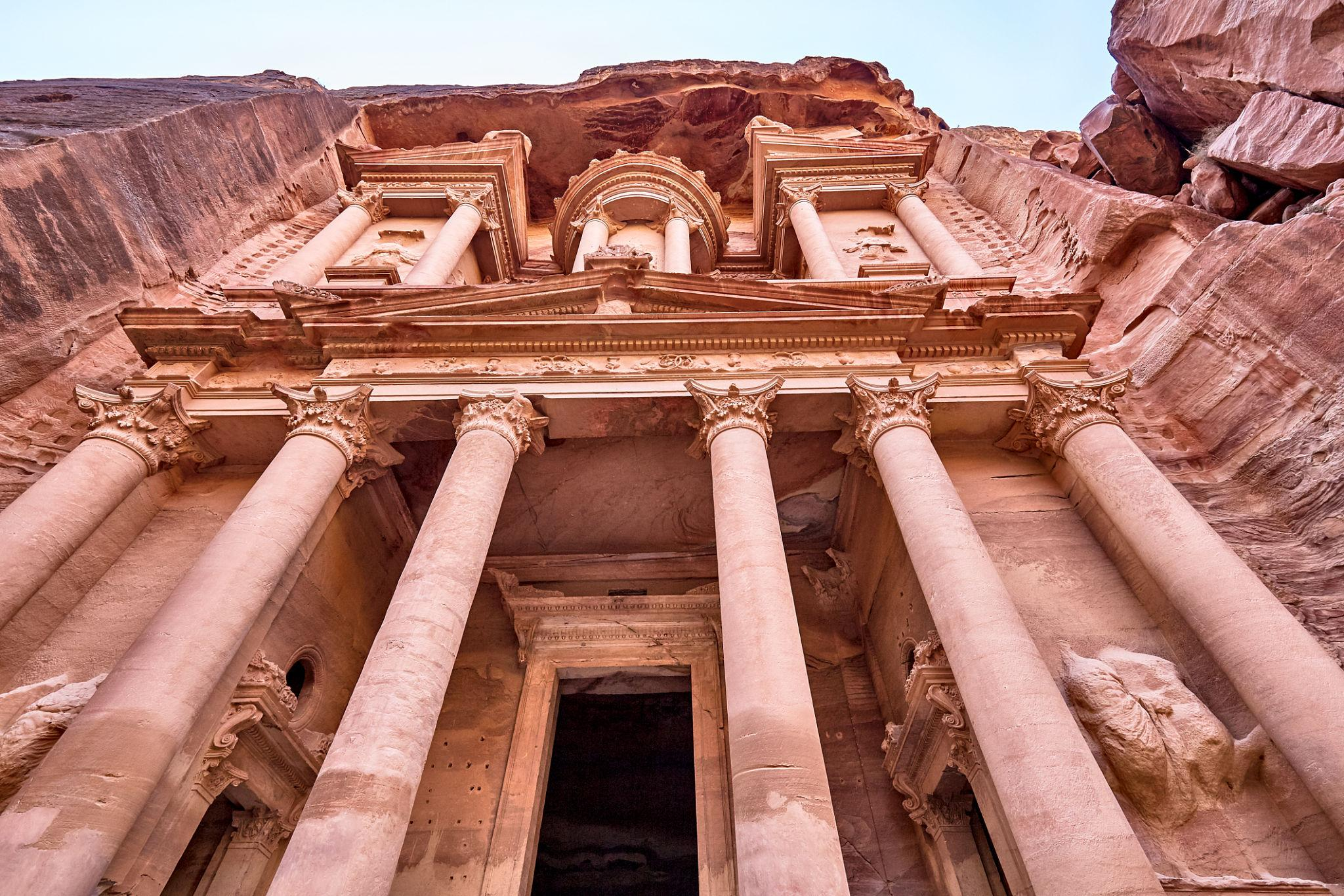
Often called the “Rose-Red City” because of the color of its sandstone cliffs, Petra stands as a testament to human ingenuity in one of the most unforgiving environments on Earth.
Who Were the Nabataeans?
The Nabataeans were an ancient Arab people who rose to power around the 4th century BCE. Positioned strategically between major civilizations—including Egypt, Mesopotamia, and the Mediterranean—they became masters of trade.
They controlled key routes that transported:
Spices from Arabia and India
Incense and perfumes
Precious goods like silk and metals
Their wealth allowed them to build monumental structures and develop advanced technologies.
Engineering a City in the Desert
What makes Petra truly remarkable is not just its beauty—but its engineering brilliance.
Water: The Key to Survival
In a region with little rainfall, the Nabataeans developed an advanced system to collect, store, and distribute water.
Their innovations included:
Rock-cut channels and pipelines
Underground cisterns to store rainwater
Dams to prevent flooding
This system allowed Petra to support thousands of inhabitants in a desert environment.
Architecture Carved from Rock
Instead of building upward, the Nabataeans carved their city directly into cliffs. Structures like the famous Treasury (Al-Khazneh) and the Monastery were sculpted with incredible precision.
These buildings combined influences from:
Greek architecture
Egyptian styles
Local traditions
The result was a unique artistic identity that reflected Petra’s role as a cultural crossroads.
A Thriving Trade Empire
Petra was more than a city—it was a commercial hub. Caravans passed through regularly, bringing goods and ideas from distant lands.
Markets, storage areas, and caravanserais supported this constant flow of trade. The Nabataeans became wealthy and influential, shaping the economy of the region.
Decline and Rediscovery
Petra’s importance declined after Roman annexation and changes in trade routes. Over time, earthquakes and neglect led to its abandonment.
For centuries, the city remained hidden from the outside world—until it was rediscovered in 1812.
A Lasting Legacy
Today, Petra is one of the most iconic archaeological sites in the world. It stands as proof that even in the most extreme environments, human creativity and determination can flourish.
The Nabataeans were not just survivors of the desert—they were masters of it.