Before written language, before formal religion, there was movement. Dance is one of humanity’s oldest forms of expression. Archaeological and anthropological evidence suggests that rhythmic movement played a central role in storytelling, worship, war preparation, and healing rituals.
Dance was not entertainment alone—it was communication.
Dance as Storytelling
Early human societies relied on oral tradition. Gesture and movement enhanced spoken narratives, making stories vivid and memorable. Cave art depicting human figures in dynamic poses suggests that dance-like movement existed tens of thousands of years ago.
Movement allowed communities to reenact hunts, victories, or mythical events. Through dance, history was embodied.
Worship and Cosmic Connection
Ritual dance often accompanied spiritual ceremonies. At ceremonial centers like Göbekli Tepe, circular gathering spaces may have hosted rhythmic group movement. The arrangement of pillars suggests communal activity, possibly including chanting and synchronized motion.
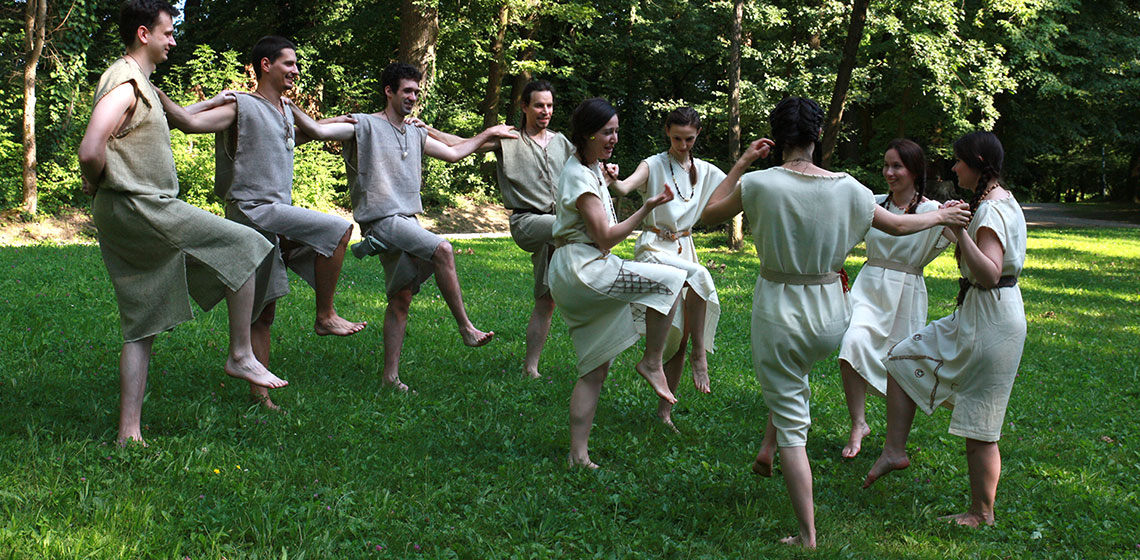
Dance created unity. Moving together fostered shared emotional experiences, reinforcing belief systems.
Preparing for War
In many cultures, pre-battle dances built courage and group identity. Stamping feet, chanting, and coordinated gestures signaled strength to allies and enemies alike.
These rituals also helped regulate fear. Rhythmic movement calms the nervous system and channels adrenaline into controlled action.
Healing and Trance
Shamanic traditions across the world use repetitive dance to induce trance states. Rapid spinning, drumming, and swaying can alter consciousness, creating visions or spiritual insight.
Dance became a bridge between physical and spiritual realms.
Why Dance Endures
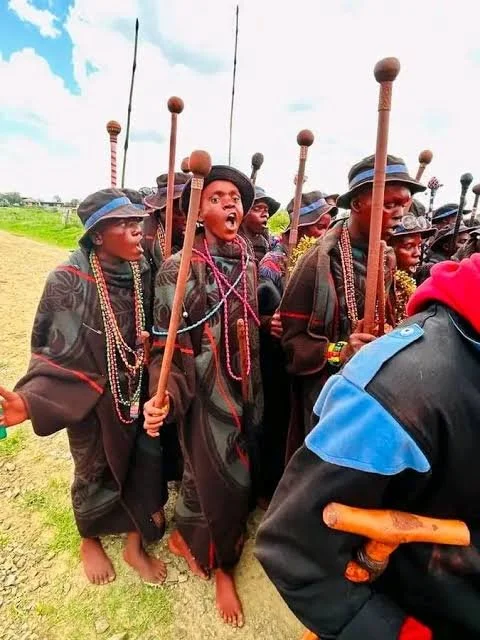
Even today, ceremonial dance remains central to many cultures. Its roots stretch deep into prehistory.
The oldest dance rituals remind us that the human body itself was one of our first sacred instruments. Through movement, early communities expressed identity, belief, and belonging.