• MAIN PAGE
  • LATEST NEWS
    • Lost Cities
    • Archaeology's Greatest Finds
    • Underwater Discoveries
    • Greatest Inventions
    • Studies
    • Blog
  • PHILOSOPHY
  • HISTORY
  • RELIGIONS
    • Africa
    • Anatolia
    • Arabian Peninsula
    • Balkan Region
    • China - East Asia
    • Europe
    • Eurasian Steppe
    • Levant
    • Mesopotamia
    • Oceania - SE Asia
    • Pre-Columbian Civilizations of America
    • Iranian Plateau - Central Asia
    • Indus Valley - South Asia
    • Japan
    • The Archaeologist Editor Group
    • Scientific Studies
    • Aegean Prehistory
    • Historical Period
    • Byzantine Middle Ages
    • Predynastic Period
    • Dynastic Period
    • Greco-Roman Egypt
  • Rome
  • PALEONTOLOGY
  • About us
Menu

The Archaeologist

  • MAIN PAGE
  • LATEST NEWS
  • DISCOVERIES
    • Lost Cities
    • Archaeology's Greatest Finds
    • Underwater Discoveries
    • Greatest Inventions
    • Studies
    • Blog
  • PHILOSOPHY
  • HISTORY
  • RELIGIONS
  • World Civilizations
    • Africa
    • Anatolia
    • Arabian Peninsula
    • Balkan Region
    • China - East Asia
    • Europe
    • Eurasian Steppe
    • Levant
    • Mesopotamia
    • Oceania - SE Asia
    • Pre-Columbian Civilizations of America
    • Iranian Plateau - Central Asia
    • Indus Valley - South Asia
    • Japan
    • The Archaeologist Editor Group
    • Scientific Studies
  • GREECE
    • Aegean Prehistory
    • Historical Period
    • Byzantine Middle Ages
  • Egypt
    • Predynastic Period
    • Dynastic Period
    • Greco-Roman Egypt
  • Rome
  • PALEONTOLOGY
  • About us
No results found

The Oldest Metallurgists: Masters of Fire and Ore

March 17, 2026

The Discovery That Changed Civilization

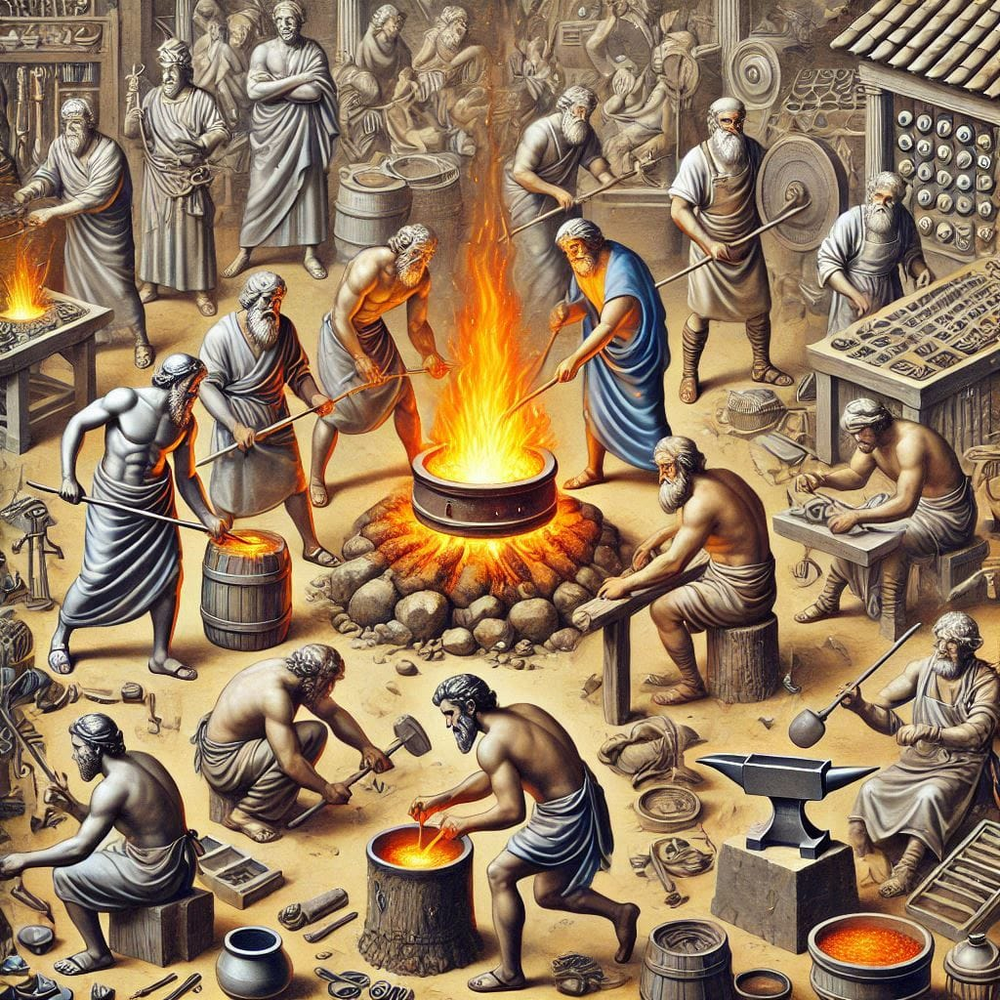
Long before large cities or empires appeared, ancient people discovered something extraordinary: certain rocks could be transformed into metal through fire. This discovery gave birth to metallurgy—the art and science of extracting and shaping metals.

Early metalworkers became masters of fire and ore, developing skills that would reshape tools, weapons, and entire societies.

From Stone to Metal

The earliest known metal use involved naturally occurring metals such as copper and gold. Unlike stone, these materials could be shaped by heating and hammering.

Over time, ancient craftspeople learned that certain ores could be smelted in furnaces to extract metal. This process required high temperatures and careful control of fire, making metallurgy both difficult and highly respected.

Early Techniques and Tools

Ancient metallurgists developed several techniques that allowed them to produce useful objects.

They used clay furnaces to reach high temperatures and stone or ceramic molds to shape molten metal. Tools such as hammers and anvils helped refine metal objects into tools, ornaments, and weapons.

These early innovations marked a major technological breakthrough in human history.

The Rise of Metalworking Specialists

Because metallurgy required specialized knowledge, metalworkers often held important positions in their communities.

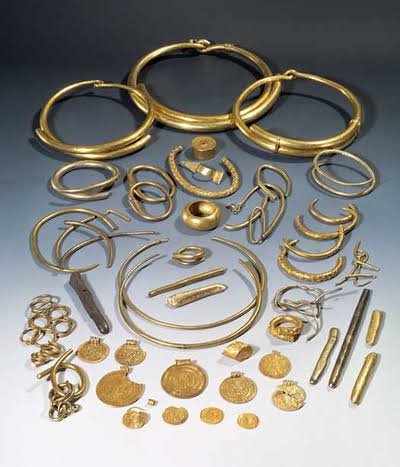
Their skills allowed them to produce stronger farming tools, sharper weapons, and decorative objects that symbolized wealth and power.

In some cultures, metalworking was even associated with spiritual or magical abilities because of its connection to fire and transformation.

Transforming Ancient Societies

The introduction of metal tools dramatically improved agriculture, construction, and warfare.

Stronger tools made farming more efficient, while metal weapons changed the nature of conflict between communities.

Metallurgy also encouraged trade, as valuable metals and crafted goods were exchanged across long distances.

The Legacy of Early Metallurgists

The first metalworkers laid the technological foundation for later civilizations. Their innovations eventually led to the Bronze Age and the Iron Age—periods that defined major stages of human development.

Through their mastery of fire and materials, ancient metallurgists helped shape the path of civilization itself.

← Ancient Cosmic Myths of Creation and DestructionAncient DNA Reveals Ice Age Forests in the Lost World of Doggerland →
Featured
image_2026-04-29_212431481.png
Apr 30, 2026
The Tomb of the Silver Shroud: Archaeology in Jerusalem’s Hinnom Valley
Apr 30, 2026
Read More →
Apr 30, 2026
image_2026-04-29_212402483.png
Apr 30, 2026
Ancient Chinese Oracle Bones: The Origins of Writing in East Asia
Apr 30, 2026
Read More →
Apr 30, 2026
image_2026-04-29_212200516.png
Apr 30, 2026
The Elgin Marbles Debate: The History of the Sculptures’ Journey to London
Apr 30, 2026
Read More →
Apr 30, 2026
image_2026-04-29_212122580.png
Apr 30, 2026
Roman Roads: The Engineering Marvel That Bound an Empire
Apr 30, 2026
Read More →
Apr 30, 2026
image_2026-04-29_212047360.png
Apr 30, 2026
The Cahokia Mounds: The Rise and Fall of a Mississippi Metropolis
Apr 30, 2026
Read More →
Apr 30, 2026
image_2026-04-29_212013827.png
Apr 30, 2026
Medieval Monasteries: The Centers of Knowledge and Agriculture
Apr 30, 2026
Read More →
Apr 30, 2026
read more

Powered by The archaeologist