A Cultural Debate That Refuses to Fade
Few heritage disputes in the world carry as much emotional, political, and cultural weight as the debate over the Parthenon Marbles. These sculptures, originally part of the Parthenon temple in Athens, have been housed in the British Museum since the early 19th century, where they remain one of its most visited collections.
In recent years, however, momentum has been building for their return to Greece. As 2026 approaches, many cultural analysts believe the conversation may be entering its most decisive phase yet.
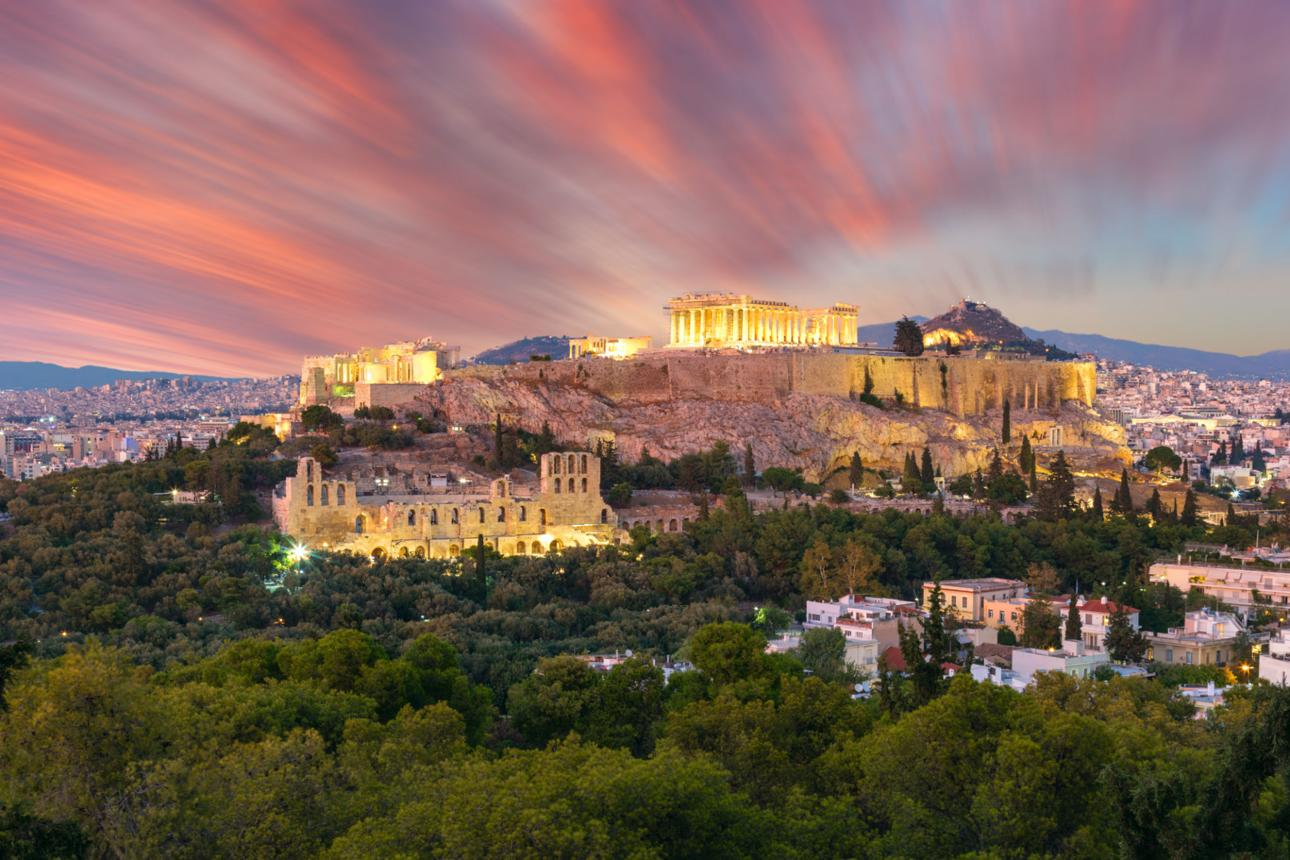
The Origins of the Dispute
The Parthenon Marbles were removed from the Acropolis in Athens in the early 1800s by Lord Elgin, then British ambassador to the Ottoman Empire. He later transported them to Britain, where they were sold to the British Museum.
Greece has long argued that the sculptures were taken under questionable circumstances during a period of foreign occupation. Britain, on the other hand, has maintained that the acquisition was legal under the rules of the time.
This disagreement has shaped over two centuries of debate.
Why 2026 Is Seen as a Turning Point
Several factors are converging that may make 2026 a pivotal year:
Increased diplomatic dialogue between Greece and the UK
Growing international support for cultural repatriation
Advances in museum collaboration agreements
Rising public interest in heritage justice
Cultural institutions are also under pressure to reassess colonial-era acquisitions, making this an especially sensitive moment.
The Case for Return
Supporters of repatriation argue that the marbles belong in their original architectural and cultural context: the Acropolis in Athens. The newly built Acropolis Museum was specifically designed with space reserved for their return, offering a modern, climate-controlled environment.
They argue that reunification would:
Restore the integrity of the Parthenon narrative
Strengthen global cultural cooperation
Acknowledge historical imbalances in museum collecting
The Case for Retention
Opponents of return argue that the marbles are part of a global museum collection and accessible to millions in London. They also claim that major museums serve as guardians of world heritage, preserving artifacts beyond national boundaries.
This perspective emphasizes the idea of a “universal museum,” where history is shared rather than geographically restricted.
Cultural Identity and Global Responsibility
At the heart of the debate lies a deeper question: who owns the past?
For Greece, the marbles are an essential part of national identity and cultural continuity. For Britain, they represent a shared global heritage accessible to international audiences.
This tension reflects broader discussions in archaeology and museology about ownership, ethics, and cultural stewardship.
The Role of Public Opinion
Public sentiment has shifted significantly in recent years. Surveys across Europe and beyond show growing support for the return of disputed artifacts to their countries of origin.
Social media and global advocacy campaigns have amplified the issue, turning what was once a scholarly debate into a worldwide conversation.
What Happens Next?
While no final agreement has been reached, negotiations between institutions continue. Any potential resolution would likely involve long-term loans, shared exhibitions, or formal repatriation agreements.
As 2026 approaches, the question is no longer whether the debate will continue—but whether a breakthrough is finally within reach.
A Symbol Beyond Stone
The Parthenon Marbles are more than ancient sculptures. They represent how modern societies interpret history, ownership, and cultural memory.
Their future may redefine how the world manages its shared heritage.