Rethinking a Familiar Narrative
For centuries, history books have taught that Christopher Columbus “discovered” the Americas in 1492. However, archaeological and historical research increasingly shows that this narrative is incomplete.
Long before Columbus arrived, multiple groups may have reached the Americas through migration, exploration, or accidental voyages.
The Viking Presence in North America
One of the strongest pieces of evidence comes from Norse exploration. Settlements at L'Anse aux Meadows in Newfoundland confirm that Norse explorers reached North America around 1,000 CE.
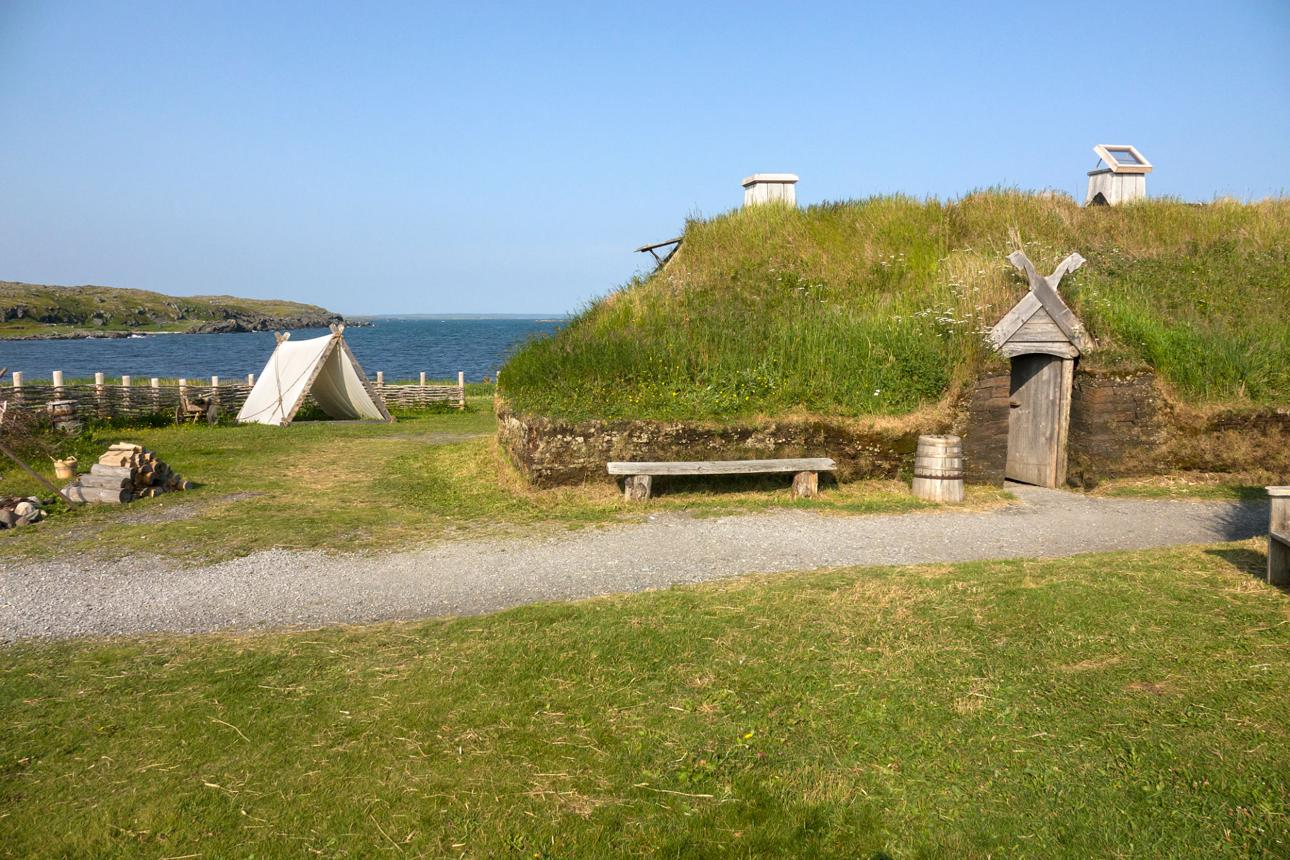
These findings demonstrate that Europeans reached the continent nearly 500 years before Columbus.
Possible Transoceanic Contacts
Beyond the Vikings, some researchers propose other pre-Columbian contacts, though these remain debated:
Polynesian navigation across the Pacific
Possible African transatlantic voyages
Ancient drift or accidental crossings
While evidence varies in strength, these theories challenge the idea of a single “discovery moment.”
Indigenous Civilizations Were Already Thriving
It is important to emphasize that the Americas were already home to complex societies long before European arrival.
Civilizations such as the Maya, Aztec, and Inca had:
Advanced agriculture
Urban planning
Written systems and astronomy
This means the concept of “discovery” is itself misleading, as millions of people already inhabited the continents.
The Problem with “Discovery”
Modern historians increasingly argue that the word “discovery” reflects a Eurocentric perspective. It overlooks the fact that the Americas were not empty lands waiting to be found.
Instead, scholars prefer terms like:
“Contact”
“Encounter”
“Transoceanic interaction”
These terms better reflect historical complexity.
Archaeology and Evidence
Evidence for pre-Columbian voyages includes:
Norse settlement remains
Botanical traces suggesting plant movement
Oral histories from Indigenous communities
Experimental navigation studies
However, many claims remain controversial and require further verification.
A More Complex Global History
The growing body of evidence suggests that ancient peoples were more mobile and capable than previously believed. Ocean travel, trade, and exploration may have been more widespread than traditionally assumed.
Redefining Global Origins
Rather than a single discovery, the history of the Americas is increasingly seen as a series of interactions between diverse peoples over thousands of years.
A History Still Being Written
As new archaeological discoveries emerge, our understanding of early global contact continues to evolve. What remains clear is that human history is far more interconnected than once thought.