Transforming Identity Through Masks
Masks have been used by humans for thousands of years as powerful tools of transformation. In early civilizations, wearing a mask allowed individuals to take on new identities—becoming gods, spirits, ancestors, or symbolic figures.
This transformation was not just physical but deeply spiritual, connecting the wearer to forces beyond the everyday world.
Materials and Design
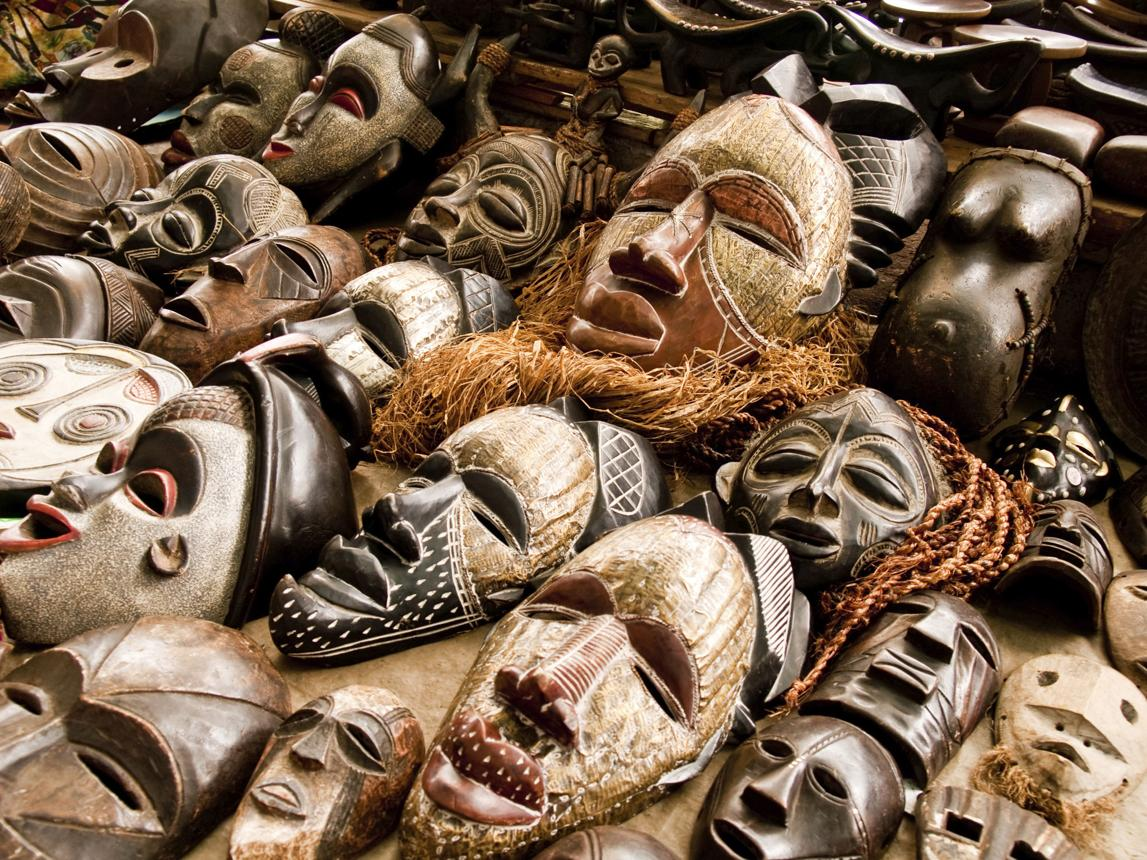
Masks were crafted from materials such as wood, clay, bone, and fabric. They were often decorated with paint, feathers, or carvings, each element carrying symbolic meaning.
The design of a mask could represent specific traits, such as strength, wisdom, or protection.
Spiritual and Cultural Roles
Masks were used in a wide range of ceremonies, including religious rituals, dances, and burial practices. They allowed participants to communicate with spiritual realms or represent important figures.
In some traditions, masks were believed to hold power, serving as a bridge between humans and the divine.
Social and Community Functions
Mask rituals often involved the entire community. They reinforced shared beliefs, cultural identity, and social structure.
Enduring Tradition
Many cultures continue to use masks today, preserving ancient traditions and meanings.