How Fragrance Shaped Worship, Burial Traditions, and Early Medicine
Across ancient cultures, scents carried deep symbolic meaning. Perfumes, oils, and incense were used not only for beauty but also for religious ceremonies, healing practices, and honoring the dead.
Sacred Incense in Temples
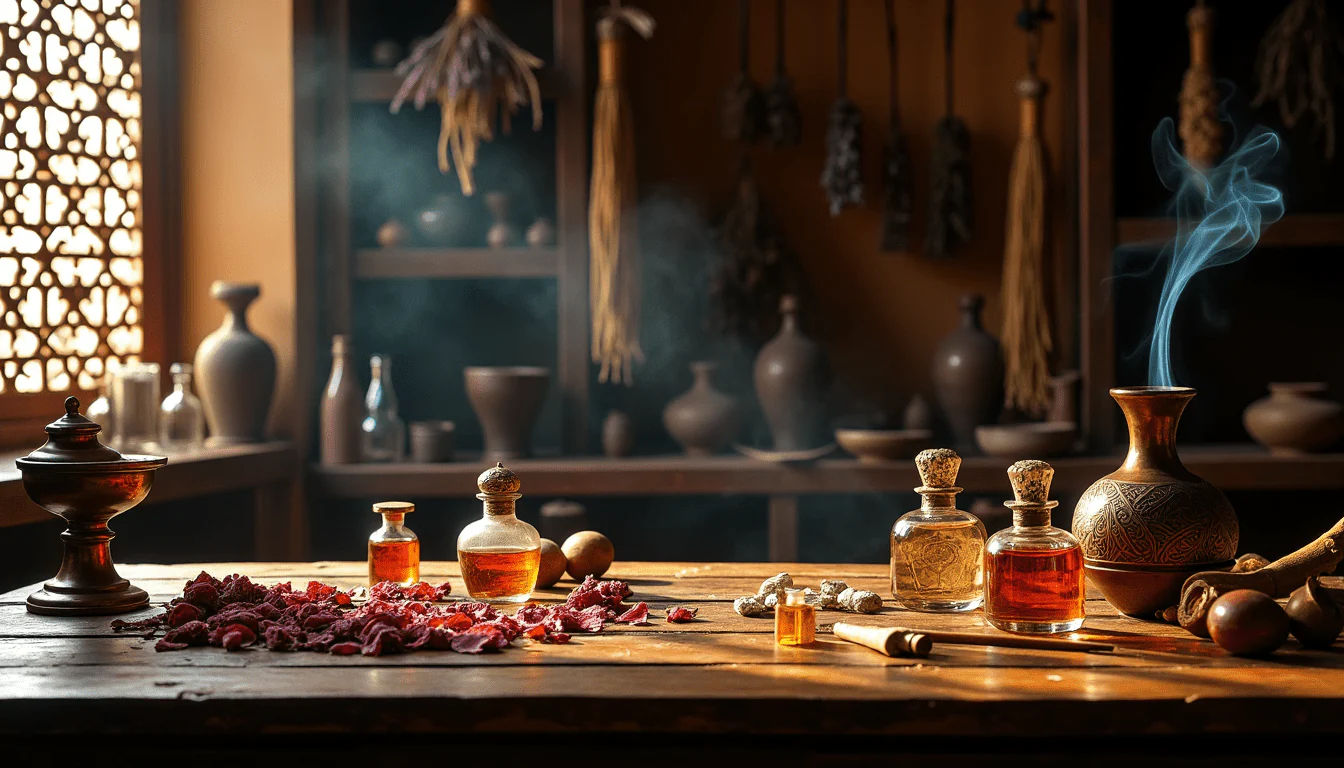
Burning aromatic substances created an atmosphere believed to attract divine presence. Egyptians used frankincense and myrrh in temple rituals, while Greeks and Romans burned herbs to accompany prayers. Rising smoke symbolized messages ascending to the heavens.
Burial Practices and the Afterlife
Perfumed oils played a major role in preparing bodies for burial. These scents masked odors, purified the deceased, and signified respect. Many tombs contain jars of fragrant oils, showing how important scents were for ensuring a peaceful journey into the afterlife.
Early Healing and Medicine
Ancient healers believed fragrances had therapeutic properties. Oils made from lavender, rose, cedar, and herbs were used to ease pain, treat wounds, or calm the mind. These practices laid early foundations for aromatherapy.