Tracing the Evolution of One of History’s Most Famous Myths
The Holy Grail is one of Western culture’s most enduring symbols, appearing in myth, literature, religion, and modern storytelling. But its origins stretch far beyond medieval knights.
Celtic Roots
Long before the Grail became a Christian relic, Celtic myths told of magical cauldrons and cups that provided endless nourishment or mystical healing. These early legends may have inspired later versions of the Grail.
Medieval Christian Transformations
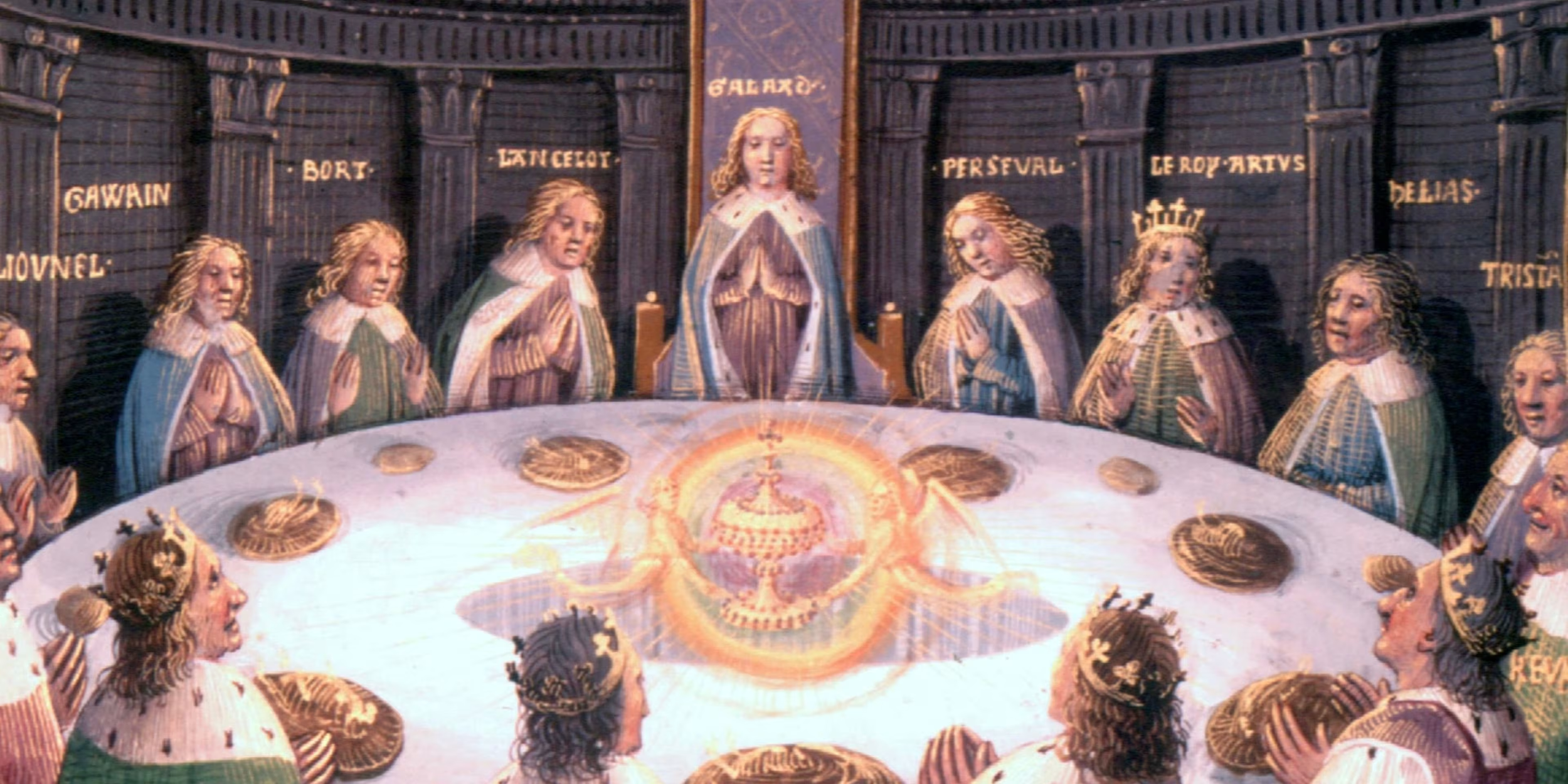
By the Middle Ages, writers connected the Grail to the life of Jesus—portraying it as the cup from the Last Supper or the vessel that caught his blood at the Crucifixion. This Christian reinterpretation turned the Grail into a holy object that symbolized purity, faith, and divine grace.
Knights in Arthurian legends embarked on quests to find it, transforming the Grail into a symbol of spiritual perfection.
Cultural Legacy
The Grail remains powerful today because it blends mystery, spirituality, and the human desire for transcendence. Whether viewed as a real object or a metaphor for enlightenment, it continues to inspire new interpretations across literature, film, and art.