• MAIN PAGE
  • LATEST NEWS
    • Lost Cities
    • Archaeology's Greatest Finds
    • Underwater Discoveries
    • Greatest Inventions
    • Studies
    • Blog
  • PHILOSOPHY
  • HISTORY
  • RELIGIONS
    • Africa
    • Anatolia
    • Arabian Peninsula
    • Balkan Region
    • China - East Asia
    • Europe
    • Eurasian Steppe
    • Levant
    • Mesopotamia
    • Oceania - SE Asia
    • Pre-Columbian Civilizations of America
    • Iranian Plateau - Central Asia
    • Indus Valley - South Asia
    • Japan
    • The Archaeologist Editor Group
    • Scientific Studies
    • Aegean Prehistory
    • Historical Period
    • Byzantine Middle Ages
    • Predynastic Period
    • Dynastic Period
    • Greco-Roman Egypt
  • Rome
  • PALEONTOLOGY
  • About us
Menu

The Archaeologist

  • MAIN PAGE
  • LATEST NEWS
  • DISCOVERIES
    • Lost Cities
    • Archaeology's Greatest Finds
    • Underwater Discoveries
    • Greatest Inventions
    • Studies
    • Blog
  • PHILOSOPHY
  • HISTORY
  • RELIGIONS
  • World Civilizations
    • Africa
    • Anatolia
    • Arabian Peninsula
    • Balkan Region
    • China - East Asia
    • Europe
    • Eurasian Steppe
    • Levant
    • Mesopotamia
    • Oceania - SE Asia
    • Pre-Columbian Civilizations of America
    • Iranian Plateau - Central Asia
    • Indus Valley - South Asia
    • Japan
    • The Archaeologist Editor Group
    • Scientific Studies
  • GREECE
    • Aegean Prehistory
    • Historical Period
    • Byzantine Middle Ages
  • Egypt
    • Predynastic Period
    • Dynastic Period
    • Greco-Roman Egypt
  • Rome
  • PALEONTOLOGY
  • About us

The Role of Sacred Geometry in Ancient Temples

December 4, 2025

How Geometric Patterns Shaped Architecture and Belief

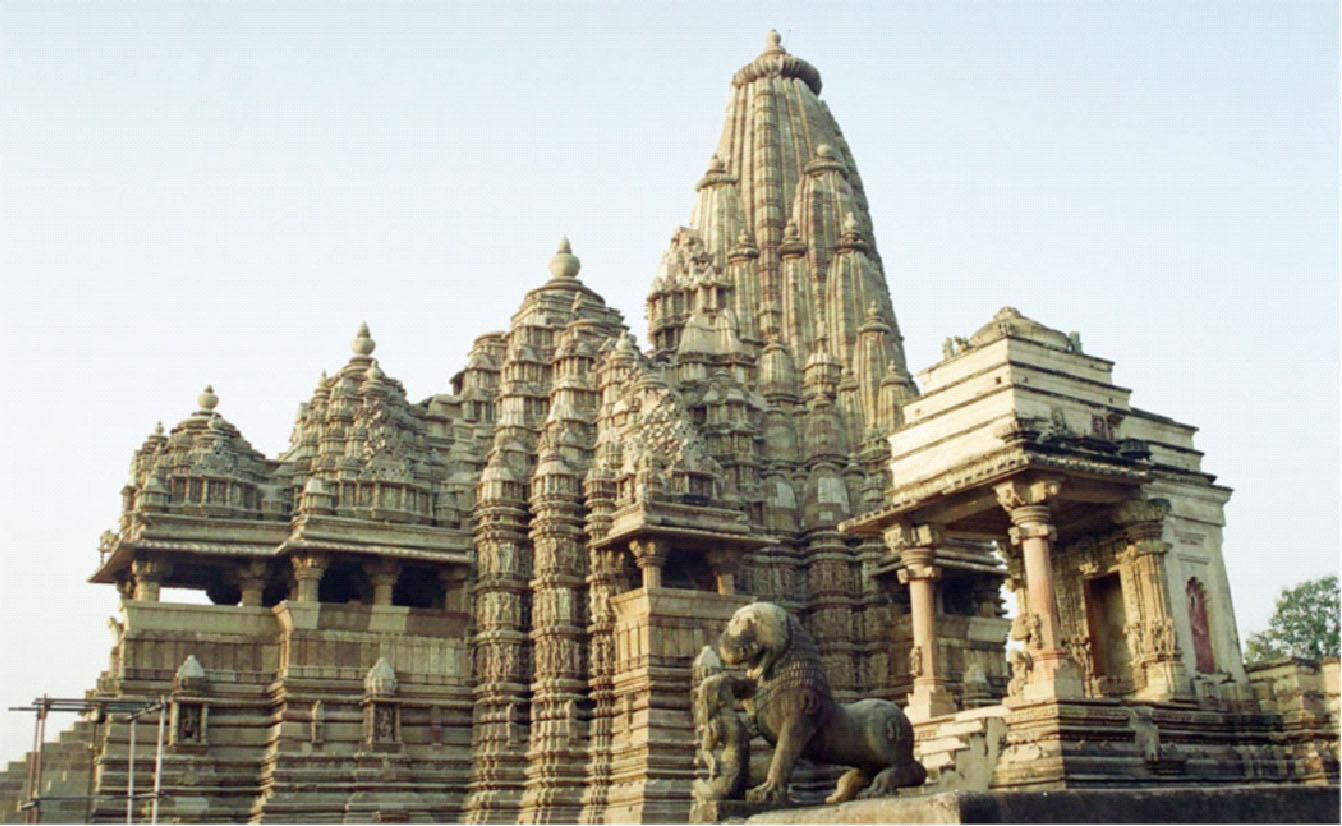
Sacred geometry involves using shapes and proportions to symbolize cosmic order. Ancient temples and monuments frequently incorporated circles, triangles, spirals, and golden ratios to create spaces of spiritual and aesthetic significance.

Designs with Meaning
Geometric patterns were not purely decorative—they symbolized balance, harmony, and connection to the divine. Egyptian pyramids aligned with stars, while Greek temples used precise ratios to achieve symmetry and proportion.

Spiritual and Ritual Functions
Sacred geometry guided processions, altars, and meditation spaces, reinforcing the idea that the built environment mirrored celestial and spiritual order. The integration of math and belief in temple design underscores the sophistication of ancient architectural thought.

Cultural Continuity
These principles appear worldwide, from Indian mandalas to European cathedrals, showing a persistent human desire to link spatial harmony with spiritual meaning.

← The Oldest Known Surgical Procedures in HistoryThe Lost City of Helike: The Real Atlantis of Greece →
Featured
image_2025-12-04_225351242.png
Dec 4, 2025
The Construction Techniques of Ancient Megaliths
Dec 4, 2025
Read More →
Dec 4, 2025
image_2025-12-04_225310269.png
Dec 4, 2025
The Mysterious Handprints in Ancient Caves
Dec 4, 2025
Read More →
Dec 4, 2025
image_2025-12-04_224759090.png
Dec 4, 2025
The Role of Sacred Trees in Ancient Religions
Dec 4, 2025
Read More →
Dec 4, 2025
image_2025-12-04_224648150.png
Dec 4, 2025
The Lost Language of the Indus Valley Civilization
Dec 4, 2025
Read More →
Dec 4, 2025
image_2025-12-04_224539650.png
Dec 4, 2025
The Ancient Cult of the Serpent Across Civilizations
Dec 4, 2025
Read More →
Dec 4, 2025
image_2025-12-04_223446946.png
Dec 4, 2025
The Role of Astrology in the Rise and Fall of Empires
Dec 4, 2025
Read More →
Dec 4, 2025
read more

Powered by The archaeologist