• MAIN PAGE
  • LATEST NEWS
    • Lost Cities
    • Archaeology's Greatest Finds
    • Underwater Discoveries
    • Greatest Inventions
    • Studies
    • Blog
  • PHILOSOPHY
  • HISTORY
  • RELIGIONS
    • Africa
    • Anatolia
    • Arabian Peninsula
    • Balkan Region
    • China - East Asia
    • Europe
    • Eurasian Steppe
    • Levant
    • Mesopotamia
    • Oceania - SE Asia
    • Pre-Columbian Civilizations of America
    • Iranian Plateau - Central Asia
    • Indus Valley - South Asia
    • Japan
    • The Archaeologist Editor Group
    • Scientific Studies
    • Aegean Prehistory
    • Historical Period
    • Byzantine Middle Ages
    • Predynastic Period
    • Dynastic Period
    • Greco-Roman Egypt
  • Rome
  • PALEONTOLOGY
  • About us
Menu

The Archaeologist

  • MAIN PAGE
  • LATEST NEWS
  • DISCOVERIES
    • Lost Cities
    • Archaeology's Greatest Finds
    • Underwater Discoveries
    • Greatest Inventions
    • Studies
    • Blog
  • PHILOSOPHY
  • HISTORY
  • RELIGIONS
  • World Civilizations
    • Africa
    • Anatolia
    • Arabian Peninsula
    • Balkan Region
    • China - East Asia
    • Europe
    • Eurasian Steppe
    • Levant
    • Mesopotamia
    • Oceania - SE Asia
    • Pre-Columbian Civilizations of America
    • Iranian Plateau - Central Asia
    • Indus Valley - South Asia
    • Japan
    • The Archaeologist Editor Group
    • Scientific Studies
  • GREECE
    • Aegean Prehistory
    • Historical Period
    • Byzantine Middle Ages
  • Egypt
    • Predynastic Period
    • Dynastic Period
    • Greco-Roman Egypt
  • Rome
  • PALEONTOLOGY
  • About us

The Oldest Known Surgical Procedures in History

December 4, 2025

Exploring Early Medical Practices and Healing

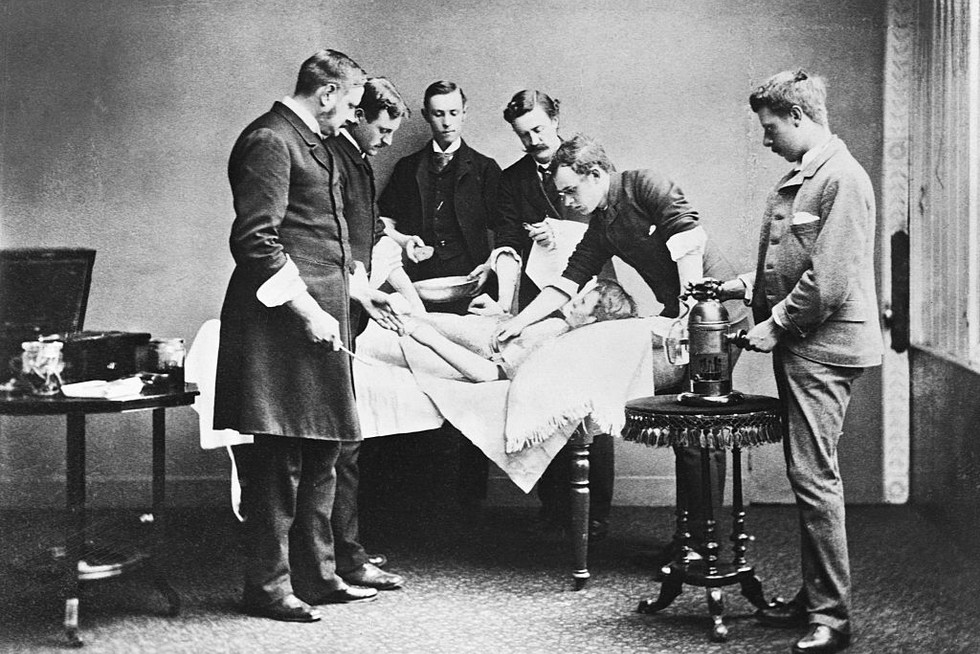
Long before modern medicine, humans practiced surgical interventions. Trepanation, the controlled removal of a piece of the skull, is among the oldest known procedures, performed over 7,000 years ago.

Purpose and Practice
Trepanation may have treated head injuries, relieved cranial pressure, or served ritual purposes. Remarkably, skulls show signs of healing, suggesting that patients often survived these operations.

Other Early Procedures
Archaeological evidence points to treatments for fractures, tumors, and dental issues. Tools made of bone, flint, and bronze reflect an understanding of anatomy and technique that predates modern surgical methods.

Legacy of Ancient Medicine
These early medical interventions illustrate human ingenuity and adaptability, revealing how prehistoric communities combined observation, skill, and experimentation to heal and sustain life.
← The Enigma of the Phaistos DiscThe Role of Sacred Geometry in Ancient Temples →
Featured
image_2025-12-04_225351242.png
Dec 4, 2025
The Construction Techniques of Ancient Megaliths
Dec 4, 2025
Read More →
Dec 4, 2025
image_2025-12-04_225310269.png
Dec 4, 2025
The Mysterious Handprints in Ancient Caves
Dec 4, 2025
Read More →
Dec 4, 2025
image_2025-12-04_224759090.png
Dec 4, 2025
The Role of Sacred Trees in Ancient Religions
Dec 4, 2025
Read More →
Dec 4, 2025
image_2025-12-04_224648150.png
Dec 4, 2025
The Lost Language of the Indus Valley Civilization
Dec 4, 2025
Read More →
Dec 4, 2025
image_2025-12-04_224539650.png
Dec 4, 2025
The Ancient Cult of the Serpent Across Civilizations
Dec 4, 2025
Read More →
Dec 4, 2025
image_2025-12-04_223446946.png
Dec 4, 2025
The Role of Astrology in the Rise and Fall of Empires
Dec 4, 2025
Read More →
Dec 4, 2025
read more

Powered by The archaeologist