Understanding Bull Worship in Minoan, Mesopotamian, and Egyptian Cultures
Across the ancient world, the bull symbolized strength, fertility, and divine power. Civilizations used this majestic animal in rituals, myths, and art.
Minoan Crete: The Leaping Bull
At Knossos, murals depict young acrobats performing leaps over charging bulls. The bull was linked to fertility and renewal, and possibly to the Minotaur myth. Bull imagery filled palaces, pottery, and religious spaces.
Mesopotamia: The Bull of Heaven
In the Epic of Gilgamesh, the Bull of Heaven was a divine weapon. Kings associated themselves with bulls to show divine strength and authority. Bull statues guarded temples as protectors.
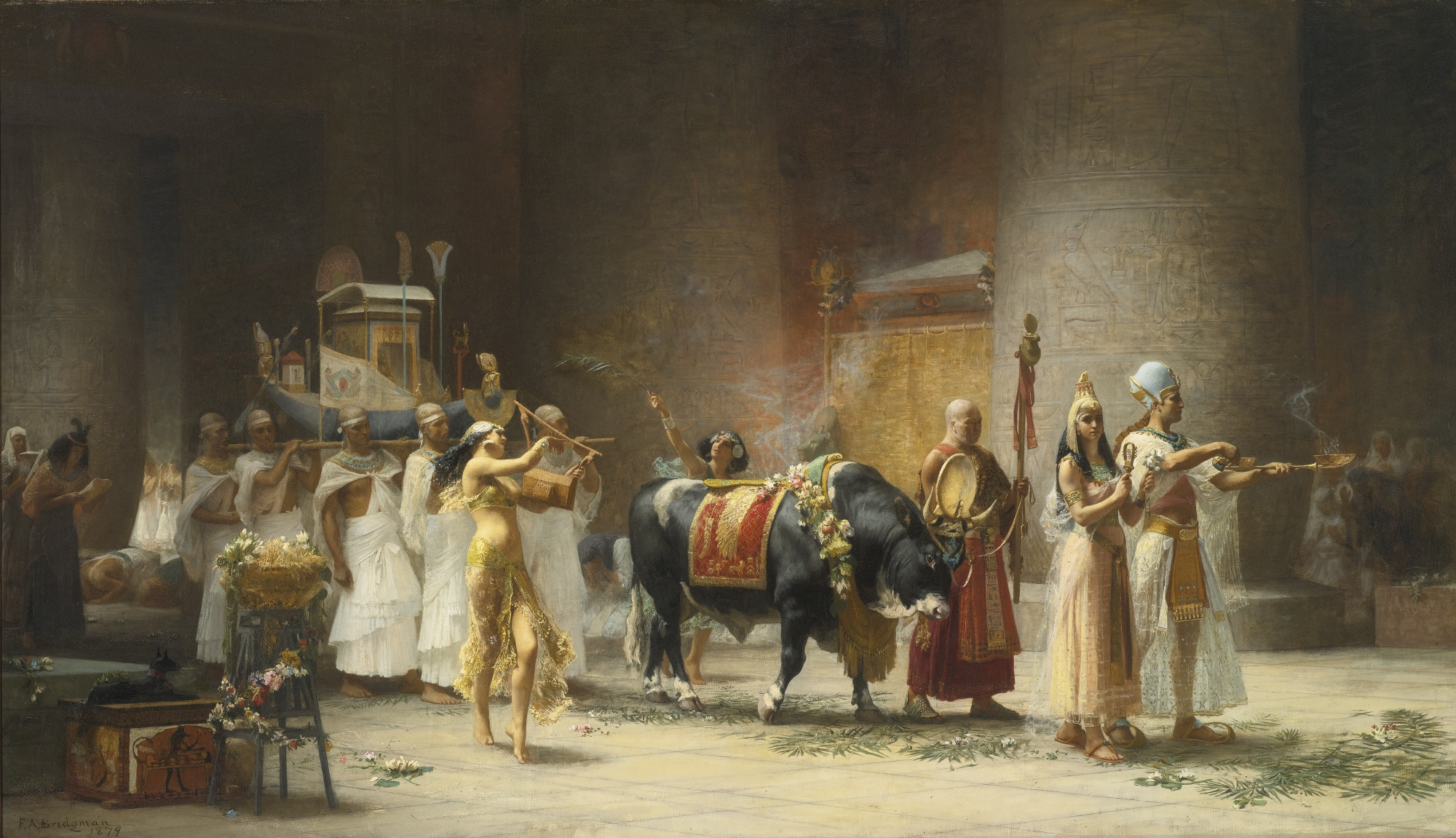
Egypt: The Apis Bull
The Apis bull was worshipped as a living manifestation of Ptah and later Osiris. Sacred bulls lived in luxury, attended by priests, and were mummified after death.
A Universal Symbol
Across cultures, the bull represented earthly power and cosmic energy, bridging the human world and the divine.