The Roman Emperor Augustus: The Ara Pacis Augustae
Introduction
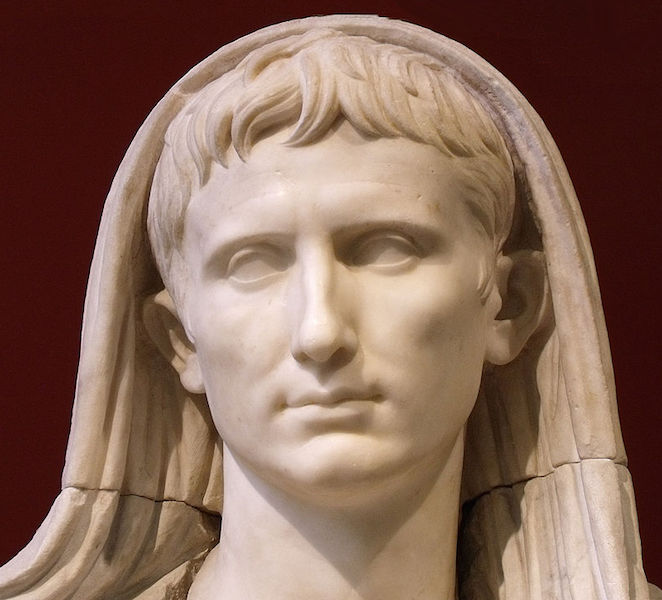
The Augustus transformed Rome from a republic torn by civil wars into a stable empire. One of the most important monuments celebrating his rule was the Ara Pacis Augustae, or "Altar of Augustan Peace." Dedicated in 9 BCE, it symbolized the peace, prosperity, and stability that Augustus claimed to have brought to the Roman world.
Historical Background
After decades of conflict, including the assassination of Julius Caesar and subsequent civil wars, Augustus emerged as Rome's sole ruler.
His victories:
Ended prolonged internal warfare
Secured Rome's borders
Established the beginning of the Pax Romana (Roman Peace)
To commemorate these achievements, the Roman Senate ordered the construction of the Ara Pacis.
Construction and Dedication
The altar was commissioned in 13 BCE and dedicated in 9 BCE.
It was built:
In the Campus Martius area of Rome
To celebrate Augustus' return from campaigns in Spain and Gaul
As a public monument honoring peace and imperial success
The monument served both religious and political purposes.
Architectural Design
Overall Structure
The Ara Pacis consists of:
A rectangular marble enclosure
An open-air sacrificial altar at its center
Richly carved exterior and interior reliefs
Although relatively modest in size, its artistic detail is extraordinary.
Decorative Reliefs
The monument is famous for its sculpted panels depicting:
Mythological scenes
Religious ceremonies
Members of the imperial family
Roman priests and officials
These carvings communicated powerful political messages.
Symbolism of Peace
The central theme of the Ara Pacis was peace.
However, Roman peace meant more than the absence of war.
It represented:
Political stability
Prosperity under Roman rule
Security provided by military strength
Harmony between the gods and the state
Augustus portrayed himself as the bringer of this new era.
The Processional Friezes
One of the most celebrated features is the processional frieze.
It shows:
Augustus and members of his family
Senators and priests
Men, women, and children participating in a religious ceremony
This was unusual because Roman state monuments traditionally focused on military victories rather than family life.
The imagery emphasized:
Dynastic continuity
Moral values
Civic unity
Mythological Imagery
Several reliefs connect Augustus to Rome's legendary past.
Important figures include:
Aeneas
Aeneas
Shown performing a sacrifice
Symbolized Roman piety and destiny
Romulus and Remus
The legendary founders of Rome were also referenced through mythological scenes.
These connections strengthened Augustus' claim to legitimate authority.
Political Propaganda
The Ara Pacis functioned as a sophisticated piece of political messaging.
It promoted:
Augustus' leadership
Loyalty to the imperial family
Traditional Roman religious values
The benefits of imperial rule
The monument helped shape public perception of Augustus as a wise and benevolent ruler.
Rediscovery and Preservation
Over time, the Ara Pacis was buried beneath later construction.
Fragments were rediscovered beginning in the Renaissance, and major excavations occurred in the 19th and 20th centuries.
Today, the reconstructed monument is housed in the Museo dell'Ara Pacis, where it remains one of the finest surviving examples of Roman art.
Historical Importance
The Ara Pacis is significant because it:
Celebrates the beginning of the Pax Romana
Demonstrates the artistic achievements of Augustan Rome
Reveals how art served political purposes
Provides insight into Roman religion, family life, and imperial ideology
It remains one of the most influential monuments of the ancient world.
Conclusion
The Ara Pacis Augustae stands as a powerful symbol of Augustus' vision for Rome. Through its elegant reliefs and carefully crafted imagery, it celebrated peace, prosperity, and the legitimacy of imperial rule. More than two thousand years later, it continues to offer valuable insight into the politics, religion, and art of the early Roman Empire.