Luxurious Burials and Grave Goods of the Sumerian Kings
Introduction to Ur
Ur, a prominent Sumerian city (c. 2600 BCE), is renowned for its royal tombs, which reveal extraordinary wealth, artistry, and ritual practices of early urban societies.
Tomb Architecture
Tombs were elaborate structures with multiple chambers, sometimes containing sacrificial victims, attendants, and a vast array of treasures. Construction techniques indicate sophisticated knowledge of stonework, bricklaying, and ceremonial design.
Grave Goods and Symbolism
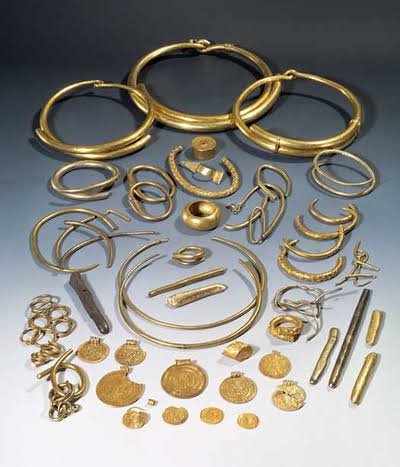
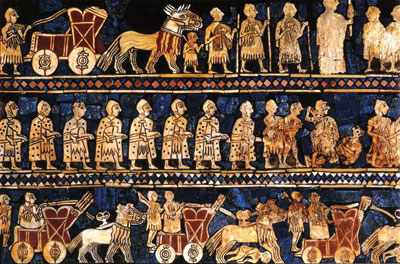
Artifacts included jewelry, musical instruments, weapons, and ceremonial items. Gold, lapis lazuli, and carnelian highlight trade networks and the symbolic importance of wealth as a bridge to the afterlife.
Ritual Practices
Excavations suggest elaborate funerary ceremonies, including human and animal sacrifices. These rituals reflect beliefs about the afterlife, divine favor, and the king’s role as intermediary between gods and humans.
Legacy and Insights
The Royal Tombs of Ur provide critical understanding of Sumerian social hierarchy, religious beliefs, and artistry, offering a window into early civilization’s complexity and human ingenuity.