Symbolism in Minoan, Mesopotamian, and Indus Valley Religions
Introduction to Bull Symbolism
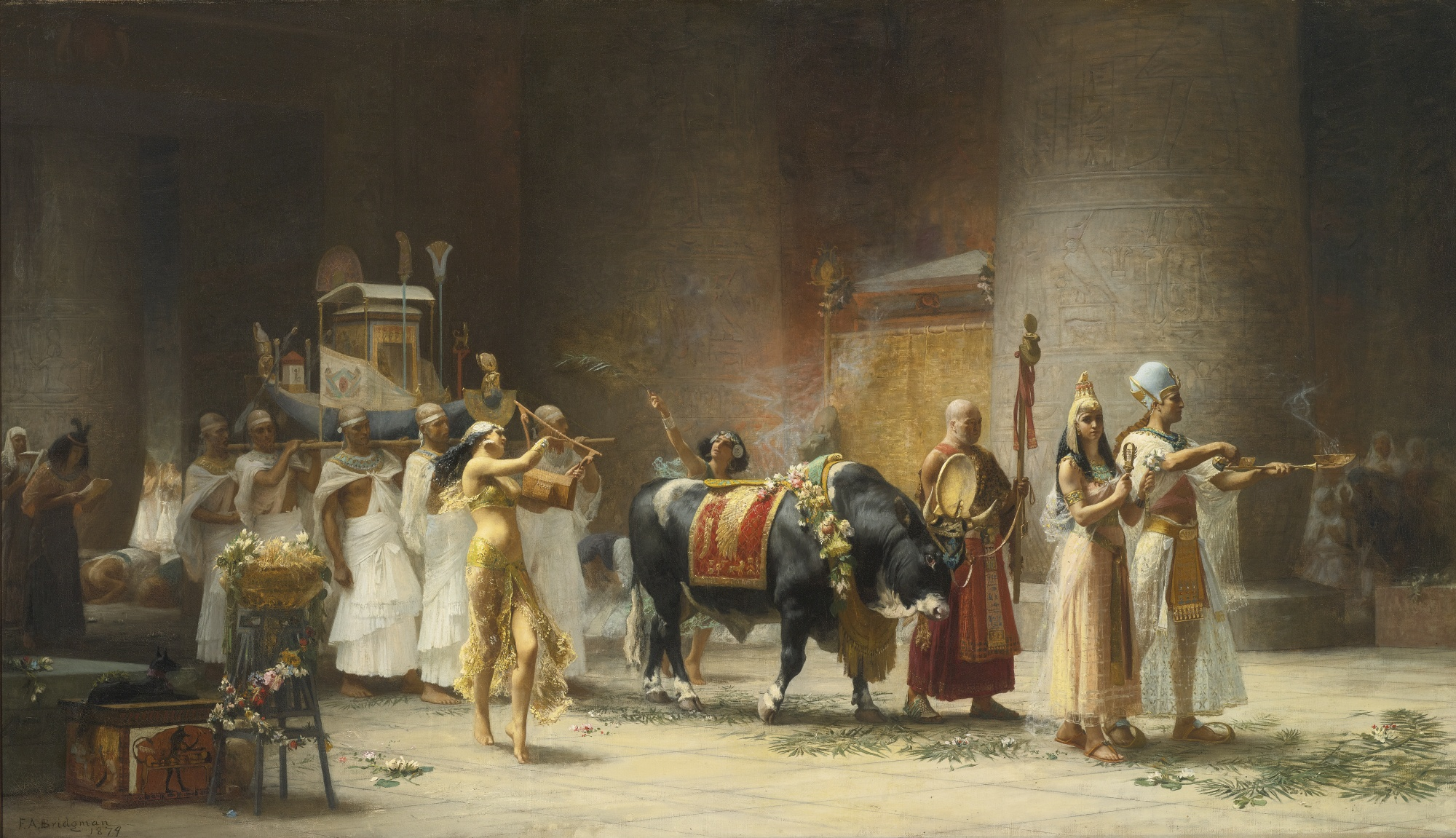
The bull has been one of the most enduring symbols across ancient civilizations, representing strength, fertility, and divine authority. Its presence in art, rituals, and mythology demonstrates its spiritual significance.
Minoan Civilization
In Minoan Crete (c. 2000–1450 BCE), the bull was central to religious ceremonies. Bull-leaping frescoes depict acrobatic rituals where participants vaulted over bulls, symbolizing human mastery over nature and spiritual communion. The bull represented vitality, fertility, and connection with the gods.
Mesopotamian Beliefs
In Mesopotamia, bulls were associated with storm gods and kingship. The Bull of Heaven appears in the Epic of Gilgamesh, symbolizing divine punishment and cosmic power. Cultures in Sumer, Akkad, and Babylon depicted bulls in temples, seals, and sculptures to reinforce authority and protection.
Indus Valley Civilization
In the Indus Valley (c. 3300–1300 BCE), bull motifs appear on seals and pottery, indicating economic and spiritual importance. Bulls were likely sacred, connected to fertility and agricultural productivity. They symbolized both human sustenance and cosmic order.
Cultural Legacy
Across these cultures, the bull represented life, strength, and divine favor. Its depiction in art, mythology, and ritual demonstrates the shared human desire to connect with forces greater than oneself and to seek protection, fertility, and prosperity through symbolic representation.