• MAIN PAGE
  • LATEST NEWS
    • Lost Cities
    • Archaeology's Greatest Finds
    • Underwater Discoveries
    • Greatest Inventions
    • Studies
    • Blog
  • PHILOSOPHY
  • HISTORY
  • RELIGIONS
    • Africa
    • Anatolia
    • Arabian Peninsula
    • Balkan Region
    • China - East Asia
    • Europe
    • Eurasian Steppe
    • Levant
    • Mesopotamia
    • Oceania - SE Asia
    • Pre-Columbian Civilizations of America
    • Iranian Plateau - Central Asia
    • Indus Valley - South Asia
    • Japan
    • The Archaeologist Editor Group
    • Scientific Studies
    • Aegean Prehistory
    • Historical Period
    • Byzantine Middle Ages
    • Predynastic Period
    • Dynastic Period
    • Greco-Roman Egypt
  • Rome
  • PALEONTOLOGY
  • About us
Menu

The Archaeologist

  • MAIN PAGE
  • LATEST NEWS
  • DISCOVERIES
    • Lost Cities
    • Archaeology's Greatest Finds
    • Underwater Discoveries
    • Greatest Inventions
    • Studies
    • Blog
  • PHILOSOPHY
  • HISTORY
  • RELIGIONS
  • World Civilizations
    • Africa
    • Anatolia
    • Arabian Peninsula
    • Balkan Region
    • China - East Asia
    • Europe
    • Eurasian Steppe
    • Levant
    • Mesopotamia
    • Oceania - SE Asia
    • Pre-Columbian Civilizations of America
    • Iranian Plateau - Central Asia
    • Indus Valley - South Asia
    • Japan
    • The Archaeologist Editor Group
    • Scientific Studies
  • GREECE
    • Aegean Prehistory
    • Historical Period
    • Byzantine Middle Ages
  • Egypt
    • Predynastic Period
    • Dynastic Period
    • Greco-Roman Egypt
  • Rome
  • PALEONTOLOGY
  • About us

The Role of Myth in Sumerian Kingship

December 19, 2025

How Sumerian Myths Reinforced Royal Authority

Introduction to Sumerian Mythology
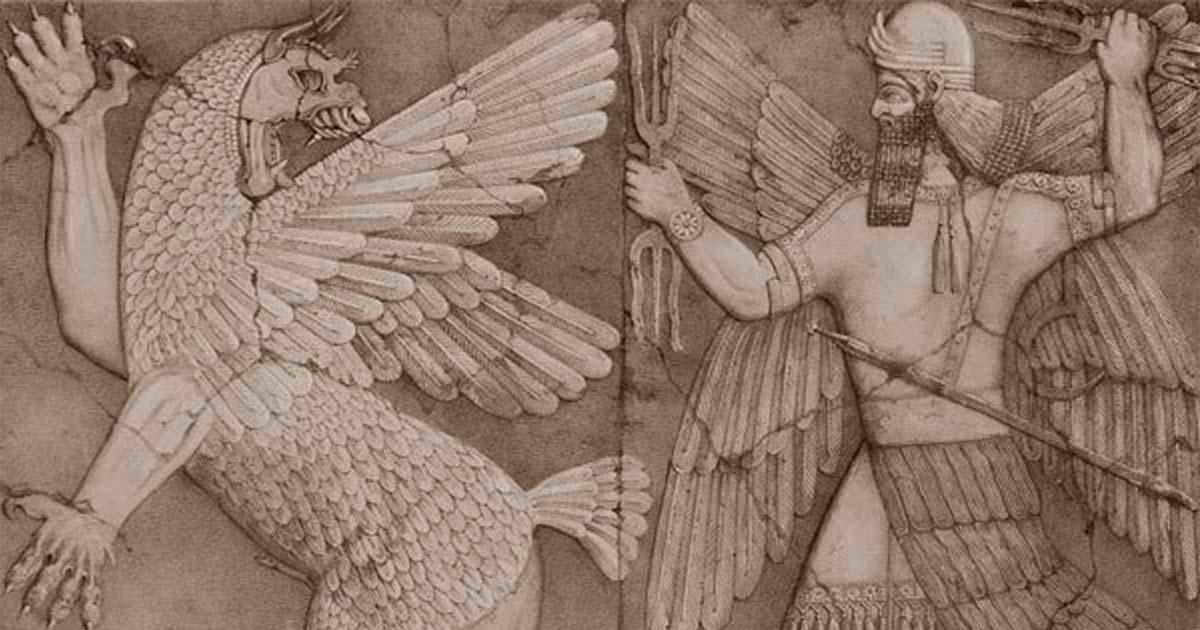
Sumerian myths often connected rulers directly to the divine, portraying kings as chosen by gods or even semi-divine figures themselves. These narratives reinforced the social hierarchy and legitimized political authority in city-states like Ur, Uruk, and Lagash.

Divine Kingship
Myths such as those surrounding Gilgamesh, Lugalbanda, and Enmerkar presented kings as intermediaries between gods and humans. Kings were tasked with upholding cosmic order (me) and maintaining harmony between humanity and the divine.

Myth as Political Tool
Stories reinforced the king’s right to rule by emphasizing divine favor. Temple inscriptions, epic poetry, and hymns portrayed rulers as divinely sanctioned, instilling loyalty among subjects and ensuring societal stability.

Ritual and Cultural Significance
Kings participated in religious rituals that reenacted mythic events, strengthening their authority. Festivals, offerings, and temple ceremonies symbolically linked the king with gods, creating a tangible demonstration of divine endorsement.

Legacy of Myth in Governance
Sumerian myth set a precedent for later Mesopotamian empires, establishing a framework where religious narratives and political power were deeply intertwined. By embedding mythology in governance, Sumerians ensured that kingship was both a spiritual and temporal institution, shaping societal norms and cultural continuity for centuries.


The Sacred Bull in Ancient Cultures →
Featured
image_2025-12-20_011100063.png
Dec 19, 2025
The Role of Myth in Sumerian Kingship
Dec 19, 2025
Read More →
Dec 19, 2025
image_2025-12-20_005333454.png
Dec 19, 2025
The Sacred Bull in Ancient Cultures
Dec 19, 2025
Read More →
Dec 19, 2025
image_2025-12-20_003537323.png
Dec 19, 2025
The Mystery of the Etruscans
Dec 19, 2025
Read More →
Dec 19, 2025
image_2025-12-20_002741288.png
Dec 19, 2025
The God-Kings of Ancient Egypt
Dec 19, 2025
Read More →
Dec 19, 2025
image_2025-12-20_002024096.png
Dec 19, 2025
The Ancient Olympic Games
Dec 19, 2025
Read More →
Dec 19, 2025
image_2025-12-20_001517638.png
Dec 19, 2025
The Legend of the Minotaur and the Labyrinth
Dec 19, 2025
Read More →
Dec 19, 2025
read more

Powered by The archaeologist