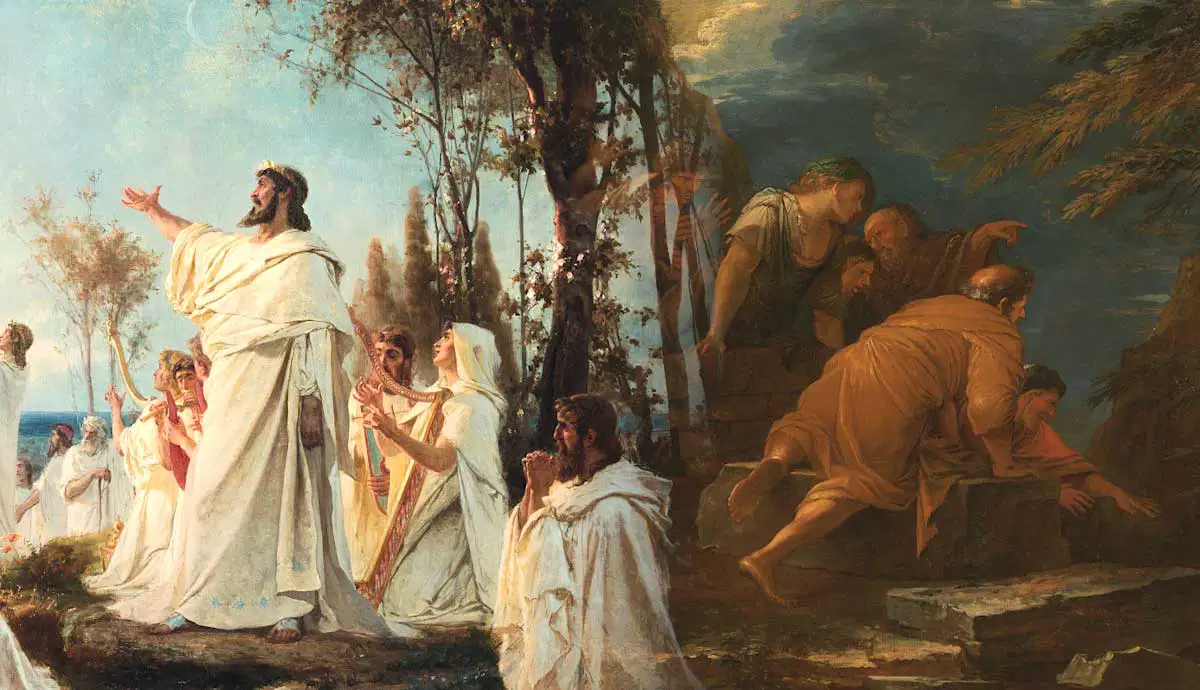
Mysticism, Mathematics, and Philosophy in the Ancient World
The Pythagoreans, founded by Pythagoras in the 6th century B.C., were more than mathematicians they formed a secretive society that combined spiritual teachings with rigorous study of numbers and the cosmos.
Numbers as Sacred Symbols
The Pythagoreans believed numbers held divine significance. They studied ratios, harmonics, and geometry to understand the universe. Music, astronomy, and mathematics were all seen as reflections of a cosmic order that could guide human life.
Rules of Membership
Pythagorean members followed strict codes, including communal living, dietary restrictions, and ritual practices. Harmony in daily life mirrored harmony in the universe, creating a disciplined, spiritually focused community.
Legacy of the Society
Their teachings influenced philosophy, science, and mystical traditions, linking logic and spirituality. The Pythagoreans’ belief in the power of numbers shaped centuries of thought, demonstrating the enduring connection between mathematics, philosophy, and spiritual insight.