Tracing the Origins and Meanings of Body Art in Ancient Cultures
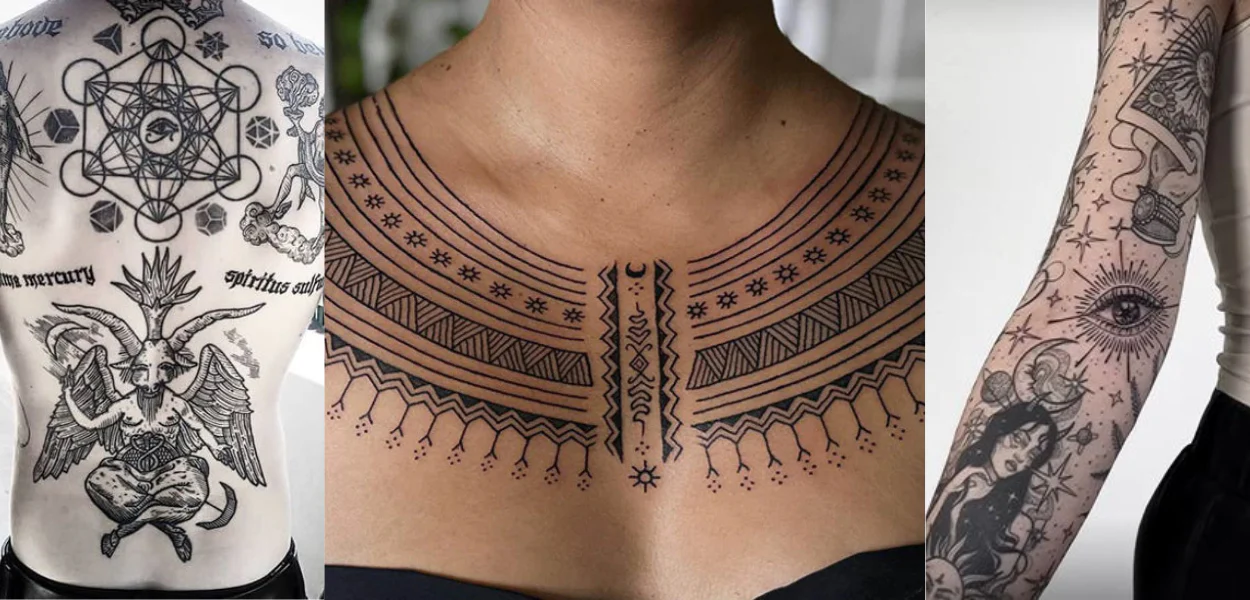
Tattooing has been practiced for thousands of years across continents, from Africa and Asia to Europe and the Americas. In ancient societies, tattoos were more than decorative—they conveyed messages about identity, power, and spiritual protection.
Tattoos as Symbols of Status and Strength
In many communities, tattoos were marks of courage, leadership, or rank. Warriors often bore designs that showcased their bravery, while rulers or elites used tattoos to demonstrate authority. Tattoos could intimidate enemies or highlight social achievements.
Spiritual and Protective Functions
Beyond aesthetics, tattoos served spiritual purposes. They were believed to protect the wearer from harm, illness, or evil spirits. Certain symbols were considered sacred and imbued the bearer with supernatural strength.
Evidence from Archaeology
Preserved mummies and ancient tools reveal the intricate artistry of early tattoos. The Ötzi Iceman, for example, bore patterns on his body over 5,000 years ago, possibly for therapeutic or ritualistic reasons. In Polynesia, tattoos documented family lineage, personal achievements, and tribal affiliation, blending identity and spirituality.
Tattoos in the ancient world were thus multi-layered, reflecting artistry, social hierarchy, and belief systems.