Introduction
Hearths were central features of many ancient households. They provided warmth, supported cooking, offered light, and created a gathering place for family members and visitors.
Although archaeologists often focus on the remains of fires, pottery, and food waste, the stones used to construct and maintain hearths can reveal additional information about domestic life.
Hearthstones were not necessarily ordinary building materials. Some may have been selected for their heat resistance, shape, availability, or symbolic importance. They could be reused, repaired, replaced, or transported between settlements.
Studying the social life of hearthstones provides an opportunity to investigate how household technology connected communities through exchange, craft knowledge, and everyday relationships.
The Importance of the Hearth
The hearth was more than a cooking installation.
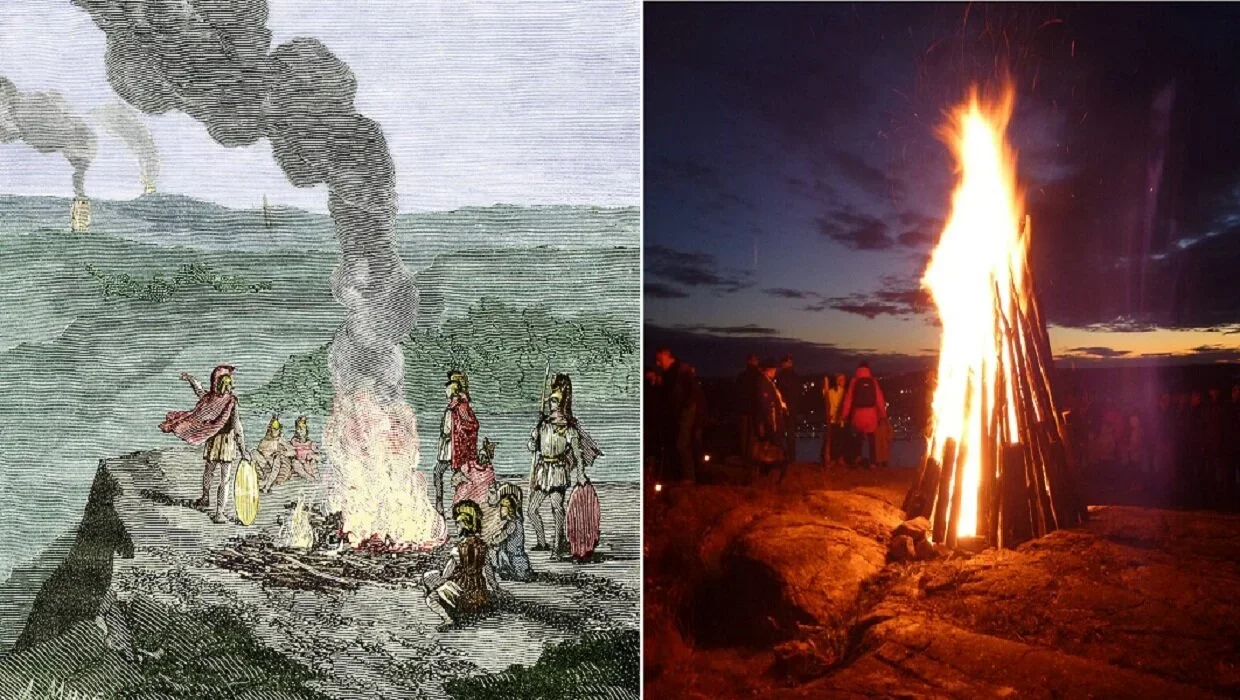
It could serve as a focal point for household activity, especially during evenings and colder seasons. People gathered around it to prepare food, repair tools, tell stories, and perform domestic tasks.
Its location within a dwelling could influence the organization of interior space.
Some households placed the hearth near the center of the main room, while others used separate cooking areas or outdoor installations.
The arrangement depended on building design, climate, fuel availability, and cultural preferences.
Selecting Hearthstones
The materials used to construct a hearth varied according to local geology.
Some stones tolerate repeated heating better than others. Certain rocks may fracture or flake when exposed to sudden temperature changes, while others remain relatively stable.
Builders could select stones based on experience, choosing materials that performed well during cooking.
Flat stones might be used as cooking surfaces or foundations. Larger blocks could form the boundaries of a fire installation, while smaller stones filled gaps or supported cooking equipment.
Archaeological analysis can identify whether hearthstones were collected locally or transported from different geological areas.
Repair and Replacement
Hearths experienced repeated heating and cooling.
Over time, stones could crack, become displaced, or accumulate deposits from cooking activities.
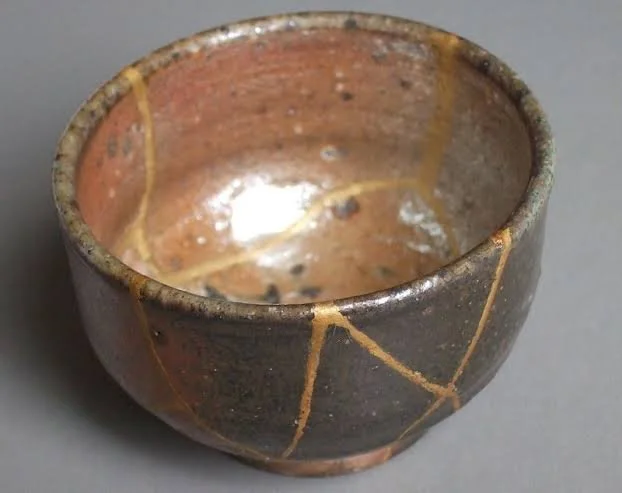
Households might repair damaged installations by replacing individual stones, adding clay or sediment, or rebuilding the structure.
Evidence of repair can include changes in stone arrangement, different construction materials, and multiple layers of burned sediment.
A hearth that appears simple during excavation may actually represent several episodes of maintenance.
These repairs are important because they demonstrate that domestic structures were not static. People continually adapted their homes to changing needs.
Exchange Between Villages
Some communities may have obtained suitable hearthstones from particular geological sources.
If certain stones were considered especially effective, households might have exchanged them through trade or personal networks.
A stone could travel as part of a larger exchange of building materials, tools, or household goods.
However, the presence of non-local stone does not automatically demonstrate formal trade. It may have been collected during travel, brought by migrating families, or transported through gift exchange.
Petrographic and geochemical analysis can help identify the geological origin of particular stones.
Hearthstones and Social Relationships
Household objects can carry social meaning beyond their practical function.
A stone brought from a distant settlement might have been associated with family history, migration, marriage, or a particular event.
A hearth rebuilt after a major household transition could also have symbolic significance.
Archaeologists cannot always identify these meanings directly, but patterns of reuse and repair may provide clues.
For example, a stone repeatedly retained despite visible damage might have been valued for reasons beyond its immediate usefulness.
Such interpretations must remain cautious because practical considerations may also explain why a stone was kept.
Archaeological Evidence
Hearthstones are usually identified through their arrangement and association with burned deposits.
Researchers examine heat alteration, soot, ash, charcoal, and changes in the surrounding soil.
The spatial relationship between hearthstones and other domestic features can reveal how the cooking area was organized.
Microscopic analysis may identify traces of plant material, food residues, or repeated heating.
The geological composition of the stones can also be compared with nearby natural deposits to investigate whether they were locally collected.
Hearths and Household Organization
The number and location of hearths within a settlement may provide information about household structure.
A large dwelling with several hearths could have supported multiple families or specialized activities.
Smaller houses may have relied on one central installation for most domestic tasks.
Shared hearths could also indicate communal cooking or collective use of buildings.
However, hearth numbers should not be used alone to estimate household size. Some activities may have taken place outdoors or in structures that have not survived.
The Spread of Cooking Technology
Hearth construction techniques can spread between communities.
A new arrangement may be adopted after contact with neighboring groups, through migration, or by the movement of craftspeople.
Comparing hearth designs across villages can reveal similarities and differences in construction traditions.
Researchers should distinguish shared technology from independent invention. Similar environmental conditions may encourage similar hearth designs even without direct cultural contact.
Evidence from pottery, architecture, fuel use, and food remains can help establish whether communities shared broader domestic traditions.
Experimental Archaeology
Experiments can help researchers understand how different stones respond to repeated heating.
By constructing replica hearths, archaeologists can observe cracking, discoloration, heat distribution, and changes in stone surfaces.
They can also test different repair methods and compare the resulting archaeological traces.
Such experiments provide a practical basis for interpreting excavated installations.
They also demonstrate why material selection was important for households that depended on fire for daily activities.
Conclusion
The social life of hearthstones reveals an often-overlooked dimension of ancient domestic history.
These stones were practical components of cooking installations, but their selection, transport, repair, and replacement could also reflect household decisions and relationships between communities.
Archaeological analysis can identify the geological origins of materials, reconstruct repair sequences, and investigate the organization of domestic space.
Although the social meanings of individual hearthstones are rarely recoverable with certainty, their physical histories demonstrate how everyday objects connected people with their environment and with one another.
The hearth was a place where food, warmth, labor, and social interaction came together. Its stones preserve part of that history.