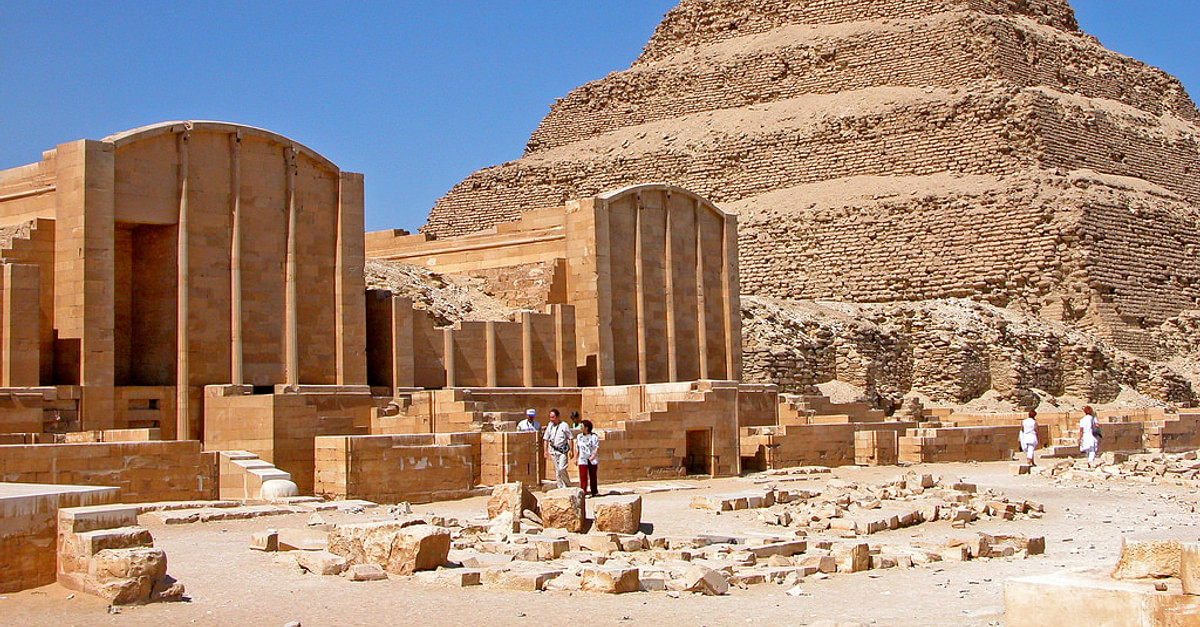
Design and Purpose of Djoser’s Step Pyramid in Egypt
Introduction to Saqqara
Saqqara, the necropolis of Memphis, is home to the earliest large-scale stone structure in Egypt: Djoser’s Step Pyramid. It represents a revolutionary leap in architectural ambition and funerary practice.
Architectural Design
The pyramid consists of six stepped layers rising above a rectangular base. Designed by the architect Imhotep, it evolved from traditional mastaba tombs, integrating multiple burial chambers and ceremonial corridors.
Religious Significance
The pyramid symbolized the king’s journey to the afterlife, a stairway to the sun god Ra, and the eternal maintenance of divine kingship. Its alignment and surrounding temples reinforced cosmic and religious order.
Construction Techniques
Builders employed limestone blocks, carefully measured and placed with innovative techniques for the time. The complex also included courtyards, chapels, and shrines, emphasizing ceremonial function alongside tomb preservation.
Cultural Legacy
Djoser’s pyramid inspired subsequent pyramids, including the Great Pyramid of Giza. Saqqara reflects the interplay of religion, architecture, and political authority in early dynastic Egypt.