• MAIN PAGE
  • LATEST NEWS
    • Lost Cities
    • Archaeology's Greatest Finds
    • Underwater Discoveries
    • Greatest Inventions
    • Studies
    • Blog
  • PHILOSOPHY
  • HISTORY
  • RELIGIONS
    • Africa
    • Anatolia
    • Arabian Peninsula
    • Balkan Region
    • China - East Asia
    • Europe
    • Eurasian Steppe
    • Levant
    • Mesopotamia
    • Oceania - SE Asia
    • Pre-Columbian Civilizations of America
    • Iranian Plateau - Central Asia
    • Indus Valley - South Asia
    • Japan
    • The Archaeologist Editor Group
    • Scientific Studies
    • Aegean Prehistory
    • Historical Period
    • Byzantine Middle Ages
    • Predynastic Period
    • Dynastic Period
    • Greco-Roman Egypt
  • Rome
  • PALEONTOLOGY
  • About us
Menu

The Archaeologist

  • MAIN PAGE
  • LATEST NEWS
  • DISCOVERIES
    • Lost Cities
    • Archaeology's Greatest Finds
    • Underwater Discoveries
    • Greatest Inventions
    • Studies
    • Blog
  • PHILOSOPHY
  • HISTORY
  • RELIGIONS
  • World Civilizations
    • Africa
    • Anatolia
    • Arabian Peninsula
    • Balkan Region
    • China - East Asia
    • Europe
    • Eurasian Steppe
    • Levant
    • Mesopotamia
    • Oceania - SE Asia
    • Pre-Columbian Civilizations of America
    • Iranian Plateau - Central Asia
    • Indus Valley - South Asia
    • Japan
    • The Archaeologist Editor Group
    • Scientific Studies
  • GREECE
    • Aegean Prehistory
    • Historical Period
    • Byzantine Middle Ages
  • Egypt
    • Predynastic Period
    • Dynastic Period
    • Greco-Roman Egypt
  • Rome
  • PALEONTOLOGY
  • About us

The Legend of the Minotaur and the Labyrinth

December 19, 2025

Exploring the Myth of Theseus and Minoan Crete

Introduction to the Myth
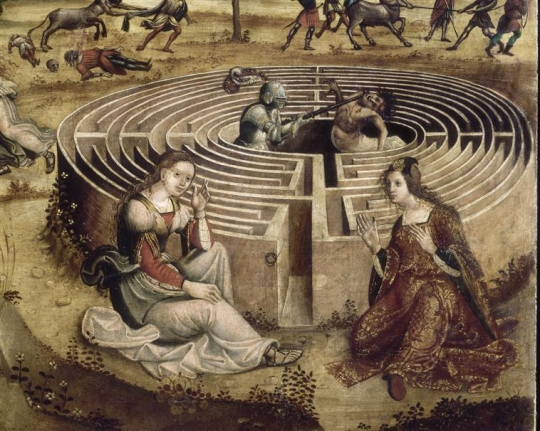
The story of the Minotaur, a creature half-man and half-bull, encapsulates Minoan religious symbolism and Greek mythmaking. The labyrinth, designed by Daedalus, served as both prison and ritualistic symbol.

Cultural Context
The myth may reflect bull-worship practices on Crete, where bull-leaping and ceremonial rituals were central to Minoan religion. It also illustrates human confrontation with chaos and divine power.

Symbolism of the Labyrinth
The labyrinth represents complex paths of fate, initiation, and spiritual trials. In mythology, it functions as both a protective enclosure and a challenge to heroic intelligence.

Theseus and Heroism
Theseus’ triumph over the Minotaur embodies the ideal of human courage, strategy, and divine favor. His story was retold as a symbol of overcoming chaos through intellect and bravery.

Legacy in Art and Literature
The Minotaur myth inspired Greek tragedy, Renaissance art, and modern literature, highlighting the enduring power of myth to explore human psychology and cultural memory.
← The Ancient Olympic GamesThe Step Pyramids of Saqqara →
Featured
image_2025-12-20_011100063.png
Dec 19, 2025
The Role of Myth in Sumerian Kingship
Dec 19, 2025
Read More →
Dec 19, 2025
image_2025-12-20_005333454.png
Dec 19, 2025
The Sacred Bull in Ancient Cultures
Dec 19, 2025
Read More →
Dec 19, 2025
image_2025-12-20_003537323.png
Dec 19, 2025
The Mystery of the Etruscans
Dec 19, 2025
Read More →
Dec 19, 2025
image_2025-12-20_002741288.png
Dec 19, 2025
The God-Kings of Ancient Egypt
Dec 19, 2025
Read More →
Dec 19, 2025
image_2025-12-20_002024096.png
Dec 19, 2025
The Ancient Olympic Games
Dec 19, 2025
Read More →
Dec 19, 2025
image_2025-12-20_001517638.png
Dec 19, 2025
The Legend of the Minotaur and the Labyrinth
Dec 19, 2025
Read More →
Dec 19, 2025
read more

Powered by The archaeologist