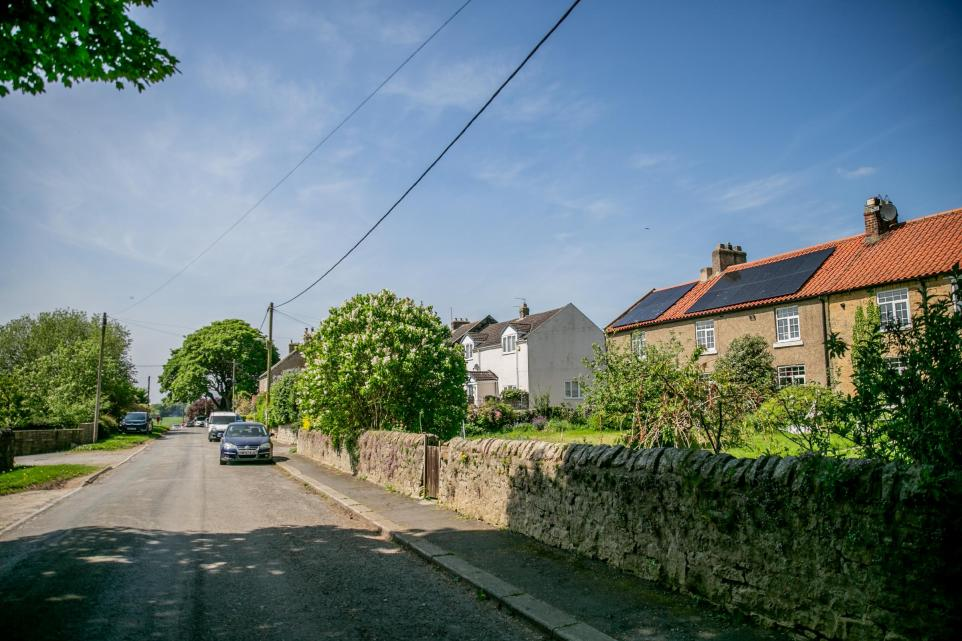
Blink as you drive between Darlington and Newton Aycliffe, and you’ll miss it.
But the tiny village of Brafferton, just off the A1 at junction 59, carries a history that stretches back more than 4,000 years, which includes one of the most famous animals Britain has ever produced.
With a parish population of no more than 200 people, Brafferton is a reminder that some of England’s richest stories are hidden in its smallest places.
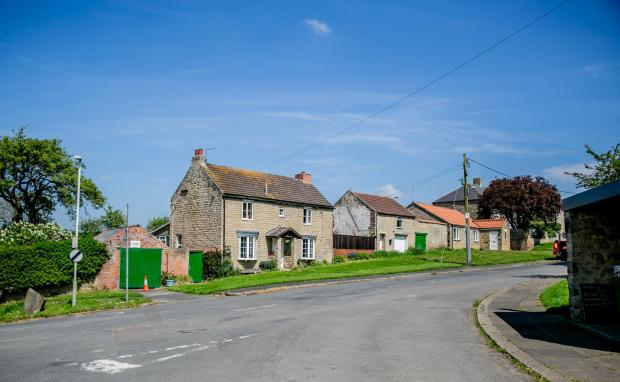
The village near to the A1(M)
That significance continued into the Norman period.
In 1086, Brafferton is recorded in the Domesday Book as land owned by the Bishop of Durham, featuring farmland and woodland. It functioned as a typical medieval village, shaped by both agriculture and the church.
At its center stands St Peter’s Church, a medieval parish church that has been the heart of community life for generations.
Yet Brafferton’s most unexpected claim to fame came on four legs.
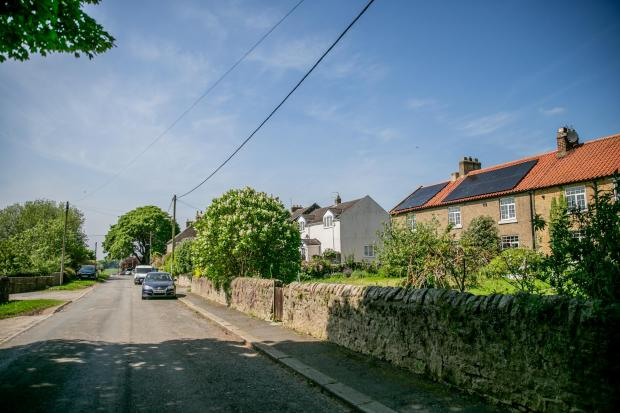
Brafferton
In the late 18th century, the Durham Ox—a massive white shorthorn bred at nearby Ketton Hall—weighed over a ton and became a national sensation.
Touring across Britain, the ox came to symbolize a new era of agricultural improvement. Its fame spread through prints, pamphlets, and pub signs, unexpectedly placing Brafferton on the national stage.
Today, the village has few amenities of its own, which only adds to its appeal. Darlington’s shops, restaurants, and rail links are just minutes away, while the surrounding countryside remains largely untouched.
Visitors can stop at the Foresters Arms for a traditional local experience, or stay at the nearby Hall Garth Hotel, which offers food and accommodation in historic surroundings.
Brafferton might not appear on many tourist maps, but perhaps that’s part of its charm.