Introduction
Life aboard ancient ships required practical solutions to problems involving comfort, storage, hygiene, and limited space. Sailors and passengers spent long periods in confined environments where sleeping arrangements had to accommodate movement, moisture, and changing weather conditions.
Among the possible materials used for bedding and cabin furnishings were plant fibers, animal materials, woven textiles, and dried vegetation. Seagrass is an interesting candidate because coastal communities had access to marine plant resources that could be dried and used for various purposes.
The study of seagrass mattresses in ancient ship cabins raises questions about maritime domestic life and the use of coastal materials. However, direct evidence can be difficult to identify because plant-based bedding rarely survives in ordinary archaeological conditions.
Understanding Seagrass
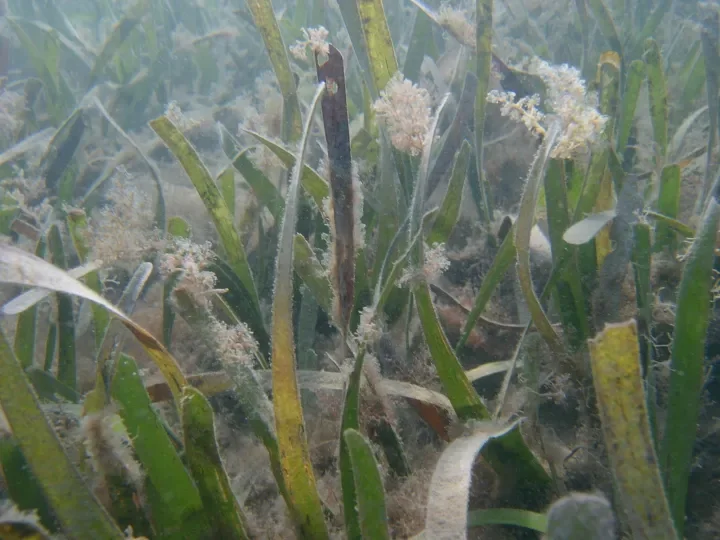
Seagrasses are flowering plants that grow in shallow marine environments. Unlike seaweeds, which are algae, seagrasses possess roots, leaves, and underground stems.
They form underwater meadows in coastal areas where light reaches the seabed. These ecosystems provide habitats for marine animals, stabilize sediments, and contribute to coastal environmental health.
After natural die-off or collection, dried seagrass can become fibrous and lightweight. Depending on the species and preparation, it may be suitable for packing, weaving, cushioning, or other practical uses.
However, not every marine plant traditionally called sea grass is a true seagrass. Historical terminology and archaeological identification must account for differences between seagrasses, algae, reeds, and other coastal vegetation.
Why Seagrass Could Be Used for Bedding
Dried plant material can provide cushioning when placed inside a fabric or woven container. Seagrass fibers may have been used as stuffing for mattresses, pads, or sleeping surfaces.
Such materials could have been relatively accessible in coastal communities and did not require the same processing as some animal-based bedding materials.
A mattress filled with dried vegetation could also be adjusted or replaced when necessary. In a ship environment, this would have been practical if the material was locally available and easy to transport.
However, seagrass has limitations. It can absorb moisture, become compacted, and develop unpleasant odors if stored in damp conditions. Its suitability would therefore depend on drying, preparation, and maintenance.
Sleeping Arrangements Aboard Ancient Ships
Ship interiors varied according to vessel size, purpose, and cultural tradition. Large vessels might include designated spaces for officers, passengers, or valuable cargo, while smaller boats offered little separation between working and sleeping areas.
Crew members could sleep on simple platforms, mats, blankets, or other portable bedding. More elaborate vessels may have included enclosed cabins with furnishings.
A mattress would need to be compact enough to fit within the available space. It might also be removed or secured during rough weather.
The archaeological study of ship cabins can help reconstruct these arrangements, although the survival of interior furnishings is often limited.
Archaeological Evidence for Plant-Based Bedding
Direct evidence of seagrass mattresses would be difficult to recognize because organic fibers decay in many burial environments.
In waterlogged shipwrecks, plant material may survive under favorable conditions. It may also be preserved through mineralization, impressions in surrounding materials, or residues trapped inside containers.
Researchers can examine fiber structure under a microscope to distinguish plant materials from animal fibers. Botanical identification may be possible when sufficiently preserved tissues are available.
The location of the material is also important. Fibers found in a compacted layer near a sleeping platform may be consistent with bedding, while similar material in a cargo compartment could have served as packing.
Distinguishing Seagrass from Other Bedding Materials
Ancient ships could have used many different types of plant material. Reeds, grasses, straw, leaves, moss, and other vegetation may have been used as stuffing or padding.
Seagrass identification requires botanical analysis rather than relying on a general description of a fibrous material.
Researchers may compare preserved fragments with reference specimens, examining leaf structure, cell patterns, and other diagnostic features.
Chemical analysis can sometimes help identify the presence of marine-derived organic materials, but environmental contamination can complicate interpretation.
A claim that a mattress was specifically filled with seagrass therefore requires stronger evidence than the discovery of unidentified plant fibers.
Moisture, Ventilation, and Maintenance
Ship cabins presented difficult environmental conditions. Moisture could enter through leaks, condensation, wet clothing, and waves.
Bedding materials needed to be dried and maintained to reduce deterioration and unpleasant odors. Plant-filled mattresses could be removed from the cabin and exposed to sunlight or ventilation when conditions allowed.
Storage arrangements may also have influenced the preservation of bedding. A mattress kept above the deck or inside a dry compartment would have different exposure conditions from one placed directly against a damp wooden surface.
These practical considerations can help researchers evaluate whether a particular plant material would have been suitable for use aboard a vessel.
Maritime Trade and the Availability of Seagrass
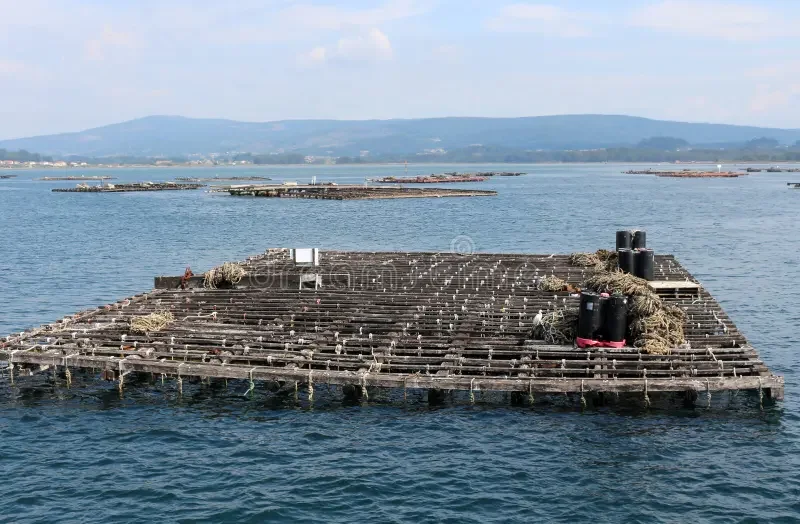
Seagrass meadows occur in many coastal regions, but their distribution varies according to water depth, temperature, salinity, and seabed conditions.
Communities living near these environments could have collected plant material for domestic and maritime uses.
Seagrass products might also have moved through local exchange networks, particularly if dried fibers were used in packing, mats, or other manufactured items.
However, the presence of seagrass in a shipwreck does not necessarily mean that it was collected locally. It could have been transported as cargo, used as packing material, or introduced through later environmental processes.
Experimental Reconstruction
Experimental archaeology can help evaluate the potential use of seagrass in bedding.
Researchers can collect appropriate plant materials, dry them under controlled conditions, and use them to produce small mattresses or cushions.
These replicas can be tested for weight, flexibility, comfort, moisture retention, durability, and ease of maintenance.
Comparisons with reeds, straw, and other plant fibers may reveal whether seagrass offered particular advantages.
Such experiments can demonstrate practical suitability, but historical use still requires archaeological evidence from securely dated maritime contexts.
Conservation of Organic Shipwreck Remains
Shipwrecks can preserve organic materials under waterlogged conditions, but recovery creates new risks.
Once exposed to air, waterlogged fibers may shrink, weaken, or become contaminated by microorganisms. Conservation specialists must therefore stabilize fragile materials before they dry.
Recording the exact location of plant remains is equally important. A bundle of fibers found beside a cabin structure may have a different interpretation from similar material found in a cargo area.
Three-dimensional recording, sediment sampling, and careful conservation can preserve evidence that would otherwise disappear during excavation.
Conclusion
The possible use of seagrass mattresses in ancient ship cabins offers an interesting perspective on maritime living conditions and the practical use of coastal resources. Dried seagrass could have served as a lightweight stuffing material for bedding or cushions, although other plant fibers may have been equally suitable. Establishing its use requires botanical identification, secure archaeological context, and careful distinction from packing materials and other forms of plant debris. Through shipwreck archaeology, experimental reconstruction, and conservation science, researchers can investigate how ancient sailors created more comfortable living spaces aboard vessels.