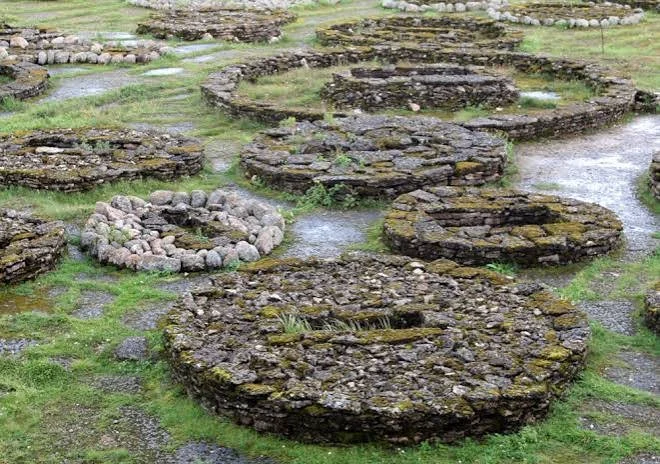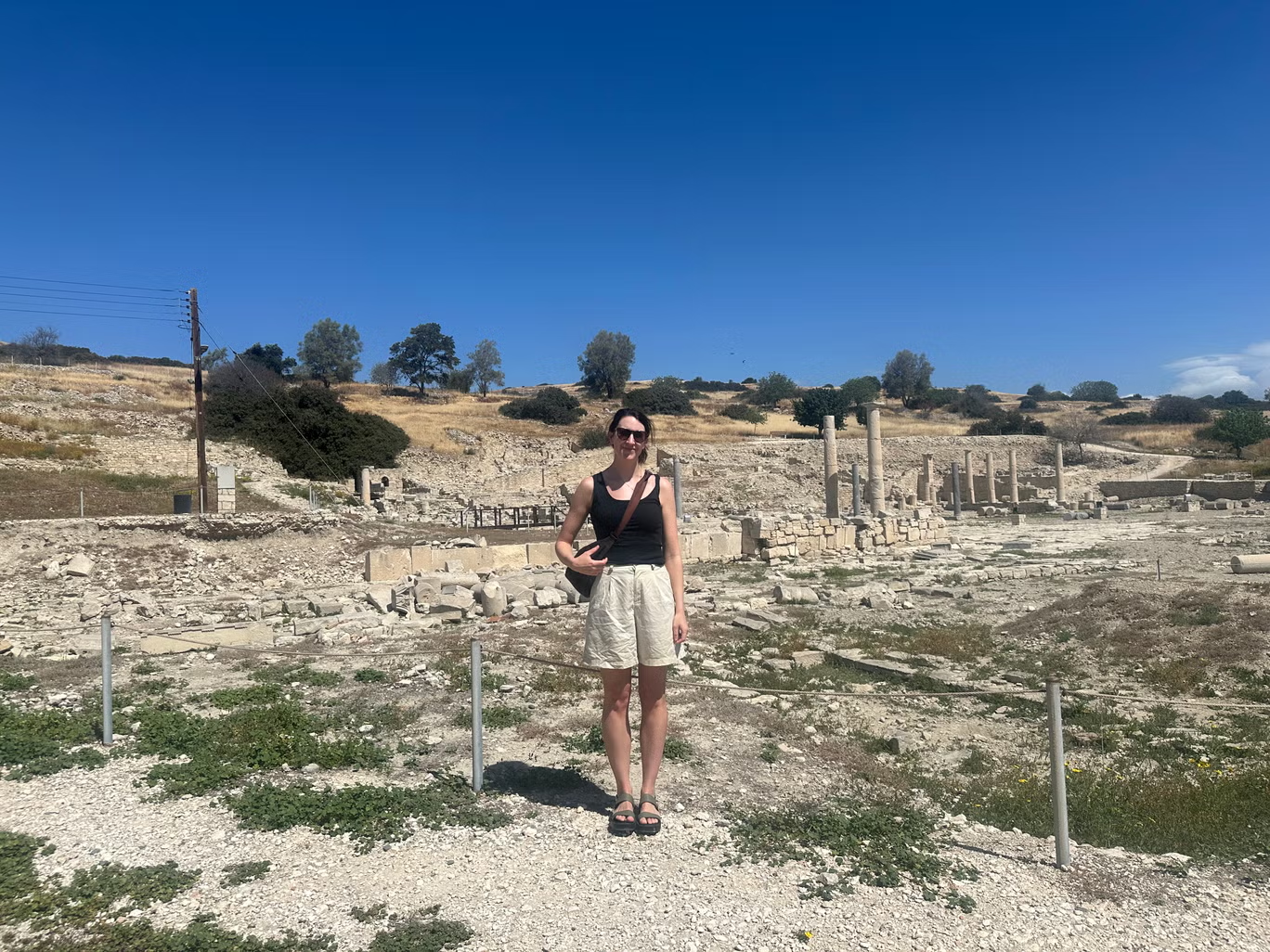
Step onto a cluster of ancient stones in an open clearing, ringed by towering columns stretching into the blue sky. “This was the agora – the marketplace,” my guide, David, explains. We’re in the heart of Amathus, an ancient kingdom dating back to the Iron Age around 1100 BC.
He points to where a river once ran, explaining that the city was built here because of its water supply, as we wander through the remains of what were once public baths for men and women.
With a modest entrance fee (€2.50/£2), visitors can freely explore the site—there are no barriers or set walkways. The only organised tours are arranged by my hotel, Parklane Resort & Spa Limassol, just five minutes away on Cyprus’s south coast.
According to David, Amathus is overlooked. Most visitors head to better-known sites like Kourion, but he believes this is the most significant of them all. Excavations are ongoing, and new discoveries continue to emerge. “Just a couple of years ago, parts of this were still buried,” he says.
Cyprus, the Mediterranean’s third-largest and third-most-populated island, boasts a deep and varied history, with evidence of human activity dating back 13,000 years. Locals proudly highlight their many historical “firsts” and “oldests.”
While my four-year-old daughter is too young to grasp the importance of ancient landmarks—such as the world’s oldest perfume factory, the largest handmade vase, or a wine variety dating to 800 BC—the island’s blend of beaches, sunshine, and culture makes it ideal for a short family getaway.
To carve out some adult time, I make use of the hotel’s Explorers Kids Club. With a large playground, bouncy castle, and a shallow pool featuring a pirate ship and slides, it keeps children entertained for hours. Parents can stay or leave their children in the care of staff, who organise activities for ages four months to 11 years, including crafts, games, and swimming. Two daily four-hour sessions give parents the chance to unwind or explore.
One afternoon, I choose relaxation and head to the spa. The 60-minute Kalloni Experience massage is the perfect remedy after a hectic few weeks.
The resort is particularly family-friendly. Although the sandy beach is just steps from our spacious sea-view room, the three expansive outdoor pools are the real highlight. There’s so much space that we don’t even manage to try them all—and there’s never a scramble for sun loungers.
I spend long afternoons unwinding while my daughter happily splashes nearby. On cooler or windier days—common along Cyprus’s south coast—we retreat to the heated indoor pool, gym, and sauna.
Dining is another strong point, with five restaurants offering varied, high-quality cuisine. At Lanes, we enjoy an extensive buffet breakfast with made-to-order omelettes, plentiful fresh fruit, and even pink champagne. The Gallery serves freshly prepared sushi, while La Petite Maison offers a Cypriot twist on French dishes. For something more casual, Vithos by the pool is perfect for a relaxed lunch.
For a special evening, I dine at Nammos, a seafood restaurant set right on the water. Seated in a courtyard adorned with hanging plants, I savour grilled squid and prawn ravioli in bisque, accompanied by a glass of local wine—this time enjoying a rare child-free moment while my daughter paints pottery at the kids club.
As any parent knows, sometimes you need a break within your break.