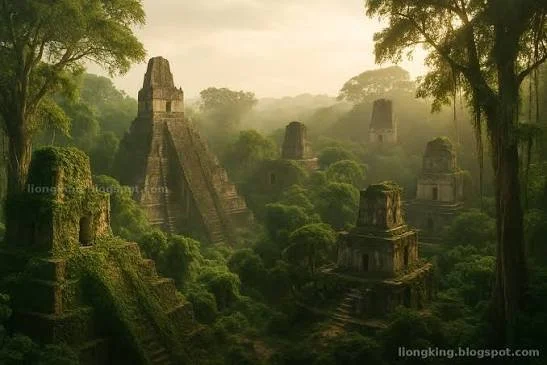
Deep within the Petén rainforest of Guatemala, the ancient Maya metropolis of Tikal stands as a monument to Classic period urban planning. While its towering pyramids dominate the jungle canopy, the true arteries of this superpower city were its massive, elevated limestone causeways, known as sacbeob (singular: sacbe, meaning "white road"). These jungle highways were not simple dirt trails; they were heavily engineered stone causeways that measured up to 60 meters wide and extended for miles across the urban landscape.
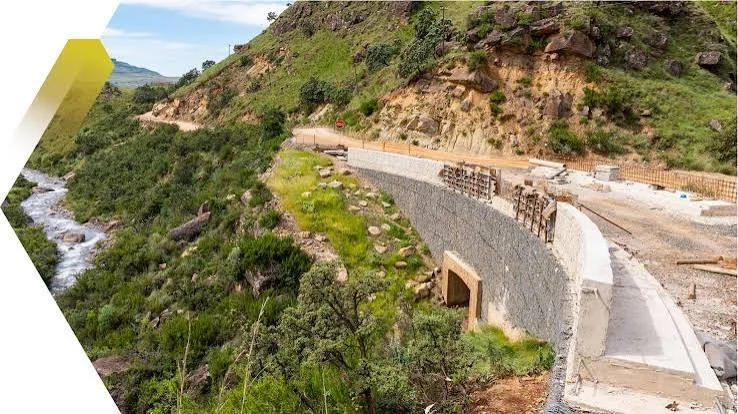
The construction of a sacbe required immense collective labor and raw material processing. Maya engineers first laid down two parallel retaining walls built from massive, dressed limestone blocks. The interior space between these walls was then filled with millions of rough limestone fragments, flint nodules, and soil to create a stable, elevated roadbed that sat up to three meters above the forest floor. The surface was finished with a thick layer of crushed limestone mortar and polished white stucco, creating a smooth, weather-proof highway that reflected the moonlight and remained completely functional during the heavy tropical wet season.
The causeways served a vital combination of military, logistical, and religious functions. They connected Tikal’s central acropolis with distant suburban complexes and agricultural zones, allowing the rapid deployment of troops and the efficient transport of maize and trade goods into the city center. Spiritually, causeways like the Maler, Maudslay, and Méndez Sacbeob functioned as formal ceremonial avenues. During major calendar shifts, the Maya elite marched along these white roads in elaborate costumes, creating a grand public theater that physically bound the distant corners of the landscape to the sacred authority of Tikal's divine rulers.