Introduction
Tonque Pueblo, associated with the prehistoric Puebloan landscape of central New Mexico, represents the complexity of cultural classification in the American Southwest.
The label used in the title—"Salado Village"—requires some caution because Salado is an archaeological term most strongly associated with communities of central and eastern Arizona and adjoining regions, particularly during the thirteenth and fourteenth centuries.
Rather than assuming a simple ethnic identity, archaeologists examine architectural and material similarities to understand the connections between settlements.
Pueblo Architecture
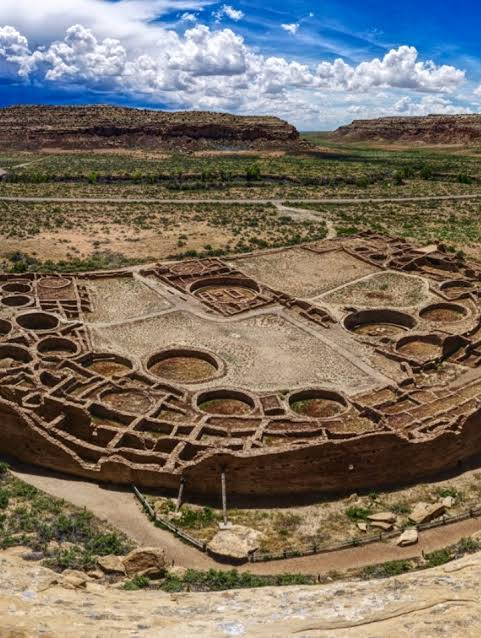
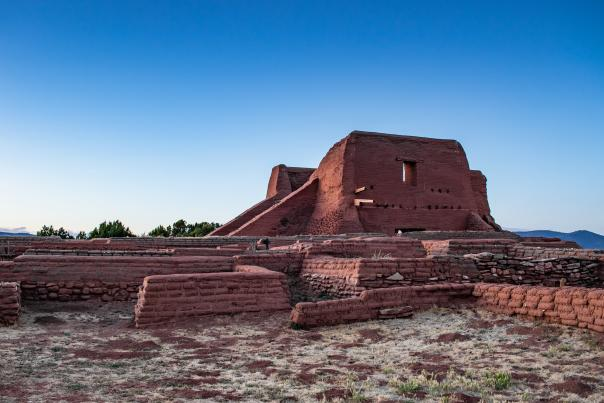
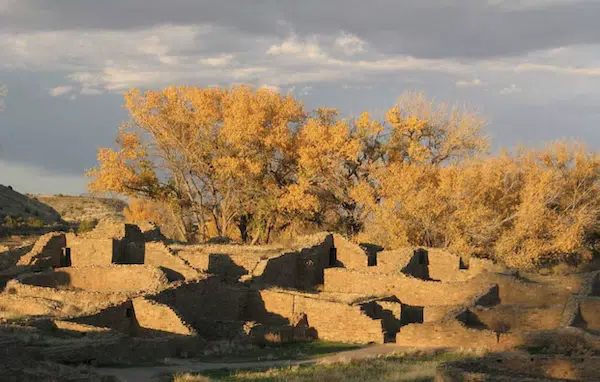
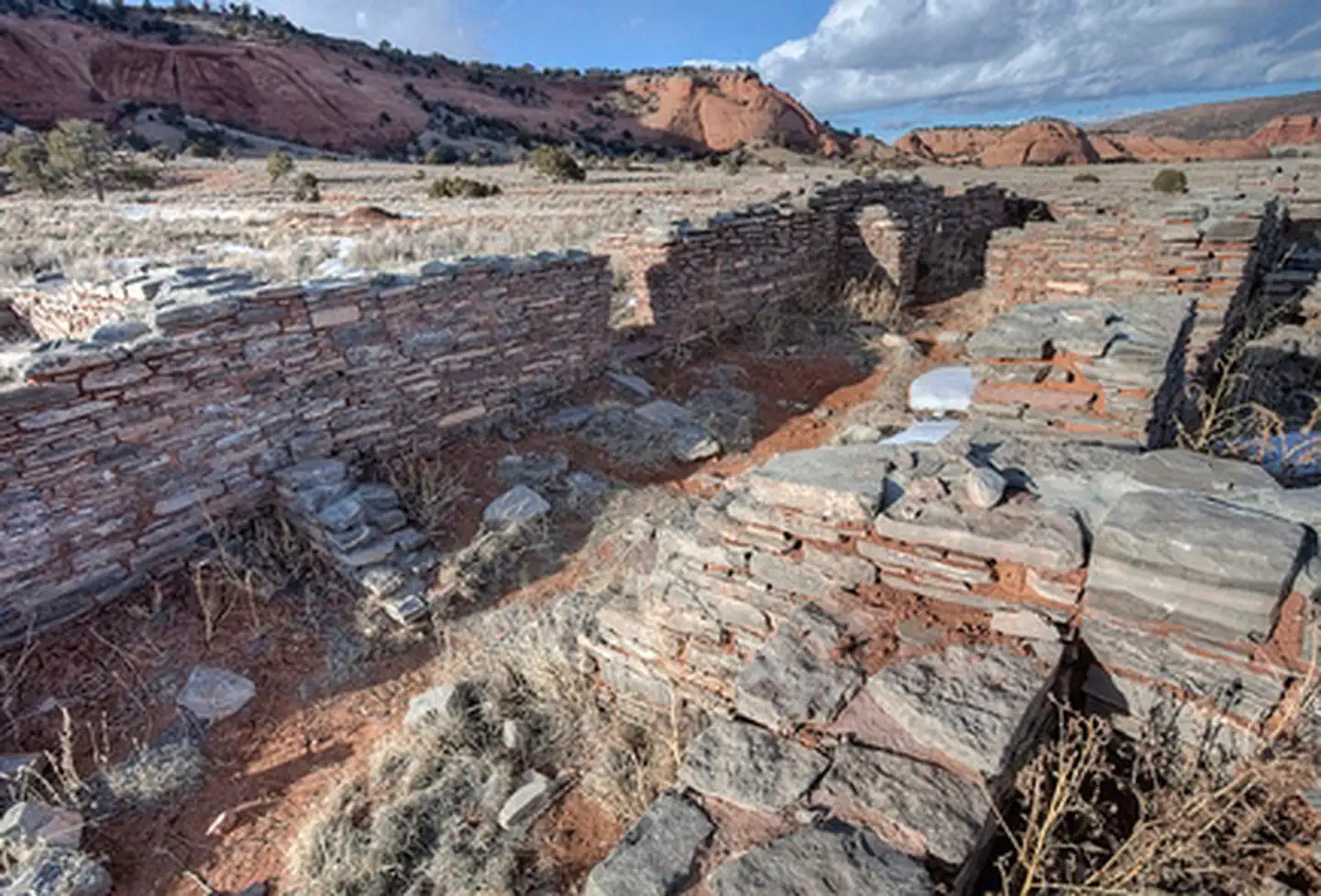
Pueblo communities constructed substantial masonry buildings containing residential and communal spaces.
Rooms could be used for sleeping, storage, food preparation, craft production, and other domestic activities.
The organization of rooms around plazas or open spaces created a physical framework for community life.
Kivas and Ritual Space
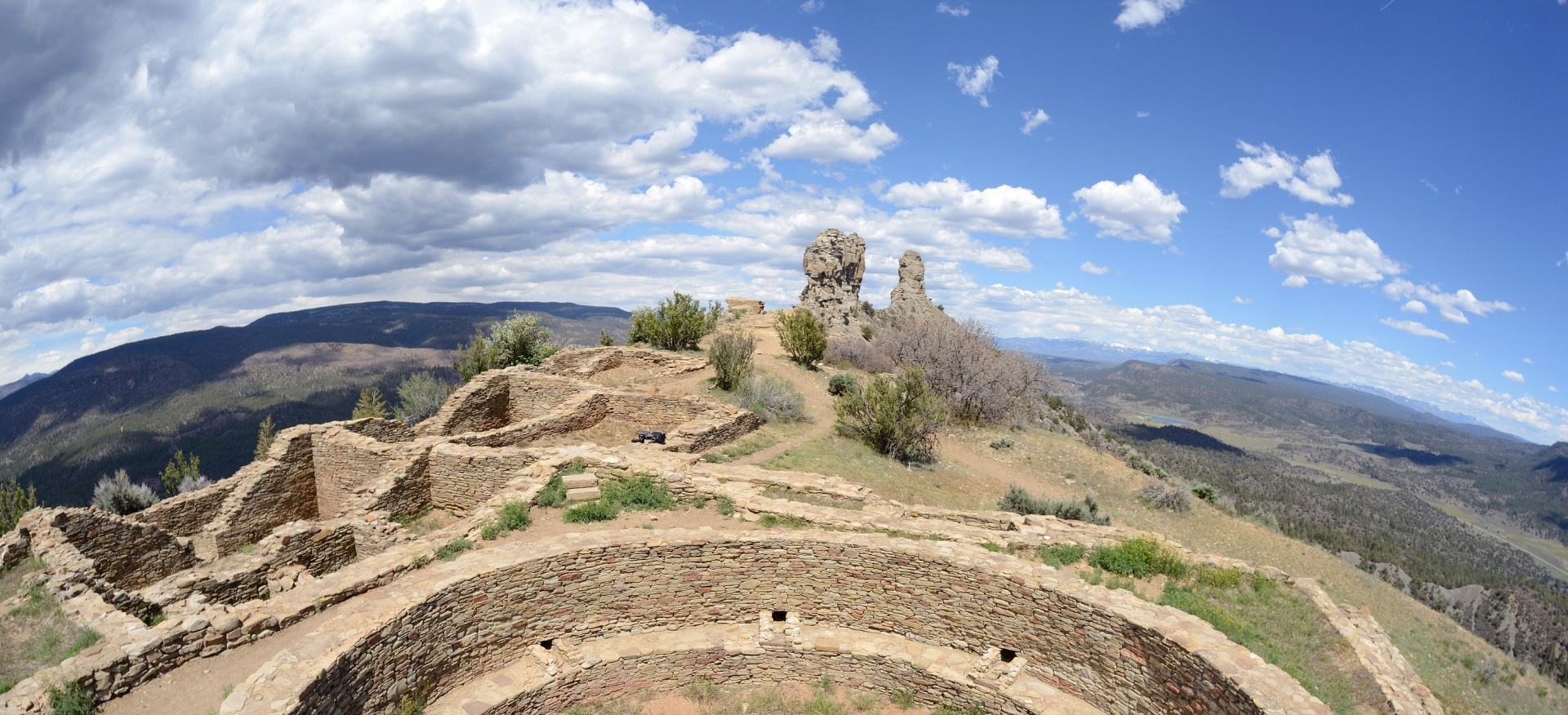
Ceremonial structures known as kivas played important roles in many Pueblo communities.
Kivas could be circular or rectangular depending on region and period.
They often contained distinctive architectural elements such as benches, hearths, and central features.
Their exact uses varied, but they were associated with communal and ceremonial life.
Agriculture
The settlement economy depended heavily on farming.
Corn, beans, and squash were major crops.
Agriculture in the dry Southwest required careful management of rainfall and soil moisture.
Farmers also gathered wild plants and hunted animals.
This mixed economy helped communities survive environmental fluctuations.
Regional Interaction
The most important aspect of sites such as Tonque is the evidence for regional connections.
Pottery styles, architectural forms, tools, and other materials can reveal interaction between communities.
The prehistoric Southwest was a network of settlements rather than a collection of isolated villages.
Environmental Adaptation
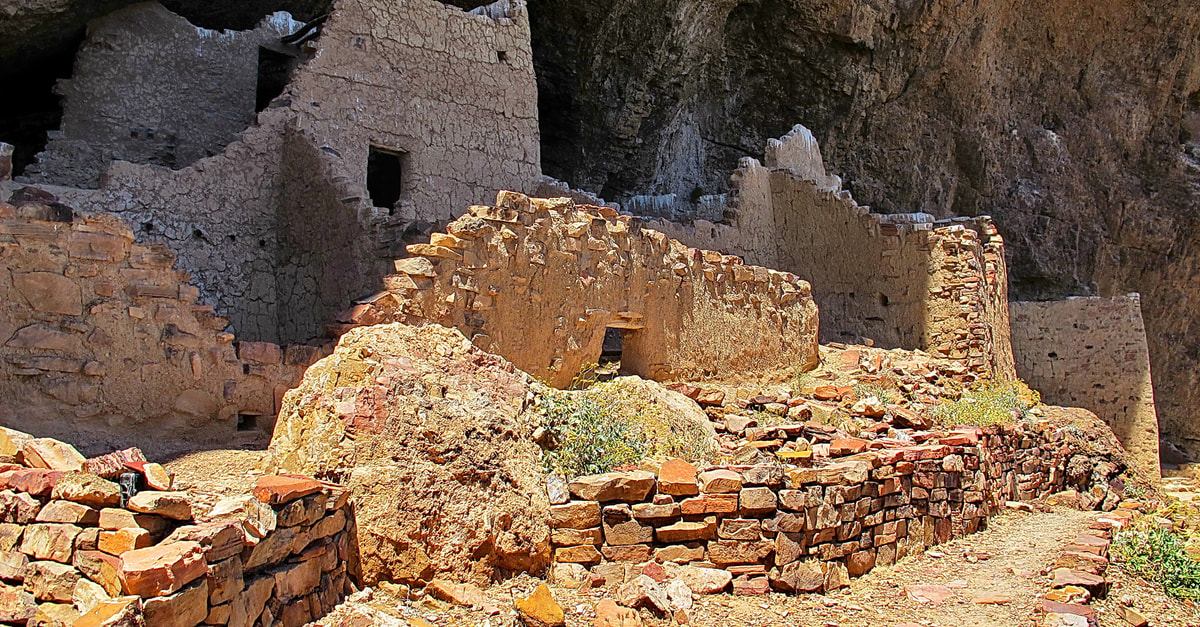
Southwestern architecture was shaped by climate.
Thick masonry walls provided thermal mass.
Small openings reduced exposure to extreme temperatures.
Buildings could be positioned to take advantage of shade and prevailing environmental conditions.
Archaeological Interpretation
One of the challenges in Southwestern archaeology is the temptation to attach a modern tribal identity directly to an archaeological assemblage.
Archaeologists instead examine material evidence.
Modern Indigenous communities may have cultural relationships to ancestral sites, but those relationships cannot always be mapped perfectly onto archaeological categories.
Conclusion
Tonque Pueblo illustrates the complexity of Puebloan archaeology.
Its importance lies in architecture, agricultural adaptation, regional exchange, and the broader history of communities living in the Southwest.
The site reminds us that archaeological cultures were interconnected traditions rather than rigid political boundaries.