Introduction
Tuzigoot is one of the best-known prehistoric pueblos in Arizona's Verde Valley.
Built approximately a thousand years ago, the hilltop settlement was occupied for several centuries and later abandoned before being rediscovered and excavated in the twentieth century. The National Park Service identifies its inhabitants archaeologically as Sinagua, a classification rather than the name of a known historical tribe.
The Sinagua
The Sinagua lived in central Arizona between approximately the sixth and fourteenth centuries.
They cultivated crops while also hunting and gathering.
They occupied diverse environments, from high-elevation forests to the warmer Verde Valley.
The name "Sinagua" comes from Spanish terminology meaning "without water," although the archaeological communities themselves clearly lived in landscapes containing important water sources.
Hilltop Construction
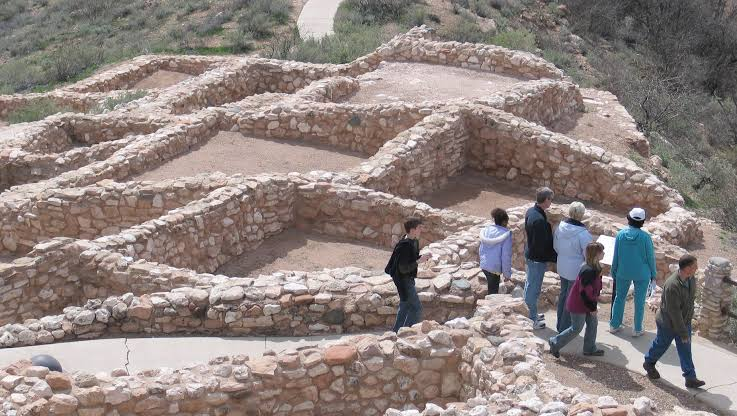
Tuzigoot occupies a prominent hill overlooking the Verde River region.
Its elevated position provided visibility across the surrounding landscape.
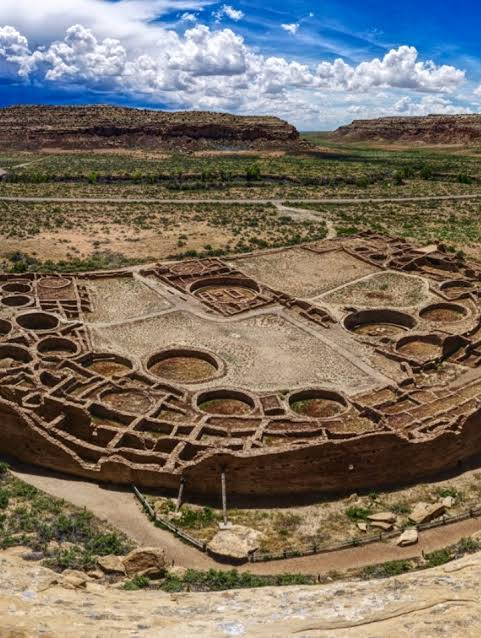
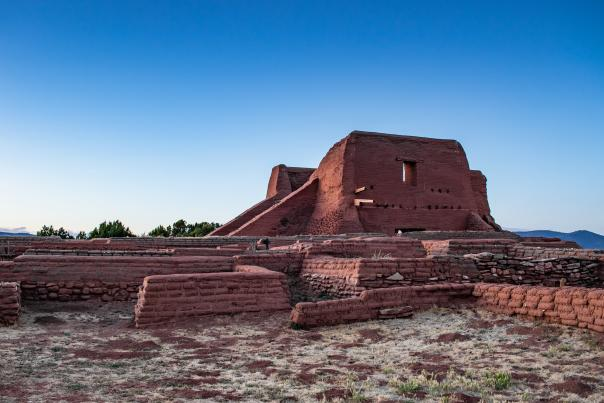
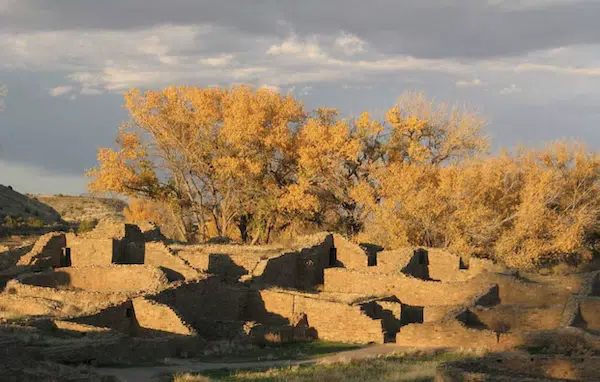
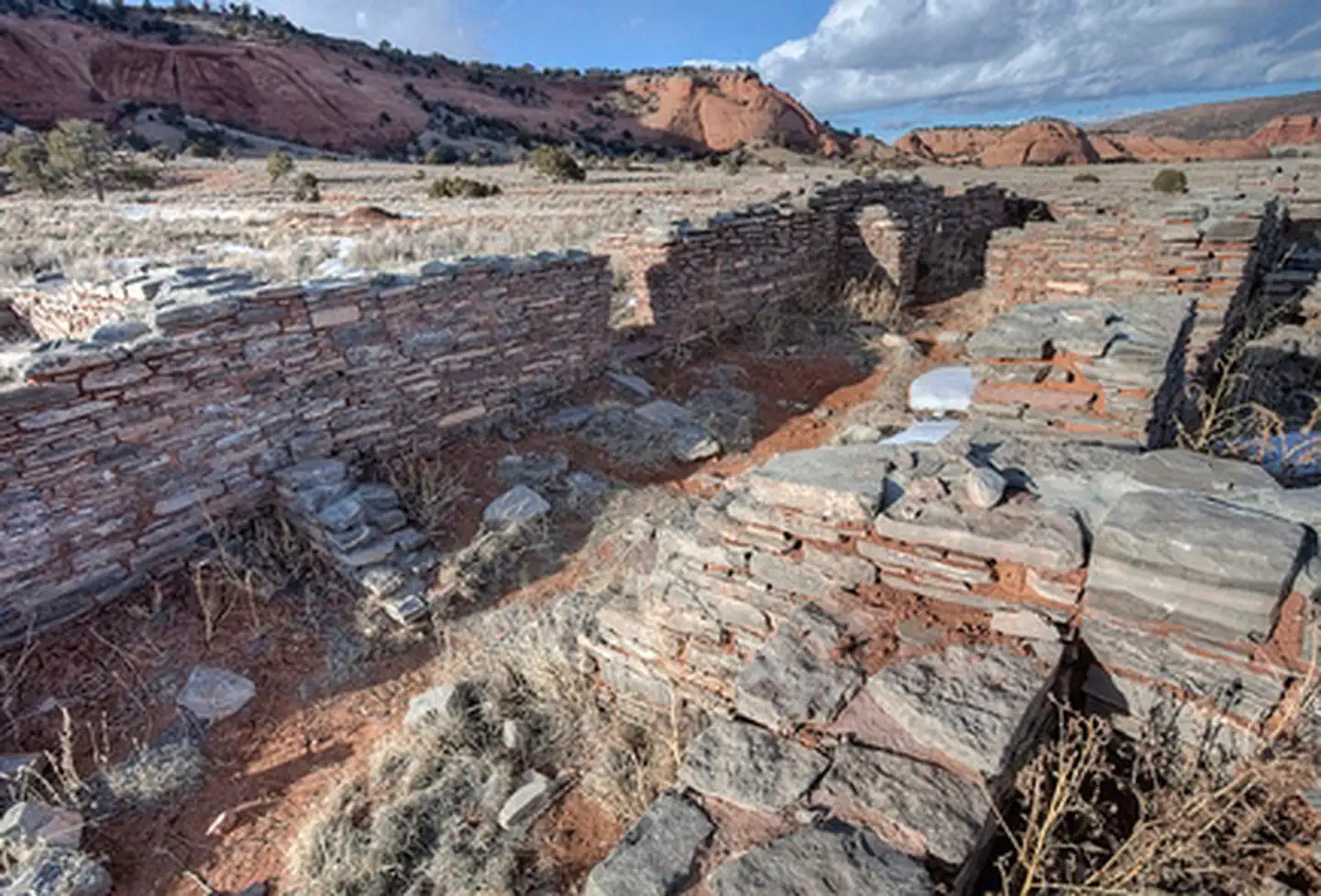
The pueblo contained numerous rooms constructed primarily from local stone and mortar.
The architecture developed over time, reflecting additions and modifications.
Daily Life
Residents lived in a community where domestic activities occurred in and around the rooms.
People prepared food, stored crops, manufactured tools, produced pottery, and cared for children.
The surrounding environment supplied wild plants, animals, wood, and other resources.
Agriculture provided the foundation of the economy.
Trade
Tuzigoot participated in regional exchange networks.
Artifacts found in Sinagua sites indicate contacts with distant communities.
Marine shell, exotic stones, pigments, and other materials could travel long distances.
Such objects demonstrate that prehistoric Arizona was integrated into broad exchange systems.
Architecture and Social Organization
The size of Tuzigoot suggests substantial community organization.
Constructing masonry rooms required labor and planning.
The hilltop location also suggests that the settlement had a strong relationship with the surrounding landscape.
Archaeologists continue to investigate how households were organized and how communal spaces functioned.
Excavation
Tuzigoot was excavated in 1933–1934 by Louis Caywood and Edward Spicer.
Their work established an important archaeological foundation for understanding the site.
Later research has continued to refine interpretations.
Modern archaeology is also more careful about acknowledging Indigenous perspectives and the limitations of older archaeological terminology.
Conclusion
Tuzigoot is more than a picturesque hilltop ruin.
It is evidence of a sophisticated agricultural community that adapted successfully to Arizona's environmental conditions.
Its masonry architecture, trade connections, agricultural economy, and long occupation make it an essential site for understanding the ancient Verde Valley.