• MAIN PAGE
  • LATEST NEWS
    • Lost Cities
    • Archaeology's Greatest Finds
    • Underwater Discoveries
    • Greatest Inventions
    • Studies
    • Blog
  • PHILOSOPHY
  • HISTORY
  • RELIGIONS
    • Africa
    • Anatolia
    • Arabian Peninsula
    • Balkan Region
    • China - East Asia
    • Europe
    • Eurasian Steppe
    • Levant
    • Mesopotamia
    • Oceania - SE Asia
    • Pre-Columbian Civilizations of America
    • Iranian Plateau - Central Asia
    • Indus Valley - South Asia
    • Japan
    • The Archaeologist Editor Group
    • Scientific Studies
    • Aegean Prehistory
    • Historical Period
    • Byzantine Middle Ages
    • Predynastic Period
    • Dynastic Period
    • Greco-Roman Egypt
  • Rome
  • PALEONTOLOGY
  • About us
Menu

The Archaeologist

  • MAIN PAGE
  • LATEST NEWS
  • DISCOVERIES
    • Lost Cities
    • Archaeology's Greatest Finds
    • Underwater Discoveries
    • Greatest Inventions
    • Studies
    • Blog
  • PHILOSOPHY
  • HISTORY
  • RELIGIONS
  • World Civilizations
    • Africa
    • Anatolia
    • Arabian Peninsula
    • Balkan Region
    • China - East Asia
    • Europe
    • Eurasian Steppe
    • Levant
    • Mesopotamia
    • Oceania - SE Asia
    • Pre-Columbian Civilizations of America
    • Iranian Plateau - Central Asia
    • Indus Valley - South Asia
    • Japan
    • The Archaeologist Editor Group
    • Scientific Studies
  • GREECE
    • Aegean Prehistory
    • Historical Period
    • Byzantine Middle Ages
  • Egypt
    • Predynastic Period
    • Dynastic Period
    • Greco-Roman Egypt
  • Rome
  • PALEONTOLOGY
  • About us

Ancient Stone Carvings That Depict Unknown Animals

March 4, 2026

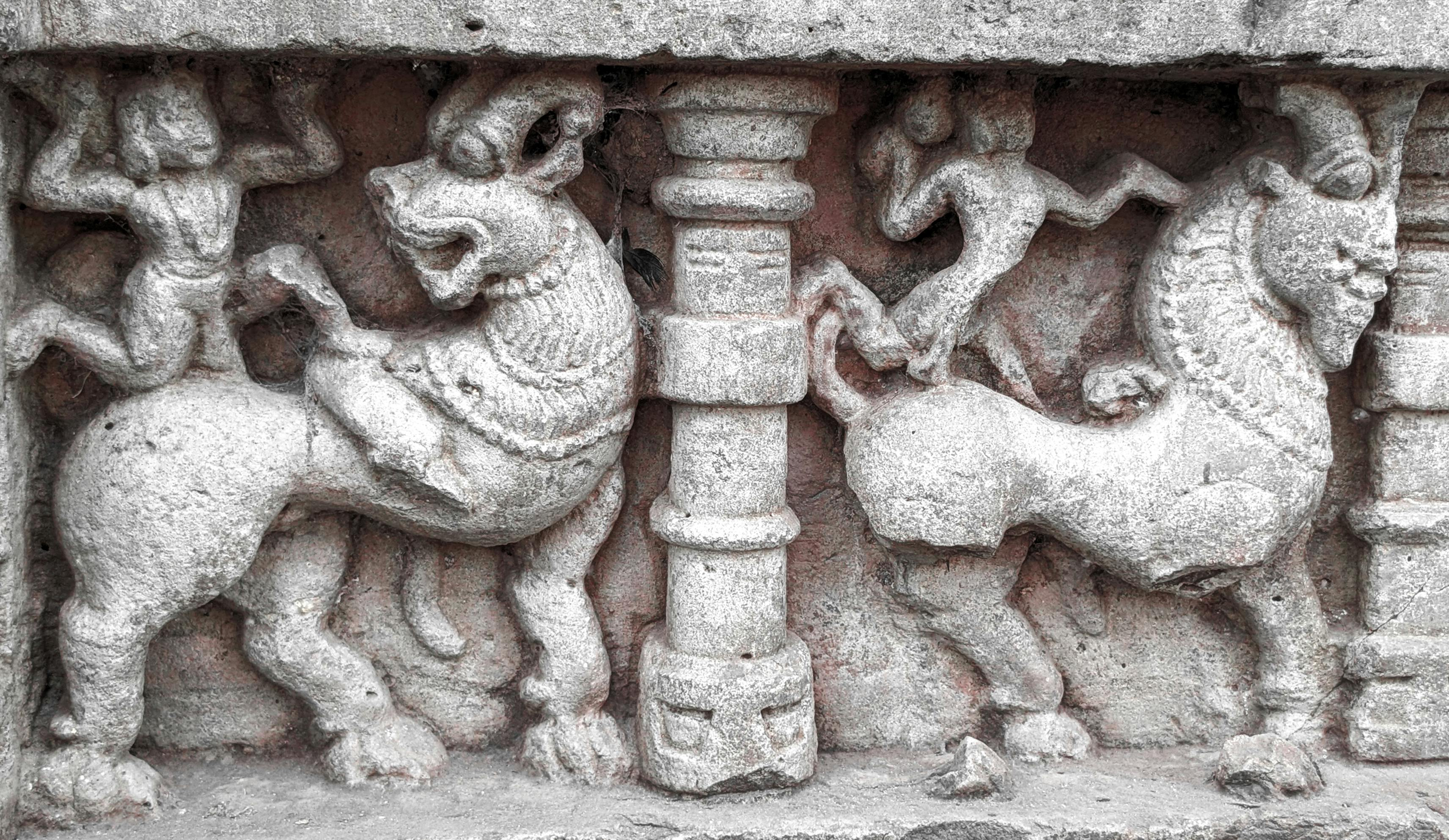
Across deserts, cliffs, and temple walls, ancient artists left behind vivid images of animals. Most carvings clearly represent familiar creatures—deer, birds, cattle, lions. But some are different. They show beings that do not match any known local species. These mysterious figures have puzzled archaeologists for decades.

What Are Petroglyphs and Reliefs?

Petroglyphs are images carved directly into rock surfaces, often found in open landscapes. Reliefs, on the other hand, are sculpted images that stand out from a flat background, commonly seen on temple walls and monuments.

From the American Southwest to Central Asia and Africa, both forms of art reveal animals with exaggerated horns, strange body shapes, or hybrid features—part reptile, part mammal, or even part human.

Real Animals, Lost Species, or Mythical Creatures?

There are three main possibilities:

1. Extinct Animals
Some carvings may represent animals that once lived in the region but later disappeared. Climate change and human hunting reshaped ecosystems thousands of years ago. An unusual carving might reflect real memory rather than imagination.

2. Cultural Symbolism
In many ancient societies, animals symbolized power, protection, or spiritual forces. For example, the hybrid creatures carved into the walls of Göbekli Tepe include animals that seem exaggerated or stylized. These may represent spiritual concepts rather than real wildlife.

3. Mythical or Composite Beings
Civilizations often imagined powerful creatures by combining known animals. In Mesopotamia, carved guardians such as those seen in Mesopotamia depict winged bulls with human heads. While inspired by real animals, these beings were symbolic protectors, not biological species.

Why These Carvings Matter

These depictions remind us that ancient people saw the world differently. They lived closer to nature, observed animals carefully, and used imagery to express beliefs, fears, and hopes. Unknown animals in stone carvings may not always be zoological mysteries—they may be windows into early human imagination and spirituality.

Rather than proving lost monsters, they prove something more important: creativity and meaning-making have always been part of the human story.

← The Ancient World’s First Environmental EngineersTraces of Mesolithic Clothing Recovered from Soil in Sweden →
Featured
image_2026-03-04_220113126.png
Mar 4, 2026
The Forgotten Animal Domestication Experiments
Mar 4, 2026
Read More →
Mar 4, 2026
image_2026-03-04_215932661.png
Mar 4, 2026
The Prehistoric Artists Who Painted the Stars
Mar 4, 2026
Read More →
Mar 4, 2026
image_2026-03-04_215848716.png
Mar 4, 2026
The First Diplomats and Peace Negotiators
Mar 4, 2026
Read More →
Mar 4, 2026
image_2026-03-04_213823163.png
Mar 4, 2026
Ancient Villages Built Beneath Giant Trees
Mar 4, 2026
Read More →
Mar 4, 2026
image_2026-03-04_212058300.png
Mar 4, 2026
The Stone Giants: Megaliths That Shouldn’t Be Movable
Mar 4, 2026
Read More →
Mar 4, 2026
image_2026-03-04_212021801.png
Mar 4, 2026
The Forgotten Desert Libraries of Antiquity
Mar 4, 2026
Read More →
Mar 4, 2026
read more

Powered by The archaeologist