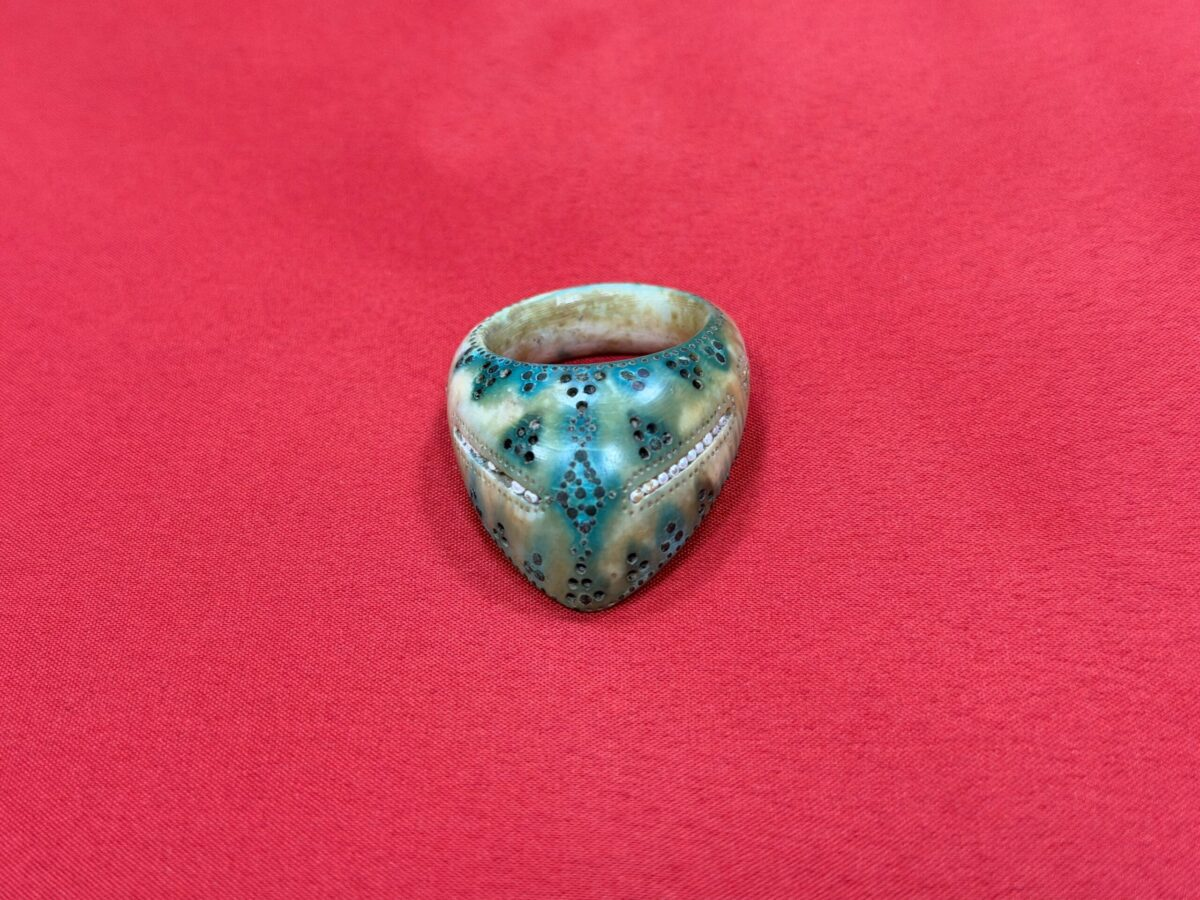
A rare and highly important archaeological find has been made at the ancient settlement of Hasankeyf, one of Anatolia’s most historically rich sites. As part of Türkiye’s Heritage for the Future Project (Geleceğe Miras Projesi), led by the General Directorate of Cultural Assets and Museums, archaeologists uncovered an exquisite Artuqid-period ivory archer’s ring (zihgir) dating from the 12th–13th centuries. This discovery sheds light on Artuqid court life, elite identity, and the sophistication of medieval Islamic craftsmanship.
Hasankeyf: A Historic Crossroads
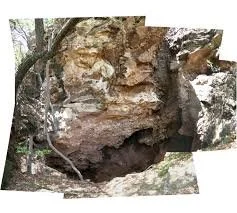
Located in southeastern Turkey’s Batman province along the Tigris River, Hasankeyf occupied a strategic position linking Mesopotamia and Anatolia, making it a vital center for trade, culture, and defense. The city lies roughly 30 kilometers south of modern Batman and is accessible from Mardin and Diyarbakır.
The dramatic cliffs and river valley contributed to Hasankeyf’s continuous occupation for nearly 12,000 years, hosting Romans, Byzantines, Artuqids, Ayyubids, and Ottomans. Its rock-cut dwellings, bridges, palaces, and mosques reflect this layered history. Under the Artuqid dynasty, the city became a major urban, political, and cultural center, with palaces and fortifications exemplifying the rulers’ wealth and artistic sensibility. The newly discovered ring reinforces Hasankeyf’s role as a hub of elite life and artistic production in the medieval Islamic world.
Discovery at the Artuqid Great Palace
The ivory zihgir was found during the 2025 excavation season at the southeastern corner of the Great Palace, a structure closely tied to Artuqid rulers. Excavations are led by Assoc. Prof. Dr. Zekai Erdal of Mardin Artuklu University’s Department of Art History, with a multidisciplinary team of specialists.
Located at the intersection of the palace walls, the ring’s context suggests a direct link to the ruling elite. Its placement within a palatial setting indicates that it was not merely a functional military item but a personal object of significance, likely owned by a high-ranking member of the Artuqid court.
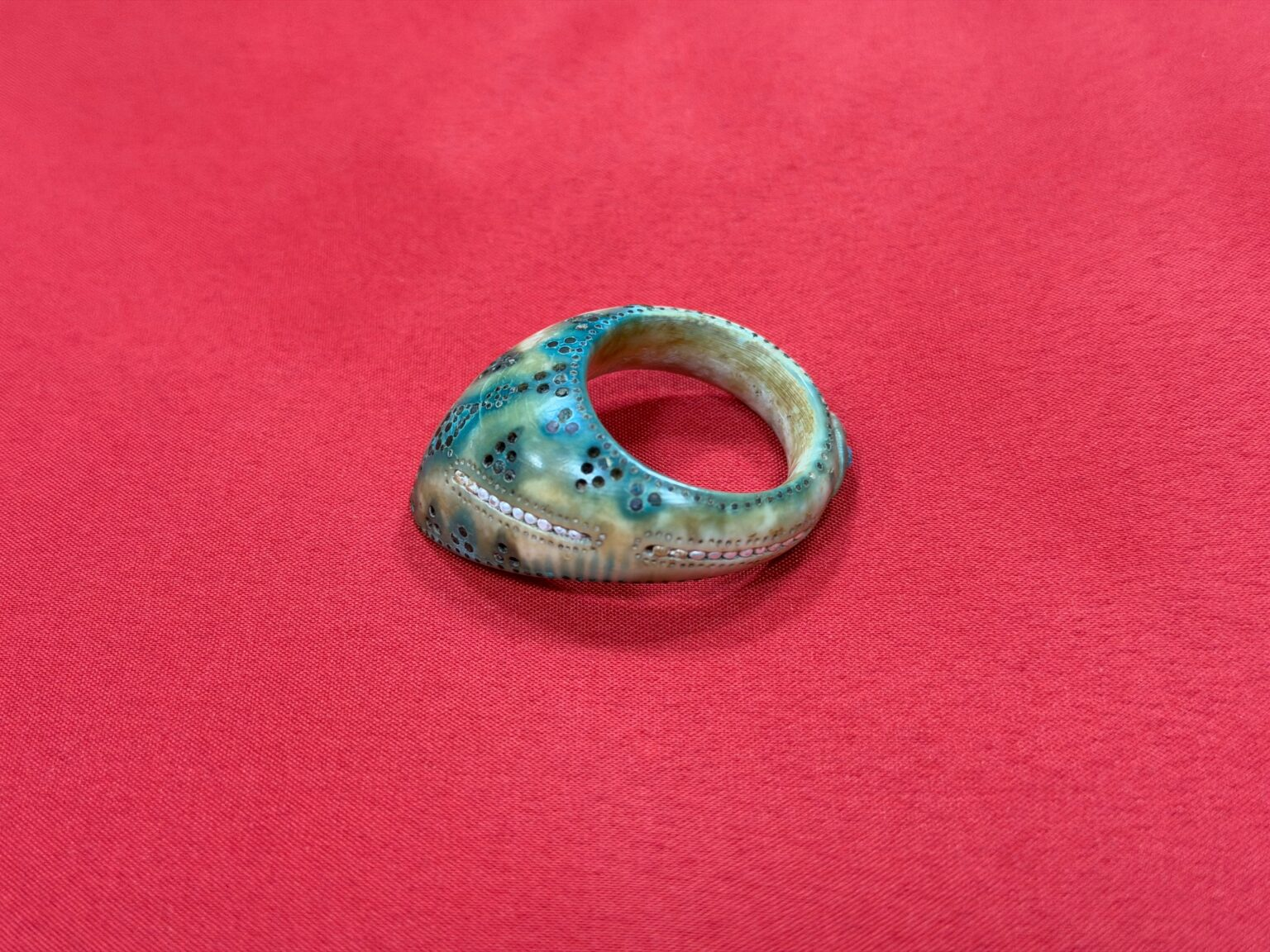
Small pearls are set in neat rows on both sides of the ring’s shield, while a turquoise stone is embedded into a diamond-shaped platform on the outer surface.
An Exceptional Ivory Zihgir
The archer’s ring is notable for both its ivory material and intricate decoration. In the medieval Islamic world, ivory was rare and expensive, typically reserved for luxury items that signified power and prestige. The Hasankeyf zihgir is further enhanced with pearls, turquoise, and silver inlays, showcasing an extraordinary level of craftsmanship.
Tiny pearls are arranged in neat rows along the sides of the ring’s shield, while a turquoise stone is set within a diamond-shaped platform on the outer surface. The finger opening features circular silver inlays, complemented by diagonal and triangular silver motifs along the body. At the center of the shield, a diamond-shaped silver design completes the composition, creating a harmonious geometric and decorative balance.
Archery, Status, and the Artuqids
In medieval Turkic and Islamic societies, archery was not only a military skill but also a sign of noble status. Worn on the thumb, the zihgir symbolized both martial ability and social rank. While simpler rings were used for practical purposes, highly decorated examples like the Hasankeyf piece functioned as status symbols, particularly within royal and aristocratic circles.
The use of precious materials and intricate design strongly indicates that this zihgir belonged to a member of the Artuqid dynasty or their close entourage. Experts suggest that it was likely intended for ceremonial display rather than practical use in battle.
A Unique Archaeological Discovery
Comparative research shows that no other pearl-inlaid zihgir has been recorded, making this find unique among known Islamic archer’s rings. While luxury examples crafted from valuable materials exist in collections such as the Topkapı Palace Museum Treasury, the Hasankeyf artifact represents an unmatched combination of form, material, and decoration.
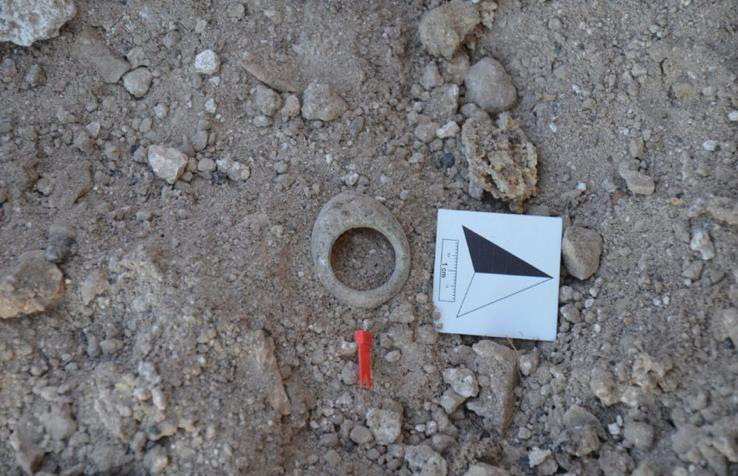
The Artuqid ivory archer’s ring (zihgir) as discovered during the 2025 Hasankeyf excavations, before cleaning and restoration, showing its original archaeological context.
Preserving Hasankeyf’s Heritage
The discovery underscores the value of continued archaeological work at Hasankeyf and the role of national heritage projects in safeguarding Türkiye’s cultural legacy. As conservation and academic study progress, the Artuqid zihgir is poised to become an important reference for research on Islamic art, medieval court life, and archery traditions.
This rare artifact serves as a striking testament to Hasankeyf’s lasting historical importance and the artistic refinement of the Artuqid period.