Introduction
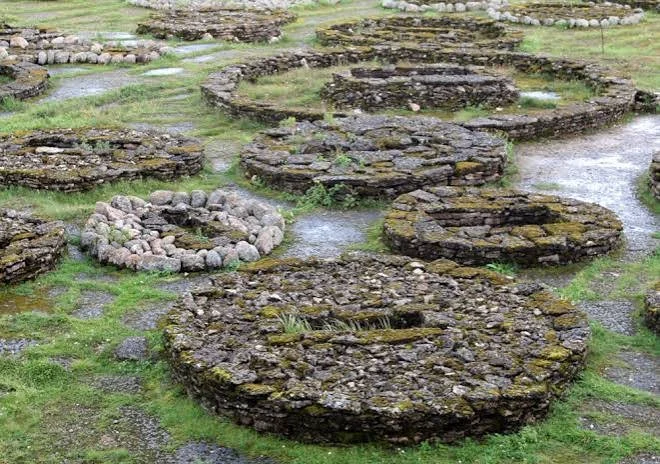
Valsgärde is one of the most remarkable burial sites in Sweden and one of the finest archaeological sources for understanding elite Scandinavian culture before and during the early Viking Age.
Located near the Fyris River in Uppland, Valsgärde contains numerous richly equipped graves, including several famous boat burials.
The site reveals a society in which elite identity was expressed through ships, weapons, horses, clothing, imported goods, craftsmanship, and elaborate funerary rituals.
Its archaeological importance lies partly in the exceptional preservation of objects.
Although much of the organic material decayed, many metal fittings, weapons, tools, and decorative objects survived.
Together they provide an extraordinary picture of elite life.
The Boat Graves
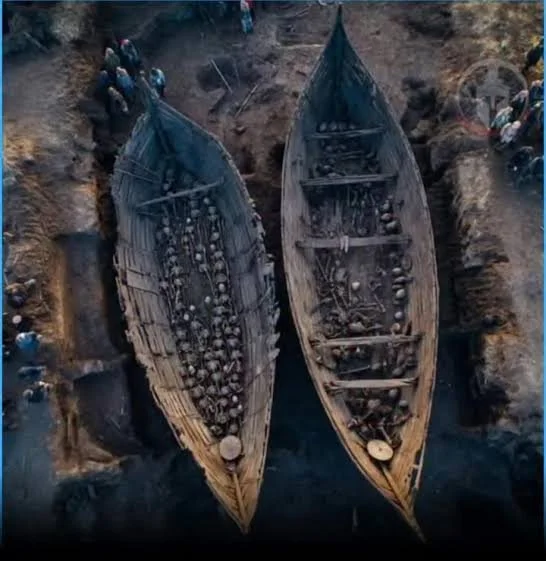
The most famous burials at Valsgärde involved boats.
The deceased were placed inside vessels accompanied by extensive grave goods.
These boats were not necessarily intended to function as literal transportation into another world in a simplistic sense.
Instead, they could symbolize mobility, status, military capability, and connection with maritime culture.
The vessel itself became part of the funeral monument.
Weapons of the Elite
The graves contained sophisticated weapons.
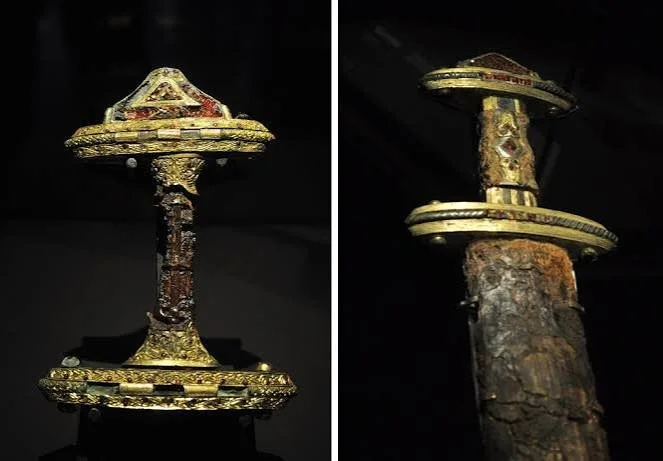
Swords were among the most prestigious possessions.
Their manufacture required advanced ironworking skills.
Spears and shields were also common.
The combination of weaponry suggests that the buried individuals belonged to a warrior elite.
However, these objects also served as social symbols.
A decorated weapon could communicate rank even when it was not being used in combat.
Helmets and Protection
Valsgärde is especially important because of its helmets.
Some are decorated with elaborate imagery and constructed using complex metalworking techniques.
Helmets were expensive and difficult to manufacture.
They required skilled specialists capable of forming metal plates, attaching fittings, and producing decorative components.
Their presence indicates access to significant resources.
Horses and Hunting
Several burials included equipment associated with horses and hunting.
Elite hunting was more than recreation.
It could demonstrate physical skill, access to land, control of animals, and aristocratic identity.
Horses similarly represented wealth and mobility.
The inclusion of these objects suggests that elite identity involved more than warfare.
It encompassed the broader lifestyle of an aristocratic warrior.
Clothing and Personal Equipment
Although textiles generally survive poorly, traces and metal fittings can provide information about clothing.
Brooches, buckles, mounts, and other objects indicate how garments were constructed and decorated.
Personal objects also provide clues about gender, status, occupation, and cultural connections.
The grave therefore becomes a partial inventory of an individual's social identity.
Imported Objects
Valsgärde's finds demonstrate long-distance connections.
Some objects and materials have parallels outside Sweden.
These connections show that Scandinavian elites participated in networks stretching across the Baltic and beyond.
Trade was only one mechanism.
Objects could also move through diplomatic gift exchange, marriage alliances, raiding, and migration.
The River and the Landscape
Valsgärde's location near the Fyris River was significant.
Waterways were essential transportation routes.
They connected settlements, agricultural regions, trading centers, and political sites.
The proximity of major elite centers in the wider Uppland landscape suggests that Valsgärde belonged to a politically important region.
Funerary Ritual
A boat burial required substantial preparation.
The community had to organize the construction or preparation of the grave, transport the deceased, assemble the grave goods, and conduct the ceremony.
The funeral could involve large gatherings.
Feasting and public displays of wealth may have accompanied burial.
The ceremony would have reinforced relationships among the living while commemorating the dead.
Religion and the Afterlife
The arrangement of grave goods provides clues about beliefs concerning death.
Weapons, horses, boats, food-related objects, and personal possessions may indicate ideas about continued identity after death.
However, archaeologists must avoid assuming that every grave object had a straightforward religious meaning.
Some objects may have been symbolic.
Others may have represented social status.
Others could simply have been personal possessions.
The meaning of a burial was likely complex.
Valsgärde and Viking Culture
Valsgärde demonstrates that many features associated with Viking Age culture had already developed before the Viking Age reached its traditional beginning.
Boat burial traditions, warrior aristocracies, elite craft production, international exchange, and animal-style art were already established.
The Viking Age was therefore an acceleration and expansion of earlier Scandinavian developments rather than an entirely new civilization.
Archaeological Preservation
Valsgärde is particularly valuable because archaeological excavations recovered large collections of objects.
Metal objects can survive for more than a millennium under favorable conditions.
Organic materials are more vulnerable.
Nevertheless, traces of wood, textiles, leather, and other materials can sometimes survive sufficiently to reveal details of construction.
Modern archaeological analysis can extract information from even tiny fragments.
Conclusion
Valsgärde provides a detailed portrait of Scandinavian elite society before and during the early Viking Age.
Its boats symbolize mobility.
Its weapons represent warrior status.
Its helmets reveal sophisticated craftsmanship.
Its horses demonstrate wealth and aristocratic identity.
Its imported objects demonstrate international connections.
Its graves demonstrate the enormous social importance of funerary ceremony.
The site reminds us that Viking civilization was built upon centuries of cultural development.
The ships and warriors later associated with Viking expansion did not emerge from nowhere.
Their roots can be seen in the elite communities represented by Valsgärde.