Beit Bin Nouh by Shahira Fahmy is a captivating rebirth of a traditional mud brick home in AlUla, Saudi Arabia - which won it a place in our trio of Best Use of Material winners at the Wallpaper* Design Awards 2026
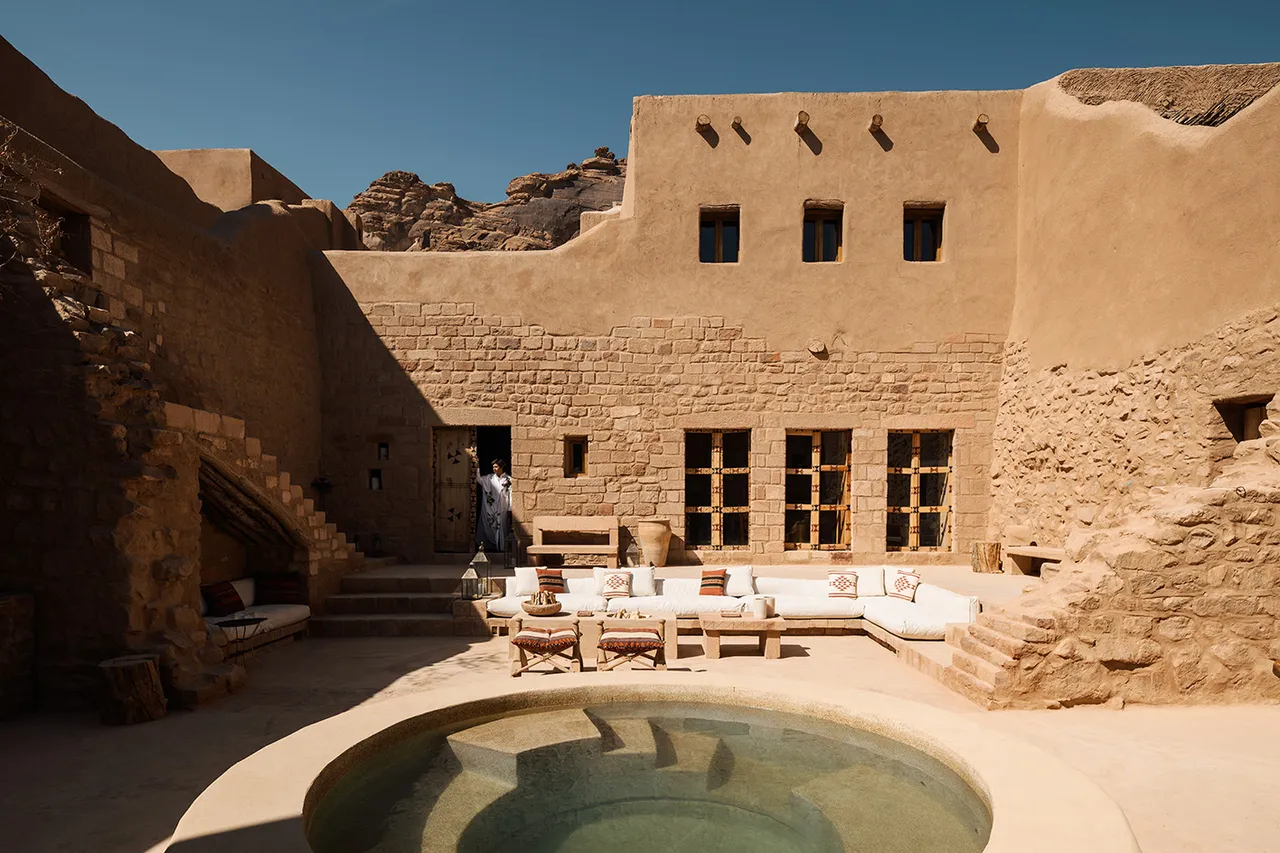
Once home to over 1,000 people at its peak, the ancient Arabian city of AlUla was left deserted in the 1980s after residents relocated to a newly built town centre nearby. The site contains hundreds of mud-brick homes clustered around a fortress dating back to the tenth century, set within a valley now celebrated for its rich archaeological heritage. This includes the Nabataean city of Hegra—Saudi Arabia’s first UNESCO World Heritage Site—the ancient kingdom capital of Dadan, and the rock inscriptions found at Jabal Ikmah.
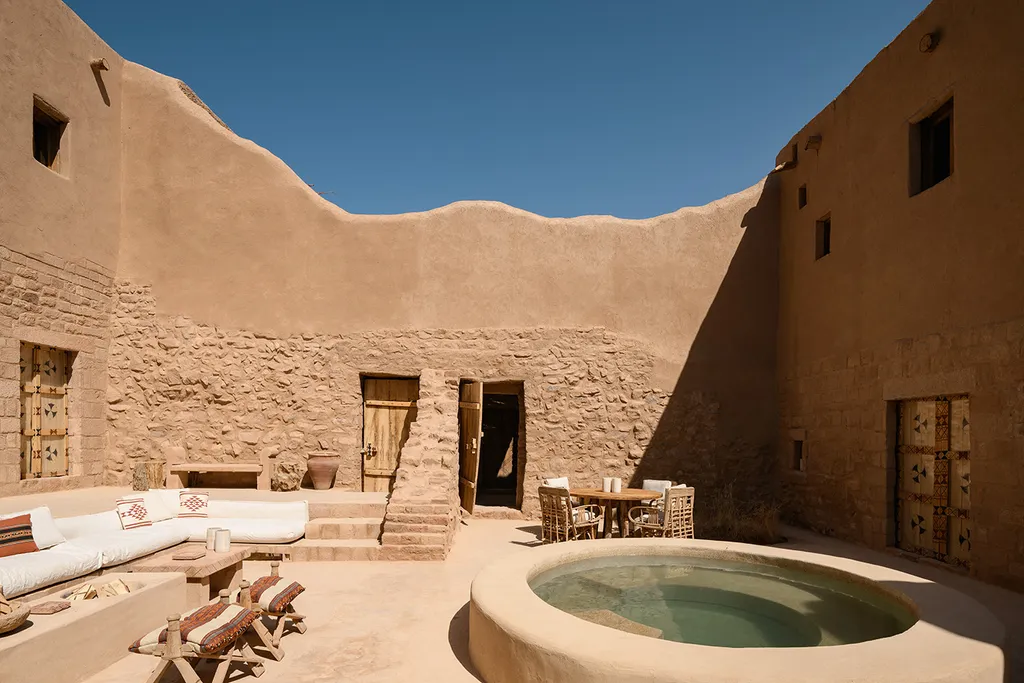
Discover Beit Bin Nouh, Saudi Arabia, by Shahira Fahmy
The old town has become the focus of a heritage-led regeneration project spearheaded by the Royal Commission for AlUla (RCU). The initiative aims to revive the area through sensitive conservation efforts and the introduction of new cultural activities. Tucked within the intricate network of narrow alleyways that date back to the 12th century is Dar Tantora, a hotel restored in 2021 by Egyptian architect Shahira Fahmy, who employed traditional building techniques and passive cooling strategies in the project.
While she was working on Dar Tantora, Fahmy was contacted by a long-standing client from a family renowned for major developments across the Middle East. He wanted to transform a ruin in the old town into a private residence. “He told me that I wouldn’t truly understand the place unless I visited it,” Fahmy recalls. “No drawing could convey what exists there.”
The site was essentially an empty space created from the remains of two former houses. Locally, it was known as Beit Bin Nouh, named after the family who once used the area as an open courtyard for social gatherings.
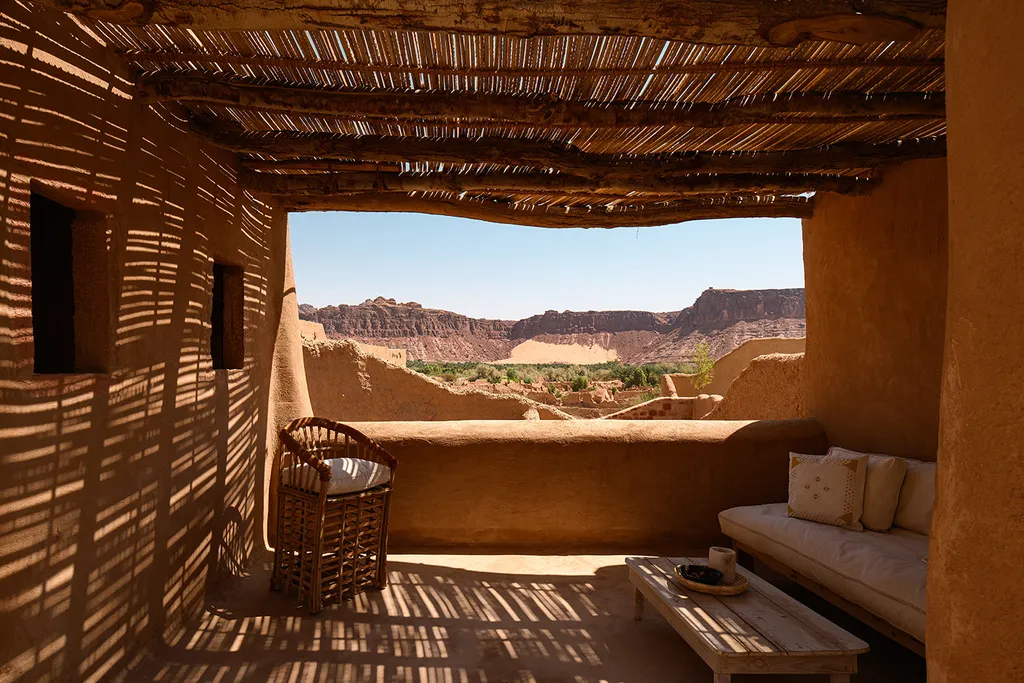
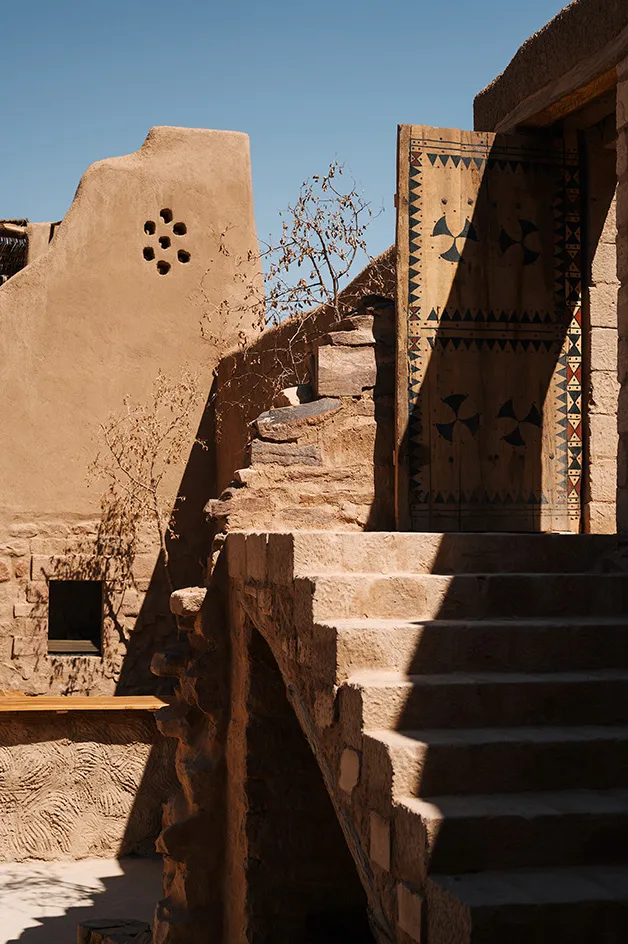
The mud-brick homes shared a common design seen throughout the old town. The ground floor typically contained three rooms for work, cooking, and storage, while the upper level was reserved for sleeping and family activities. This straightforward layout was closely adapted to the local environment. Thick stone foundations protected the buildings from flash floods, while mud bricks made from local soil, clay, and straw helped insulate the interiors. Small windows reduced heat gain, narrow alleyways provided shade, and inner courtyards allowed air to circulate and cool the spaces.
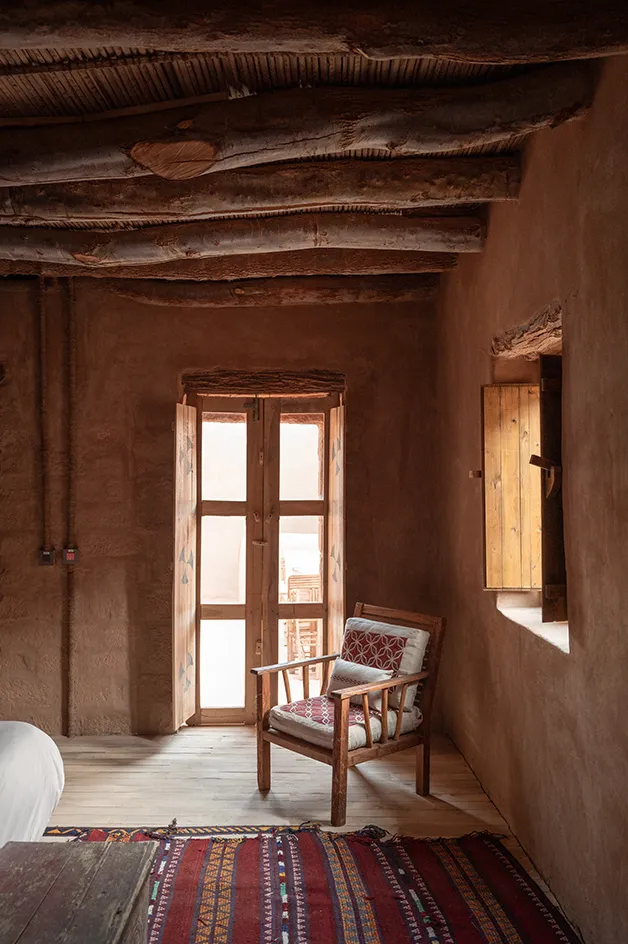
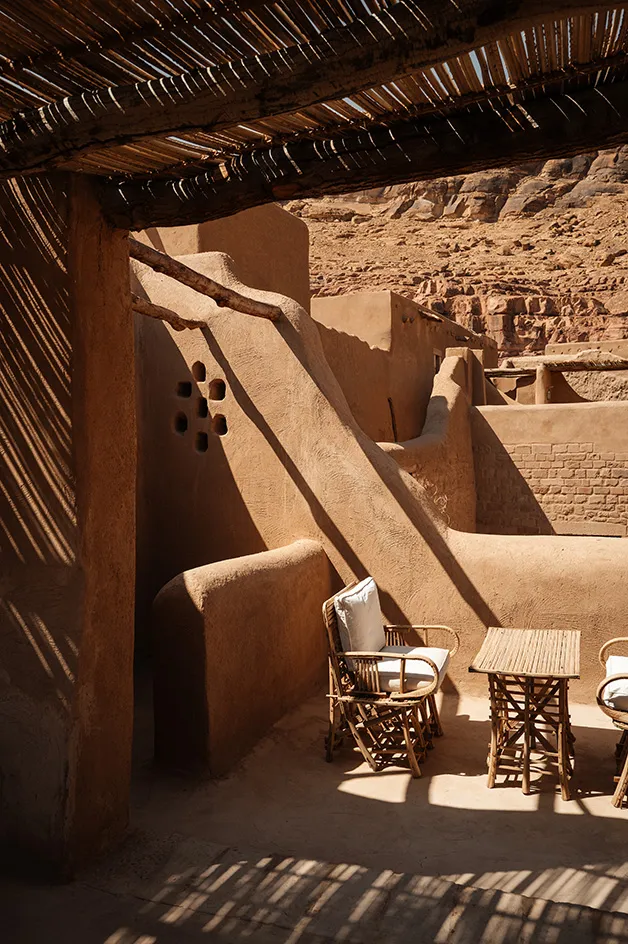
Fahmy’s team carefully studied the site’s topography, mapping original floor levels, thresholds, and movement patterns to ensure the reconstructed buildings honored the logic of the old homes. “It was technical, philosophical, and emotional. The bricks had to come from AlUla, and making them connects you to the labor of those who originally built this town,” Fahmy explains. Her experience with past restoration projects, especially in Cairo, has honed her sensitivity to historic architecture and cultural context.
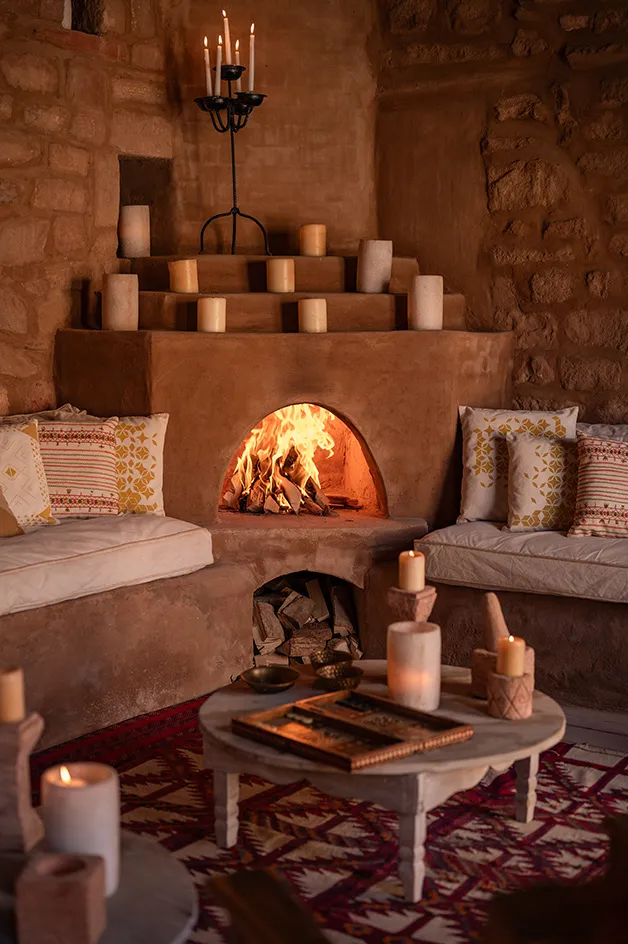
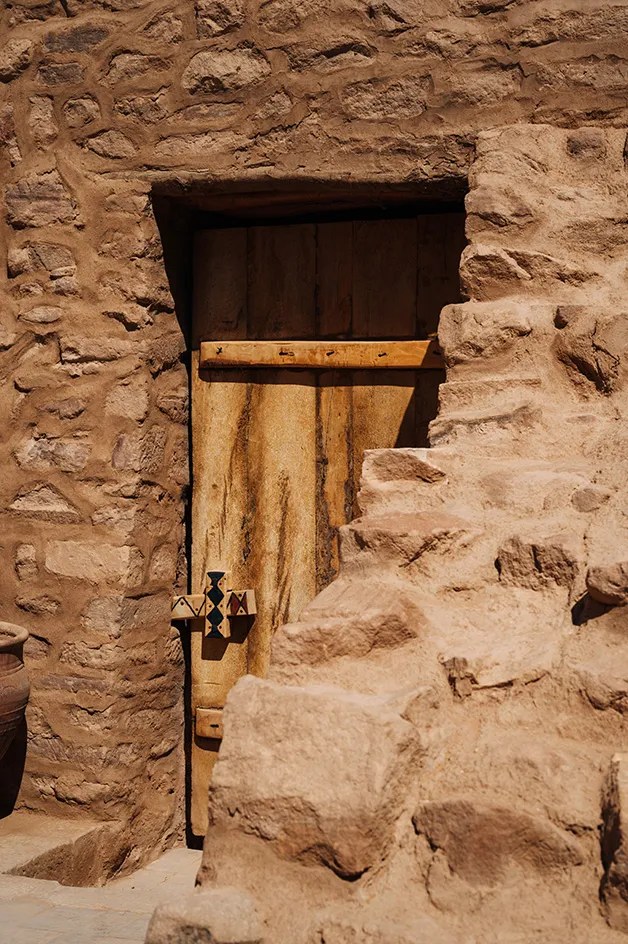
Every material and design decision reflects the building’s connection to its environment and traditional construction techniques. Stone was quarried from RCU-approved sites; tamarisk wood beams and door frames were treated with natural oils instead of chemicals; and ceilings were lined with woven palm fronds to allow airflow. Modern infrastructure was kept outside the historic walls, with pipes and wiring wrapped in palm rope, while parts of the ancient qanat system of underground water channels were restored to manage drainage and conserve water.
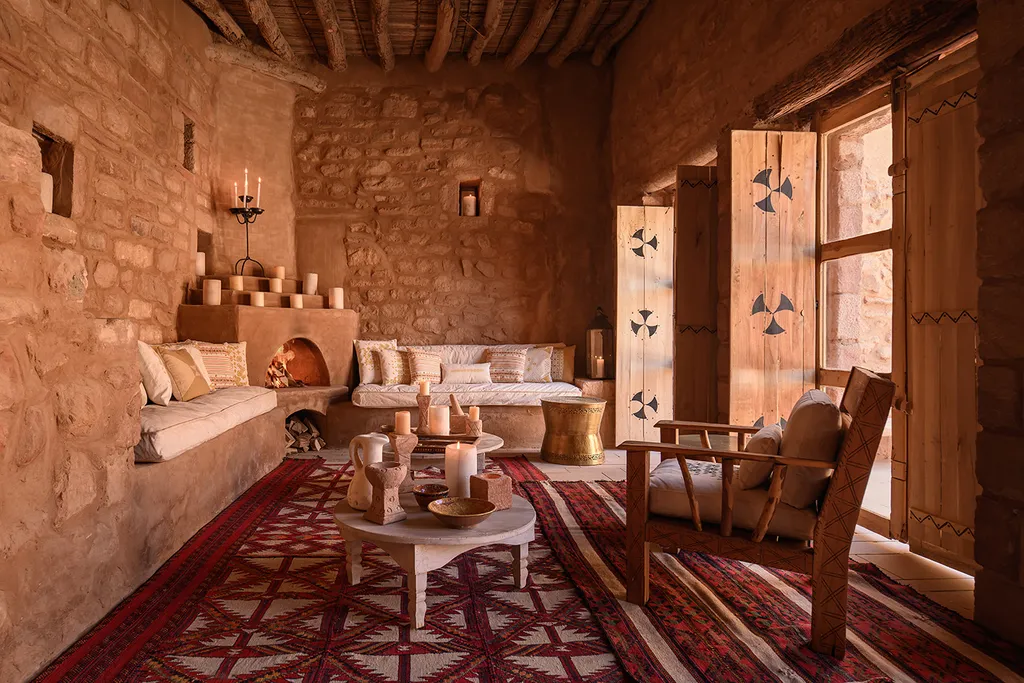
“The first lesson was about sustainability,” Fahmy explains. “We learned from the site itself—how water was managed, the materials used, and how people adapted to the climate.” Consequently, Beit Bin Nouh stands as a remarkable example of how traditional earth construction, guided by the logic of the original site, can bring a historic home into the modern era while preserving its character.