Georgia Trust Highlights 10 Endangered Historic Sites in 2026 “Places in Peril” List
“Places in Peril is about awareness and opportunity,” said W. Wright Mitchell, president and CEO of the Georgia Trust for Historic Preservation. “This is the Trust’s 21st annual list, and we hope it continues to bring preservation solutions to Georgia’s most at-risk historic sites by highlighting ten representative locations.”
The annual Places in Peril program draws attention to Georgia’s significant historic, archaeological, and cultural resources—ranging from buildings and districts to cemeteries and cultural landscapes—that are threatened by demolition, neglect, inadequate maintenance, or inappropriate development.
Progress on Past Sites
Several previously listed Places in Peril sites have seen encouraging updates:
Eleanor Roosevelt School, Warm Springs: The country’s last constructed Rosenwald School is now undergoing its second phase of rehabilitation.
Piney Grove Cemetery, Atlanta: A Fulton County judge ordered a condominium homeowners association to maintain the historic African American burial ground and allow public access.
Cross Roads Rosenwald School, Dixie: Added to the National Register of Historic Places, making it eligible for grants and tax credits.
Central State Hospital, Milledgeville: A $40 million redevelopment deal will rehabilitate the Jones, Green, and Walker buildings for apartments and mixed housing.
1939 Kit Jones Boat, Darien: Restored and permanently installed in a park with a Georgia Historical Society marker commemorating nearly 90 years of maritime history.
2026 Places in Peril Sites
1. Boggs Rural Life Center, Keysville (Burke County)
Founded in 1906, Boggs Academy was a nationally respected boarding school educating African American students. Today, deferred maintenance and failing roofs threaten several historic campus buildings, placing this important rural landmark at risk.
2. Civilian Conservation Corps Camp, Hard Labor Creek State Park, Rutledge (Morgan County)
Established in 1934, this is Georgia’s last surviving CCC camp and one of few remaining nationwide. Limited funding, structural deterioration, and vandalism now place the site in peril.
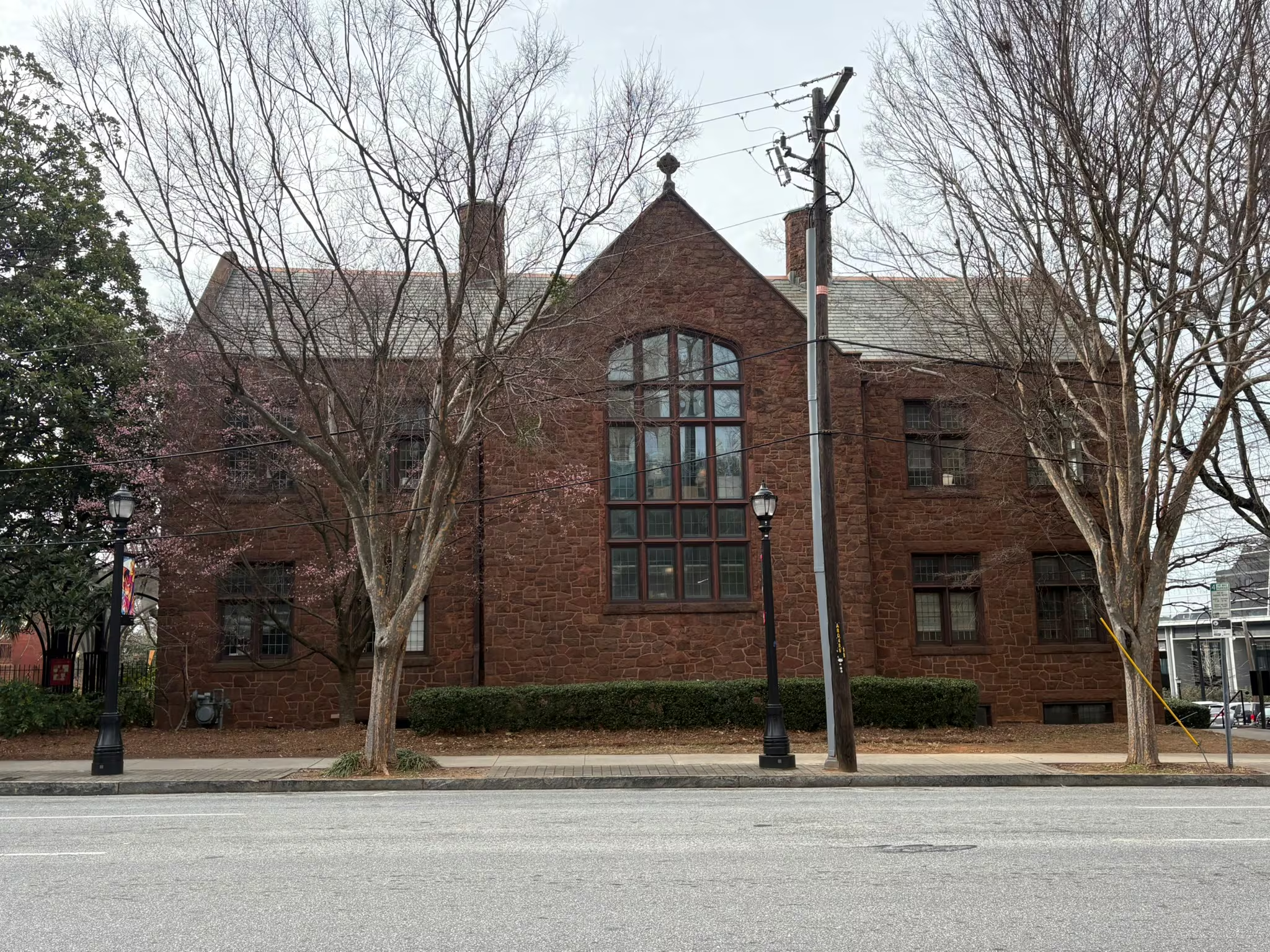
3. Egleston Hall, All Saints’ Episcopal Church, Atlanta (Fulton County)
This 1918 Gothic Revival building features a horseshoe-shaped Akron Plan design used historically for education and performance. Structural impacts from nearby construction and redevelopment planning put this architecturally significant resource at risk.
4. Legion Pool, University of Georgia, Athens (Clarke County)
A WPA-era recreational landmark opened in 1936, Legion Pool has long been a gathering place for students and the Athens community. Demolition plans for expanded green space and parking place the pool in jeopardy, despite its eligibility for the National Register.
5. McCranie Turpentine Still, Willacoochee (Atkinson County)
Built in 1936, this is the last intact, wood-burning turpentine still in Georgia, representing the state’s naval stores industry. Storm damage, ongoing deterioration, and limited funding threaten the site.
6. Orange Hall, St. Marys (Camden County)
A mid-19th-century Greek Revival building and the most architecturally significant historic property in St. Marys. Long-term structural issues and deferred maintenance place this civic landmark at risk.
7. Salem Campground, Covington (Newton County)
Dating back to 1828, Salem Campground is one of Georgia’s oldest religious camp meeting sites. Historic tents and a 1854 tabernacle face threats from aging structures and ground settlement.
8. Thomas L. Bell Memorial Ballpark, Americus (Sumter County)
Opened in 1938, this WPA-era wooden baseball stadium has been central to local sports and community life. New athletic facilities leave its future uncertain.
9. Union Brothers and Sisters Mission Hall, Meridian (McIntosh County)
Founded in 1887 by formerly enslaved African Americans, this Gullah Geechee community hall served as a center for mutual aid, education, and cultural life. Coastal weather exposure and vacancy now endanger the building.
10. Wayne County Courthouse, Jesup (Wayne County)
Built in 1902–03 in Romanesque Revival style, the courthouse suffered fire and water damage in 2025. The historic civic building now requires stabilization and restoration efforts.
About the Georgia Trust for Historic Preservation
Founded in 1973, the Georgia Trust is a leading statewide nonprofit dedicated to preserving and revitalizing Georgia’s historic resources. The organization:
Raises awareness through the Places in Peril program
Recognizes outstanding preservation via annual Preservation Awards
Supports students and professionals through the Neel Reid Prize and Liz Lyon Fellowship
Provides grants for historic property preservation
Offers educational programs for adults and children
Provides technical assistance to property owners and communities
Advocates for preservation-friendly laws, funding, and tax incentives
Manages two historic house museums: Rhodes Hall (Atlanta) and Hay House (Macon)
Through advocacy, education, and hands-on preservation efforts, the Georgia Trust continues to protect the state’s historic and cultural heritage for future generations.