• MAIN PAGE
  • LATEST NEWS
    • Lost Cities
    • Archaeology's Greatest Finds
    • Underwater Discoveries
    • Greatest Inventions
    • Studies
    • Blog
  • PHILOSOPHY
  • HISTORY
  • RELIGIONS
    • Africa
    • Anatolia
    • Arabian Peninsula
    • Balkan Region
    • China - East Asia
    • Europe
    • Eurasian Steppe
    • Levant
    • Mesopotamia
    • Oceania - SE Asia
    • Pre-Columbian Civilizations of America
    • Iranian Plateau - Central Asia
    • Indus Valley - South Asia
    • Japan
    • The Archaeologist Editor Group
    • Scientific Studies
    • Aegean Prehistory
    • Historical Period
    • Byzantine Middle Ages
    • Predynastic Period
    • Dynastic Period
    • Greco-Roman Egypt
  • Rome
  • PALEONTOLOGY
  • About us
Menu

The Archaeologist

  • MAIN PAGE
  • LATEST NEWS
  • DISCOVERIES
    • Lost Cities
    • Archaeology's Greatest Finds
    • Underwater Discoveries
    • Greatest Inventions
    • Studies
    • Blog
  • PHILOSOPHY
  • HISTORY
  • RELIGIONS
  • World Civilizations
    • Africa
    • Anatolia
    • Arabian Peninsula
    • Balkan Region
    • China - East Asia
    • Europe
    • Eurasian Steppe
    • Levant
    • Mesopotamia
    • Oceania - SE Asia
    • Pre-Columbian Civilizations of America
    • Iranian Plateau - Central Asia
    • Indus Valley - South Asia
    • Japan
    • The Archaeologist Editor Group
    • Scientific Studies
  • GREECE
    • Aegean Prehistory
    • Historical Period
    • Byzantine Middle Ages
  • Egypt
    • Predynastic Period
    • Dynastic Period
    • Greco-Roman Egypt
  • Rome
  • PALEONTOLOGY
  • About us

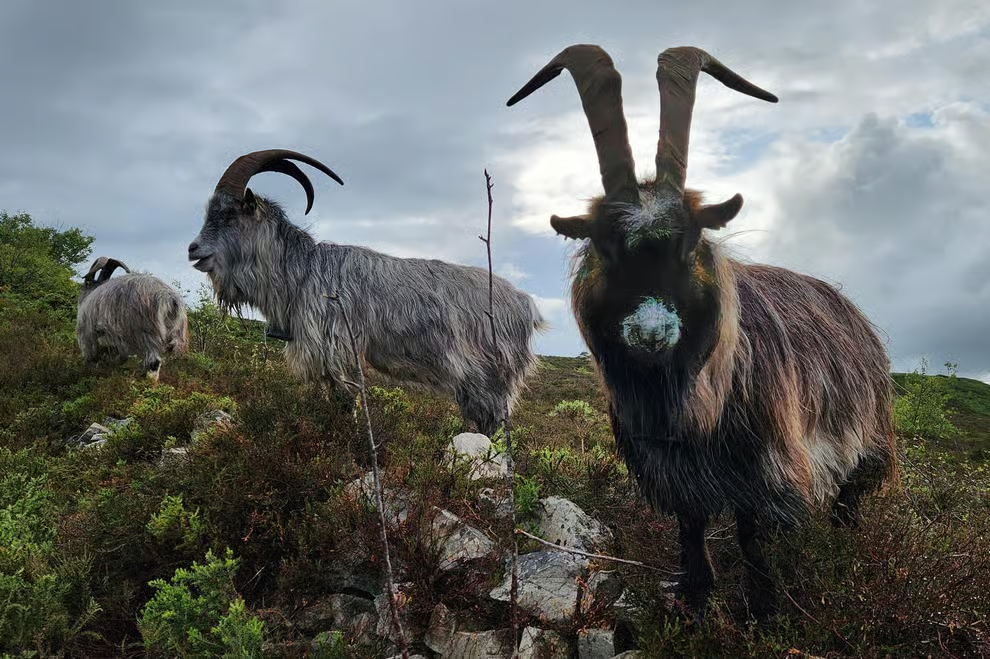
The Old Irish Goat still survives today in wild herds on marginal land across the island of Ireland.

The Old Irish Goat has been found to have DNA closely linked to ancient goat remains found in Armagh and Carrickfergus.

Research confirms Old Irish Goat herds today are closely related to 3000 year old goats in Armagh and Carrickfergus

February 26, 2026

Old Irish Goats Linked to Ancient Irish Farming Through DNA

New research confirms what local communities and conservationists have long suspected: the Old Irish Goat is a living connection to Ireland’s ancient past. DNA evidence shows that this critically endangered breed is directly linked to goats that lived on the island over 3,000 years ago.

A Living Heritage

Historically known as “an Gabhar Fiáin” or the wild goat, the Old Irish Goat has been a staple of Irish folklore for centuries. Today, surviving in small, feral herds, the breed symbolizes resilience, wisdom, and rural life, valued for its hardiness, ability to survive on marginal land, and nutrient-rich milk.

The new study, led by University College Dublin (UCD) in collaboration with Queen’s University Belfast (QUB) and international partners, highlights the breed’s significance as a living relic of ancient Irish farming communities.

Ancient Connections Confirmed

Researchers analyzed goat remains from two key archaeological sites:

  • Haughey’s Fort, Co. Armagh (Late Bronze Age, c. 1100–900 BC)

  • Medieval Carrickfergus, Co. Antrim

Radiocarbon dating, genetic, and protein analyses confirm these remains are the oldest goat remains identified in Ireland. DNA comparisons reveal that both the Bronze Age and medieval goats are most closely related to today’s Old Irish Goats, demonstrating over three millennia of genetic continuity.

Modern Implications for Conservation

Sinead Keane of The Old Irish Goat Society emphasized the study’s importance:

“This research provides scientific validation that the Old Irish Goat is a living piece of our ancient heritage. It underscores the urgency of protecting this critically endangered breed, which carries a living genetic record of Ireland’s past.”

While medieval goat populations showed varied genetics, the modern Old Irish Goat displays signs of inbreeding, reflecting a dramatic population decline in recent decades.

Insights from the Researchers

  • Assistant Professor Kevin Daly (UCD) highlighted that combining genetics, proteomics, and archaeology provides a window into ancient livestock and their continuity to today.

  • Professor Eileen Murphy (QUB) noted historical records suggesting goats were kept for trade, particularly in skins exported from ports like Carrickfergus.

  • Dr. Jolijn Erven pointed out that despite thousands of years, changing farming practices, and recent decline, Old Irish Goats retain a remarkable genetic link to their ancestors.

The research honors Dr. Judith Findlater (QUB), who contributed key research on Medieval Carrickfergus but passed away before the study’s publication.

Conclusion

The Old Irish Goat is more than a rare breed; it is a living testament to Ireland’s agricultural history, connecting modern landscapes with the practices and communities of the Bronze Age and medieval periods. Protecting this breed is not only vital for biodiversity but also preserves a unique genetic and cultural legacy spanning over 3,000 years.
← Mass Grave of Women and Children Shows Brutality of Iron Age Culture40,000-year-old missing chapter in human history revealed in major finding →
Featured
image_2026-02-26_124441857.png
Feb 26, 2026
Mass Grave of Women and Children Shows Brutality of Iron Age Culture
Feb 26, 2026
Read More →
Feb 26, 2026
image_2026-02-26_123149804.png
Feb 26, 2026
Research confirms Old Irish Goat herds today are closely related to 3000 year old goats in Armagh and Carrickfergus
Feb 26, 2026
Read More →
Feb 26, 2026
image_2026-02-26_122357014.png
Feb 26, 2026
40,000-year-old missing chapter in human history revealed in major finding
Feb 26, 2026
Read More →
Feb 26, 2026
image_2026-02-26_122143279.png
Feb 26, 2026
Durham Uni announces a new partnership with Historic England
Feb 26, 2026
Read More →
Feb 26, 2026
image_2026-02-26_121020248.png
Feb 26, 2026
Syria, Egypt discuss expanding tourism cooperation
Feb 26, 2026
Read More →
Feb 26, 2026
image_2026-02-26_115755652.png
Feb 26, 2026
Georgia Trust for Historic Preservation Announces Its 2026 List of State's 10 Places in Peril
Feb 26, 2026
Read More →
Feb 26, 2026
read more

Powered by The archaeologist