Strength, Discipline, and Power
Throughout ancient history, certain societies became known for their warrior culture—groups in which combat, discipline, and honor shaped daily life. These warrior societies did not simply fight wars; they built entire systems around training, loyalty, and strength.
From the militarized culture of Sparta to the disciplined legions of Ancient Rome, these groups played a major role in shaping political power and territorial expansion.
Social Structure and Hierarchy
Warrior societies were often highly organized.
At the top were leaders—kings, generals, or chiefs—who commanded armies and made strategic decisions. Below them were trained warriors, ranked by experience, skill, and achievement.
In many cultures, becoming a warrior required initiation rites, proving strength, courage, and loyalty to the group.
Training and Discipline
Training began early and was often intense.
Young members were taught physical endurance, combat techniques, and survival skills. Discipline was essential, as warriors needed to function as a coordinated unit during battle.
In places like Sparta, training was lifelong, shaping not only military ability but also personal identity.
Weapons and Warfare
Weapons defined the effectiveness of these societies.
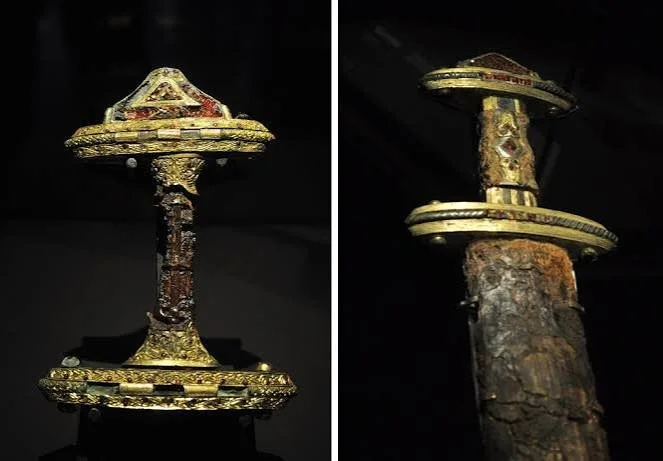
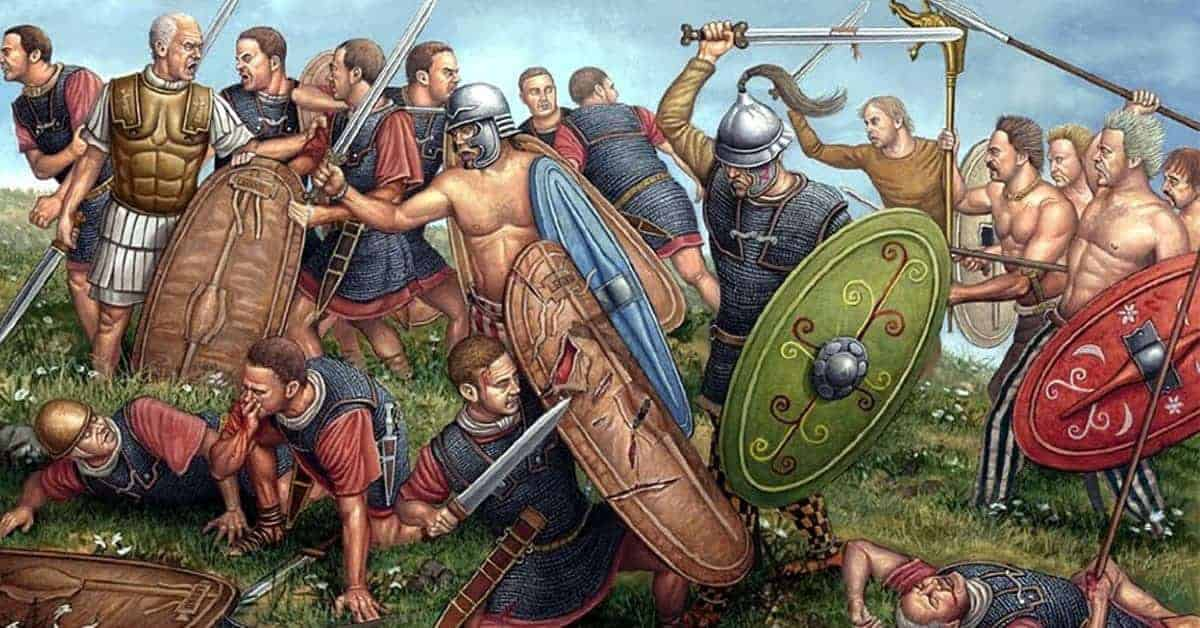
Swords, spears, shields, and later metal armor became standard tools of warfare. The design and quality of these weapons often determined success in battle.
Warrior societies also developed strategies and formations, making warfare more organized and tactical.
Cultural Identity
Warrior values extended beyond the battlefield.
Honor, bravery, and loyalty were celebrated in stories, rituals, and traditions. Warriors were often seen as protectors of their people and symbols of strength.
Lasting Influence
The legacy of these societies can still be seen in modern military systems.
Their emphasis on training, hierarchy, and discipline continues to shape how armies operate today.