A Story Shared Across the World
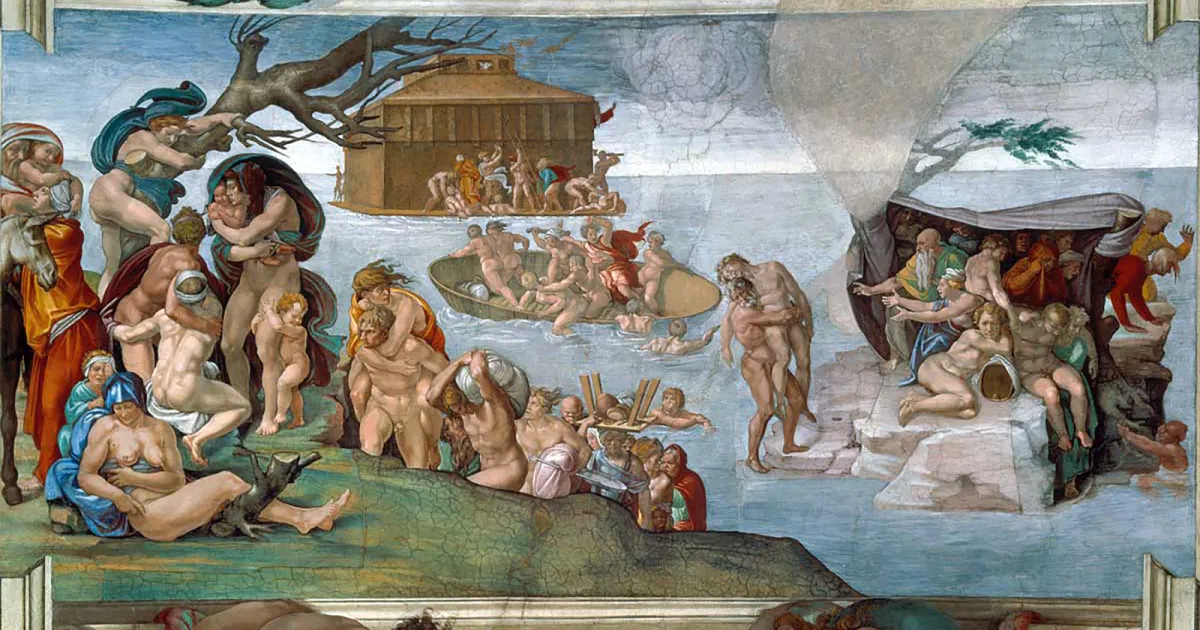
One of the most widespread and enduring stories in human history is the myth of a great flood. Across continents and civilizations, ancient cultures told remarkably similar tales of a catastrophic deluge that swept across the land, destroying much of humanity and reshaping the world.
What makes these stories especially fascinating is not just their dramatic nature, but their consistency. Despite vast distances and cultural differences, many societies developed flood myths with shared themes—divine warning, survival against overwhelming odds, and the beginning of a new world.
These parallels suggest that the story of a great flood holds a deep and universal place in human imagination and memory.
Global Variations
Flood myths appear in regions such as Mesopotamia, India, China, and across the Americas.
One of the earliest known written versions comes from Mesopotamia, in texts like the Epic of Gilgamesh. In this story, a man named Utnapishtim is warned by the gods about an approaching flood and instructed to build a vessel to save himself, his family, and living creatures.
In the Indian tradition, the figure of Manu is similarly warned of a great flood and guided to safety. In Chinese mythology, stories speak of great floods that required heroic efforts to control and restore balance.
Across these versions, the pattern remains consistent: a chosen individual receives a warning, prepares for disaster, survives the flood, and helps restore life afterward.
Shared Narrative Elements
Although details vary, most flood myths include several key elements:
A divine or natural cause for the flood
A warning given to a specific individual or group
The construction of a vessel or refuge
The preservation of life, often including animals or seeds
A renewal or rebuilding of the world after the flood
These recurring elements suggest a shared narrative structure that may have been shaped by common human experiences or psychological patterns.
Symbolism
Flood myths are rich in symbolism and meaning.
At their core, they often represent destruction and renewal. The flood itself symbolizes chaos—an overwhelming force that wipes away the old world. In contrast, the survival of a few individuals represents hope, resilience, and the possibility of new beginnings.
These stories reflect natural cycles observed by ancient societies: floods that nourish the land but can also destroy it, seasons that bring both growth and decay, and life that continually renews itself after hardship.
Possible Historical Basis
Many researchers believe that flood myths may have been inspired by real events.
Ancient communities often lived near rivers, lakes, or coastlines—areas prone to flooding. Sudden and devastating floods could leave lasting impressions, becoming part of collective memory.
Events such as rising sea levels at the end of the last Ice Age, massive river floods, or regional natural disasters may have contributed to these stories. Over generations, these experiences could have been transformed into myths, blending memory with symbolism and storytelling.
Cultural Meaning
Flood myths also carry strong moral and spiritual messages.
In many traditions, the flood is not random—it is often seen as a response to human actions. Stories may describe a world that has become corrupt or unbalanced, with the flood acting as a form of cleansing or renewal.
The survivor is often portrayed as wise, virtuous, or chosen for a purpose. This emphasizes themes such as responsibility, obedience, and the importance of living in harmony with natural or divine laws.
A Reflection of Human Experience
Beyond their specific details, flood myths reflect shared human concerns.
They explore questions about survival, loss, and the possibility of starting again. They also highlight humanity’s relationship with nature—both its dependence on natural forces and its vulnerability to them.
These stories show how ancient people tried to make sense of powerful and unpredictable events in their environment.
Enduring Legacy
The story of the great flood continues to appear in modern culture, literature, and religion.
Its themes remain relevant, reminding us of both the fragility and resilience of human life. The idea of destruction followed by renewal continues to resonate in times of crisis and change.
A Universal Story
Ultimately, flood myths connect cultures across time and space.
They reveal that, despite differences in language, geography, and belief, humans have long shared similar ways of understanding the world. These stories stand as powerful reminders of our common experiences—and our enduring hope for renewal after even the greatest challenges.