The Xindian culture was a prehistoric and early Bronze Age cultural tradition that developed in northwestern China, particularly in parts of present-day Gansu and Qinghai. It is best known archaeologically for its distinctive pottery, settlement remains, burials, and evidence of communities adapting to the environmental conditions of the upper Yellow River region and areas approaching the Tibetan Plateau.
The phrase “Proto-Tibetan” is sometimes used in popular descriptions of cultures such as Xindian because of their geographical location and their possible relevance to the long-term prehistoric development of populations on and around the Tibetan Plateau. However, this label should be used cautiously. Archaeological cultures are identified primarily through material remains, and pottery styles or settlement patterns cannot automatically be equated with a single language, ethnicity, or modern population.
What Xindian archaeology clearly demonstrates is that prehistoric communities in the Qinghai-Gansu region developed distinctive cultural traditions while participating in broader networks connecting northern China, Inner Asia, and the Tibetan world.
The Geographic World of Xindian
The regions associated with the Xindian culture lie near the upper Yellow River and the northeastern margins of the Tibetan Plateau.
This was a challenging but resource-rich environment.
Communities had to adapt to:
changing elevations;
seasonal temperature differences;
variable rainfall;
grassland environments;
river valleys;
and mountainous terrain.
Such environmental diversity encouraged flexible economic strategies.
Agriculture could be practiced in suitable valleys, while livestock could exploit surrounding grasslands.
Distinctive Xindian Pottery
Pottery is one of the primary ways archaeologists identify the Xindian culture.
Ceramic vessels associated with the tradition often display distinctive shapes and decorative styles, allowing archaeologists to distinguish them from earlier and neighboring cultural groups.
Pottery served practical functions including:
cooking;
storage;
food preparation;
and serving.
At the same time, decorative choices could communicate cultural identity.
Repeated patterns and vessel forms may indicate that communities shared traditions concerning how objects should be made and used.
From Archaeological Culture to Human Community
It is important to understand what archaeologists mean by a “culture.”
An archaeological culture does not necessarily represent a nation or ethnic group in the modern sense.
Instead, it refers to a pattern of material similarities repeatedly found across a particular region and period.
People associated with the Xindian archaeological tradition may have spoken different languages or possessed multiple local identities.
Their material similarities demonstrate cultural connections, but they do not provide a complete map of prehistoric ethnicity.
Farming in the Highland Borderlands
Communities associated with Xindian lived in regions where agriculture could be challenging.
Farming depended heavily on:
altitude;
growing seasons;
temperature;
soil;
and water availability.
Millet and other crops played important roles in northern Chinese prehistoric agriculture, while communities in the wider region also adapted to changing agricultural opportunities over time.
The ability to combine farming with herding provided greater economic resilience.
The Importance of Livestock
Animal husbandry became increasingly important in the highland and grassland environments of northwestern China.
Domesticated animals could provide:
meat;
milk;
hides;
wool or other fibers;
transport;
and, in some cases, traction.
The expansion of herding transformed relationships between communities and landscapes.
Instead of relying only on cultivated fields, people could increasingly exploit larger areas of grassland.
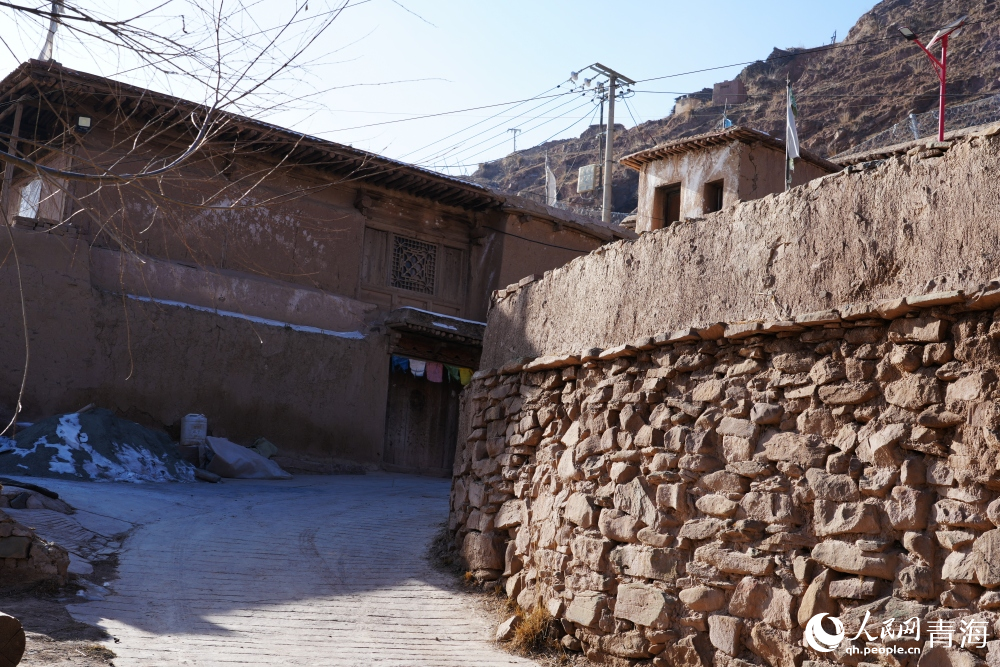
Houses and Villages
Archaeological settlement remains provide evidence for organized communities rather than isolated groups constantly moving across the landscape.
Villages required systems for:
constructing houses;
managing food supplies;
organizing labor;
maintaining relationships between households;
and responding to environmental pressures.
Families and households likely formed the foundation of daily life.
Activities such as cooking, pottery production, childcare, food storage, and tool maintenance would have structured everyday routines.
Burial Practices
Cemeteries associated with prehistoric cultures provide important evidence about social relationships and attitudes toward death.
Archaeologists study:
body orientation;
burial position;
grave goods;
cemetery organization;
and differences between graves.
Such information can reveal patterns that may reflect family relationships, age categories, social roles, or ritual beliefs.
Yet the original meaning of many burial practices remains unknown because the people responsible did not leave written explanations.
Xindian and the Tibetan Plateau
The northeastern Tibetan Plateau has long been an important region for studying human adaptation to high-altitude environments.
Communities did not simply “arrive” on the plateau and remain unchanged.
Human occupation involved thousands of years of adaptation, migration, interaction, and technological development.
The Xindian tradition belongs to this broader prehistoric landscape.
It provides evidence for communities living near routes through which people, livestock, crops, and ideas could move toward and around the Tibetan Plateau.
Cultural Interaction
The Xindian world was connected to neighboring archaeological traditions.
Pottery styles and other artifacts indicate that prehistoric communities interacted rather than existing in complete isolation.
Interaction could occur through:
trade;
migration;
intermarriage;
shared seasonal movements;
technological exchange;
and the movement of prestige goods.
Such relationships helped create a culturally diverse prehistoric frontier.
Why the “Proto-Tibetan” Description Requires Caution
Modern ethnic and linguistic categories cannot simply be projected backward thousands of years.
Calling an archaeological culture “Proto-Tibetan” may suggest a direct and certain ancestral relationship that archaeology alone cannot prove.
Material culture can reveal where people lived and what they produced, but it cannot automatically reveal the language they spoke.
The greatest value of the Xindian culture lies in what the archaeological evidence can securely demonstrate: the existence of distinctive prehistoric communities adapting to the complex environments of Qinghai and Gansu.
Conclusion
The Xindian culture provides an important archaeological window into prehistoric life along the northeastern approaches to the Tibetan Plateau.
Its distinctive pottery, settlement patterns, farming practices, animal husbandry, and burial traditions reveal communities that were both locally adapted and connected to wider networks of interaction.
Rather than treating Xindian as a simple ancestor of a modern people, archaeology allows us to appreciate it as a complex prehistoric tradition in its own right—one that contributed to the long and diverse human history of northwestern China and the Tibetan highlands.