Netflix has yet to issue an official response to the petition and the show is still set to premiere in the upcoming weeks. The controversy surrounding the show highlights the ongoing debate around the importance of historical accuracy and cultural representation in film and television productions. It remains to be seen whether Netflix will address these concerns or if the backlash will have any impact on the show's release.
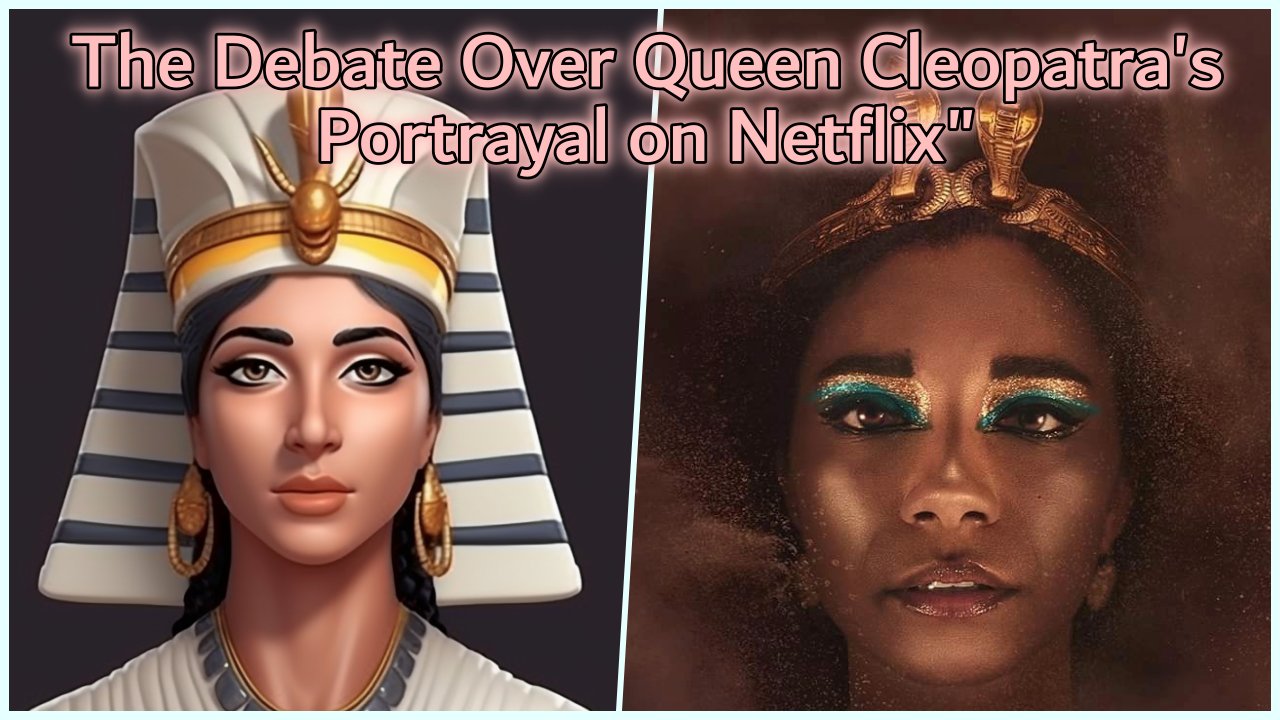
Controversy and Representation: The Debate Over Queen Cleopatra's Portrayal
The debate surrounding the portrayal of Queen Cleopatra in Netflix's new series has sparked significant discussion on social media platforms. Central to the debate is the question of whether Cleopatra should be portrayed as a black queen or if another representation is more historically accurate.
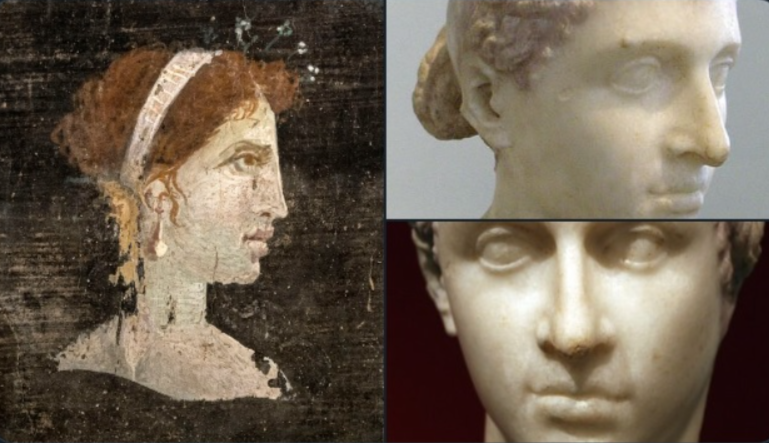
Cleopatra VII, the last pharaoh of ancient Egypt, was a member of the Ptolemaic dynasty, which descended from Ptolemy I, a Macedonian Greek general who served under Alexander the Great. As a result, some argue that Cleopatra's ancestry was primarily Greek, and thus, she should not be portrayed as a black queen.
Others, however, assert that presenting Cleopatra as a black queen could contribute to a more inclusive and diverse representation of historical figures in film and television.
The debate on social media has led to a wide range of opinions, with some users advocating for more historically accurate portrayals and others stressing the importance of diverse representation in media. As with any historical figure, it can be challenging to determine the exact appearance of Cleopatra, which leaves room for interpretation and artistic license. The conversation surrounding the representation of Queen Cleopatra highlights the complexities of portraying historical figures in modern media and raises questions about the responsibilities of filmmakers and producers when depicting history.
“African Roots of Ancient Egypt”: Exploring the Afrocentric Perspective on Egypt's History
Afrocentrism is a cultural and historical perspective that emphasizes the importance of African history and the contributions of African people to global civilization. When applied to the study of ancient Egypt, the afrocentric view focuses on the idea that ancient Egyptian civilization was fundamentally African in nature, with its people, culture, and achievements rooted in the African continent.
Proponents of the afrocentric view argue that the ancient Egyptians were indigenous to Africa and that their culture and society shared many similarities with other African cultures. They highlight the geographical location of Egypt on the African continent and the evidence of cultural connections with neighboring African civilizations.