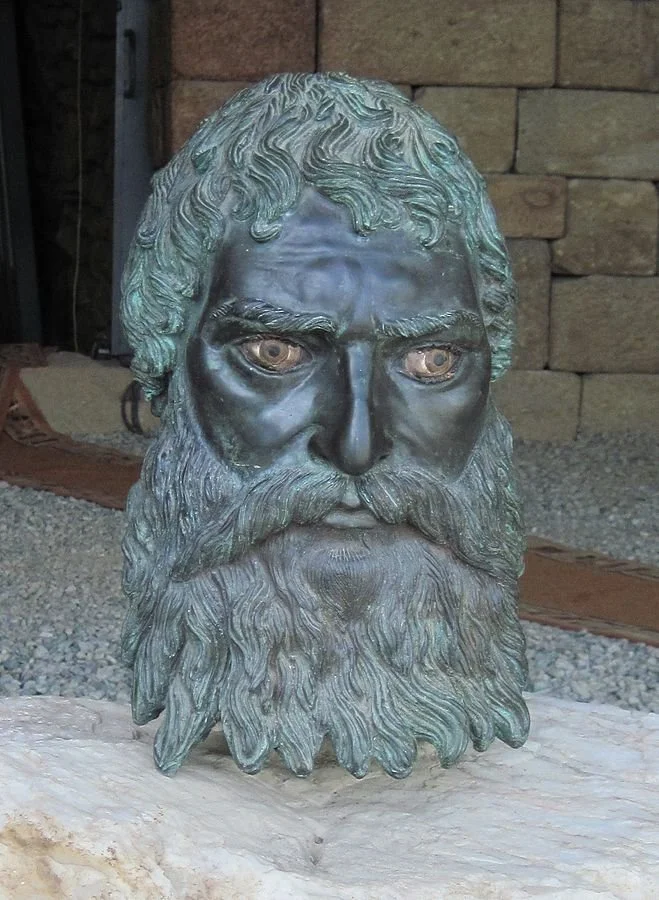
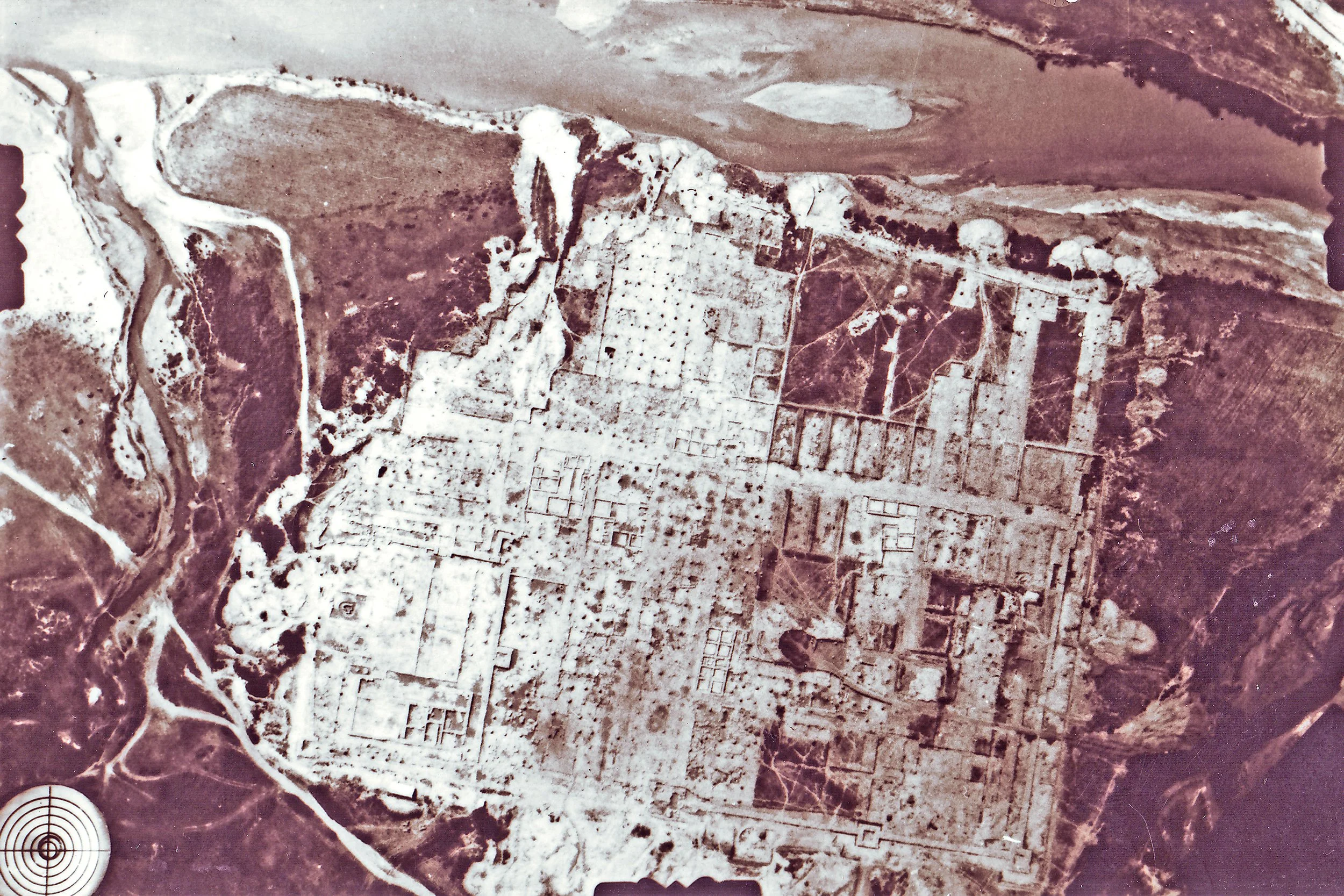
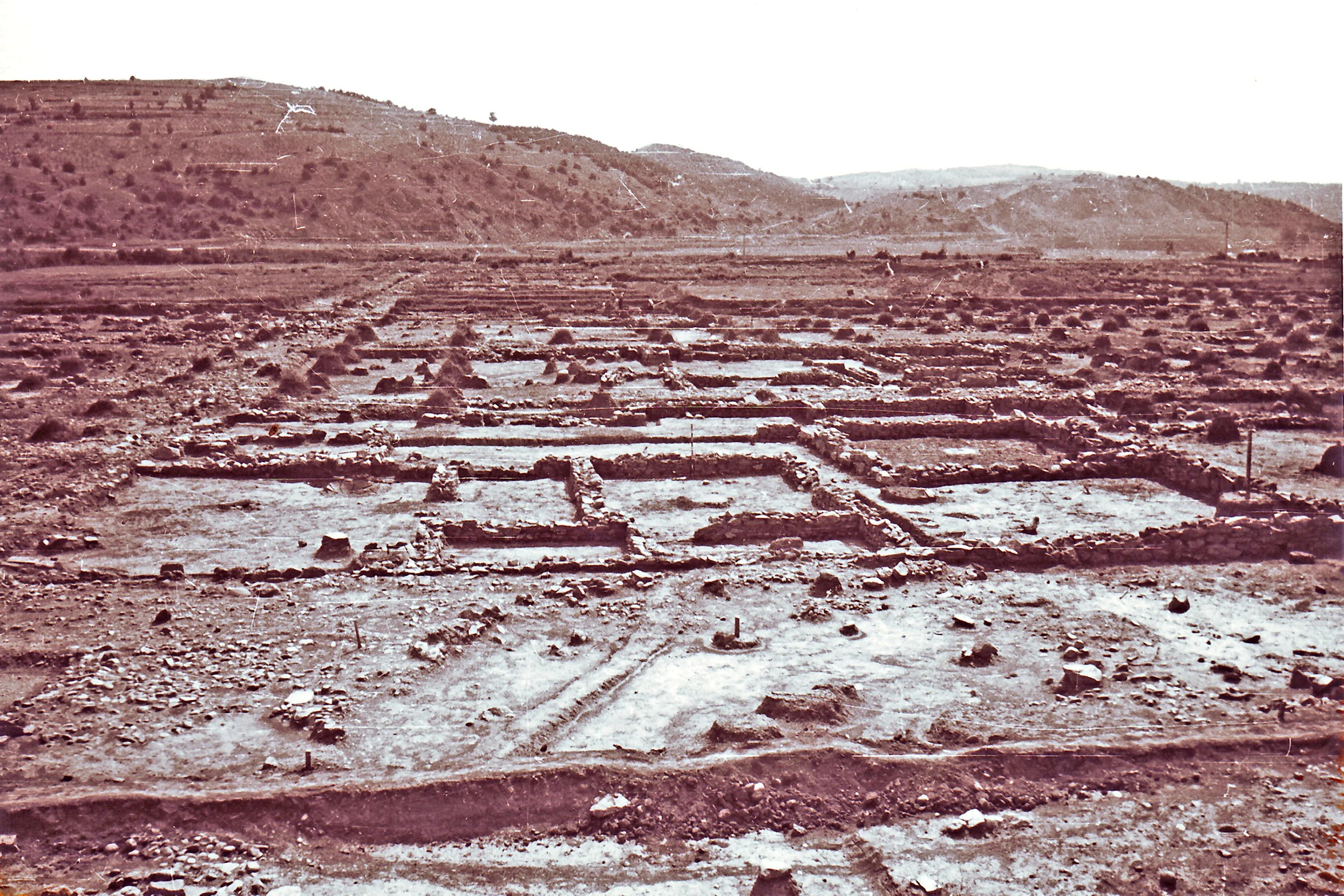
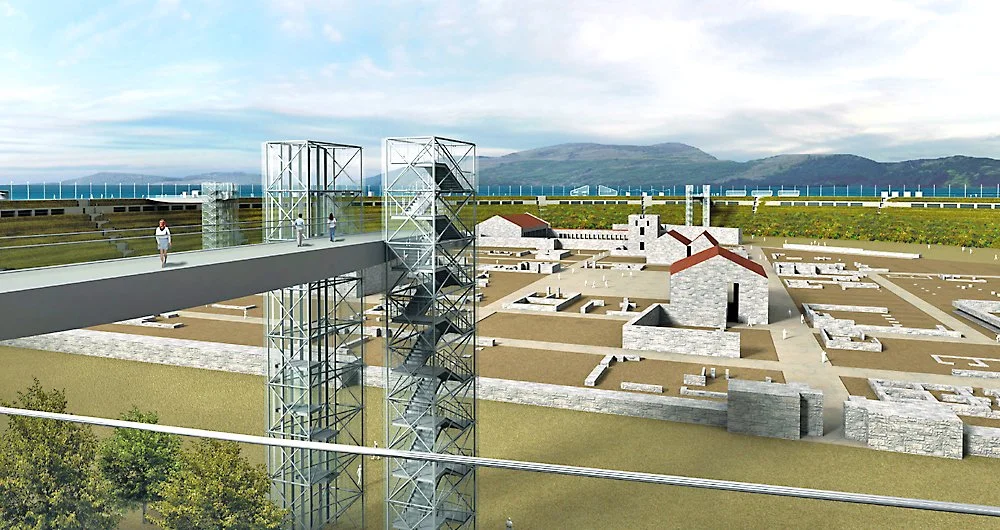
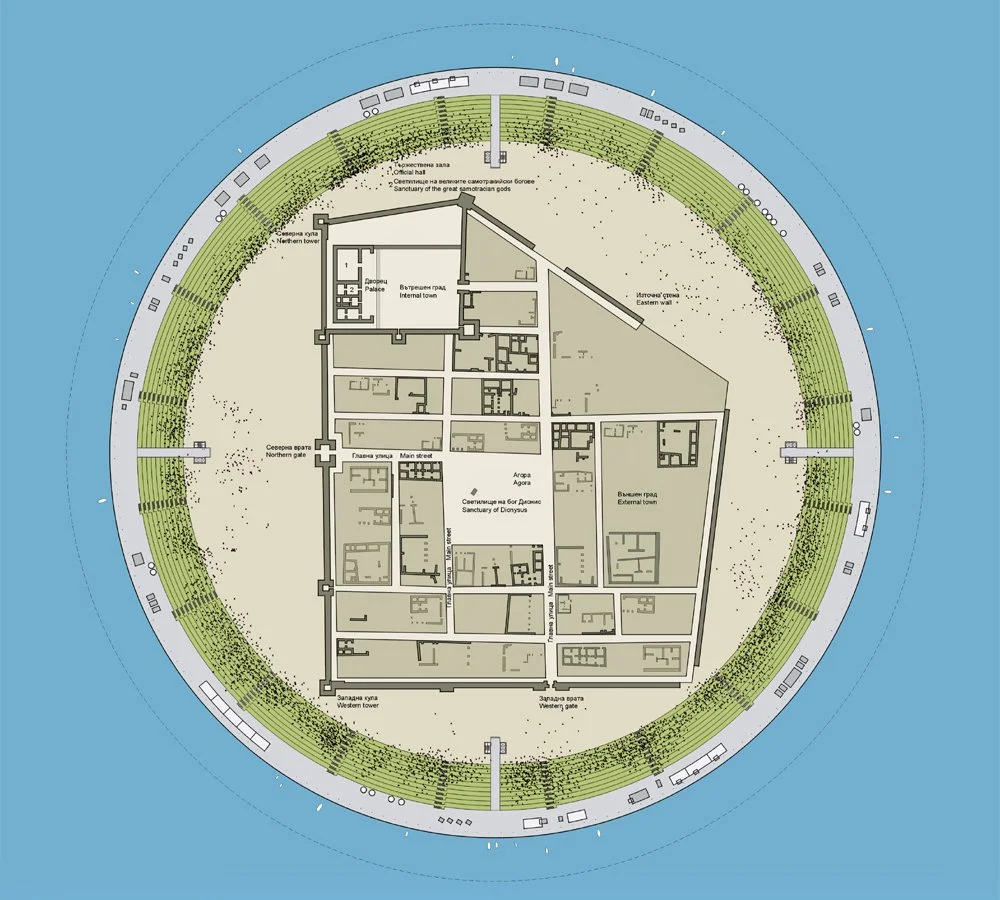
Seuthopolis was surrounded by a fortification wall and had several city gates. Inside, the city was divided into residential, administrative, and sacred zones. The residential zone consisted of homes, while the administrative zone contained buildings for governance and other civic duties. One of the central features of the city was the palace of Seuthes III, a two-story building with a unique architectural design. This palace was surrounded by a fortified wall and had a sacred area within its premises, suggesting the dual role of the king as both a political and religious leader.
Life in Seuthopolis was typical of Hellenistic cities at that time. Archaeological findings suggest an advanced level of urban life with a developed economy based on agriculture, crafts, trade, and metallurgy. The city likely had a diverse population of Thracians, Greeks, and possibly other ethnicities, and it served as a vital center for the cultural, economic, and political life of the kingdom.
Discovering Seuthopolis
Seuthopolis thrived until the end of the 3rd century BC, after which it began to decline, possibly due to political instability and external invasions. By the end of the 1st century AD, during Roman rule, the city was largely abandoned.
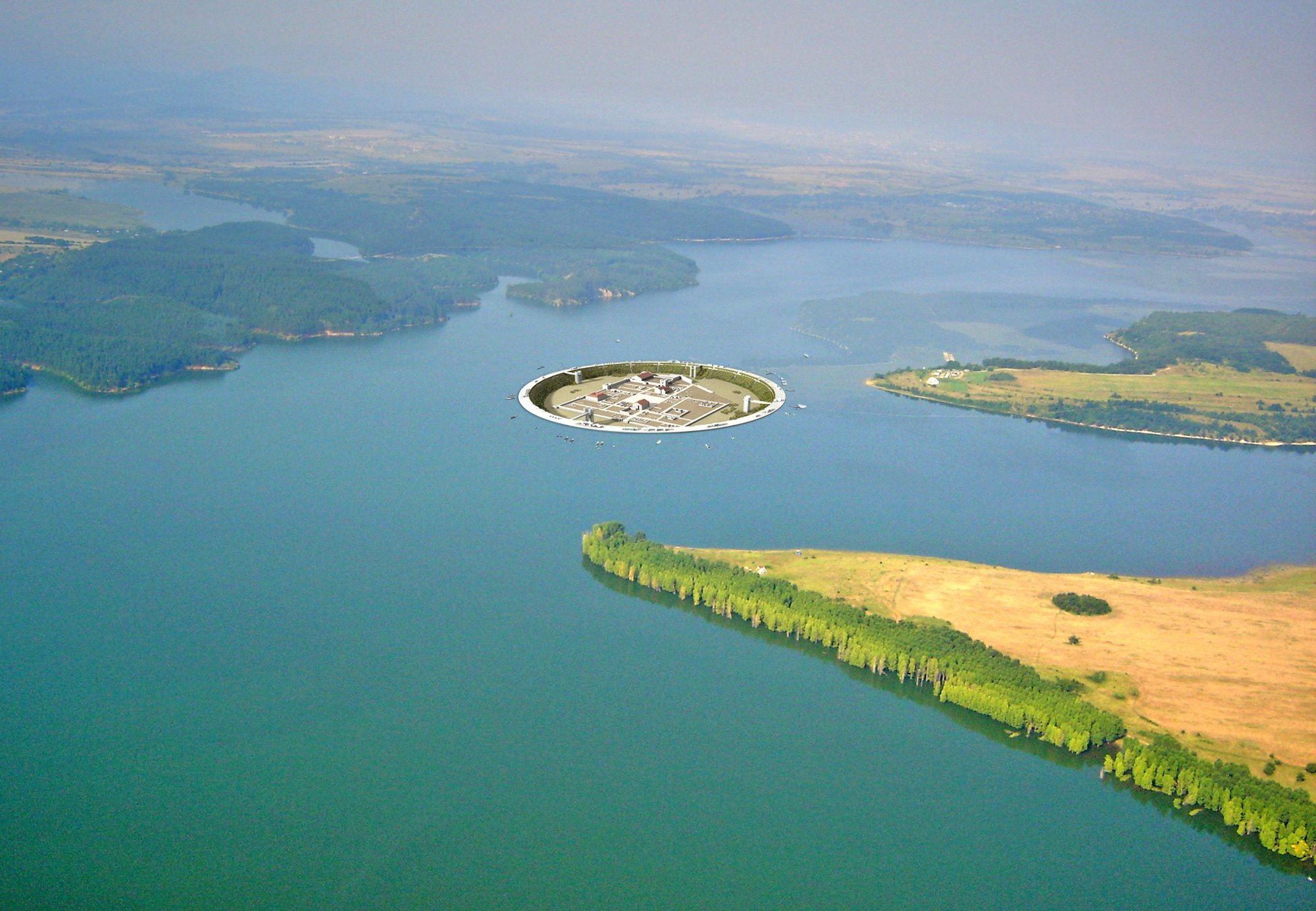
The ruins of Seuthopolis remained hidden until they were rediscovered in the 1940s during the construction of the Koprinka Reservoir. Despite its remarkable state of preservation, the decision was made to flood the area, submerging Seuthopolis under approximately 20 meters of water, in order to create the reservoir.
The city's unique urban planning, complete with fortified walls, administrative and religious buildings, residential quarters, and even a marketplace, provided invaluable insight into the Thracian civilization. The submerged city, therefore, became a treasure chest of information waiting to be opened.