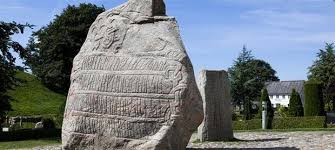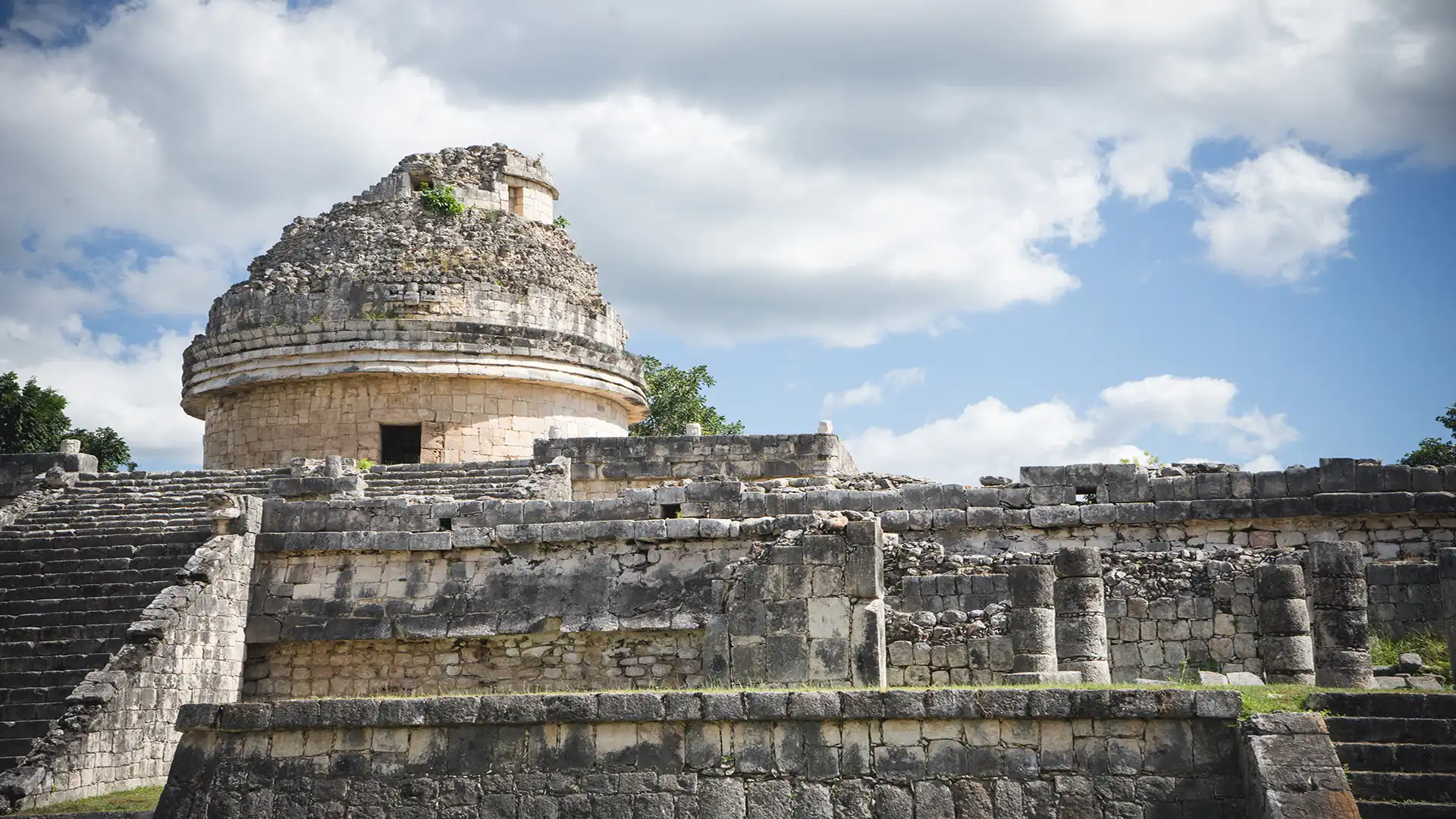
In today’s video we will unlock the truth about historical warfare! Explore the misconceptions surrounding castle sieges, line infantry tactics, organized battles, plate armor mobility, and the surprising facts about ancient weaponry. Watch the video to find out more!

Walk inside Trajan's Column
Take a unique walk inside one of the best preserved monuments of ancient Rome: Trajan's Column. Ascend the spiral staircase- rarely open to the public- to the top viewing platform for a one-of-a-kind view of Ancient Rome, and learn about the construction and meaning of this funerary monument that narrates the battles against the Dacians (modern Romania).

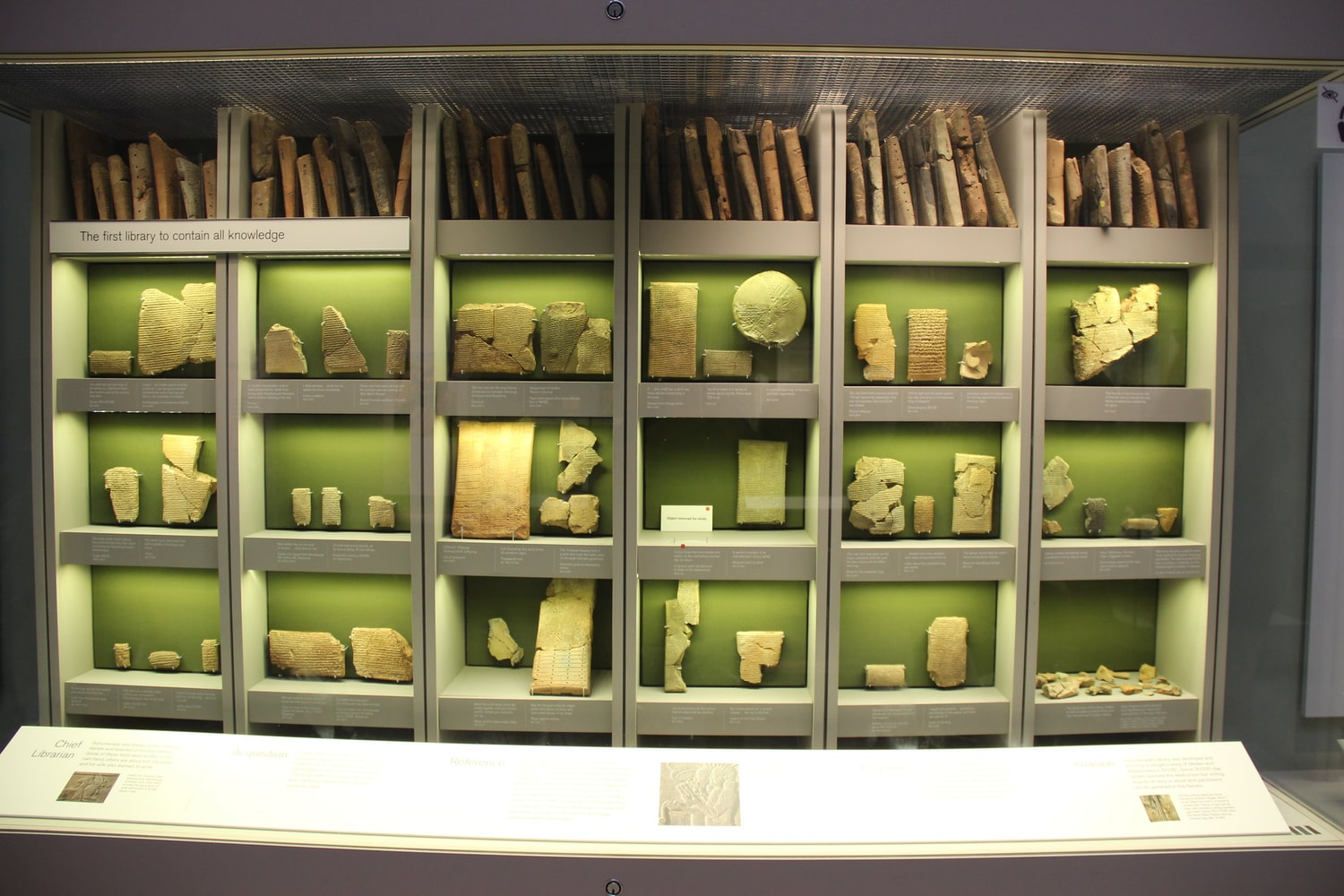
The boring truth about the Library of Alexandria
Modern writers make different claims about who destroyed the Library of Alexandria. Some blame Julius Caesar while others blame a Christian mob or the invading Arabs. But who is really responsible for the Library's demise? Watch the video to find out more!
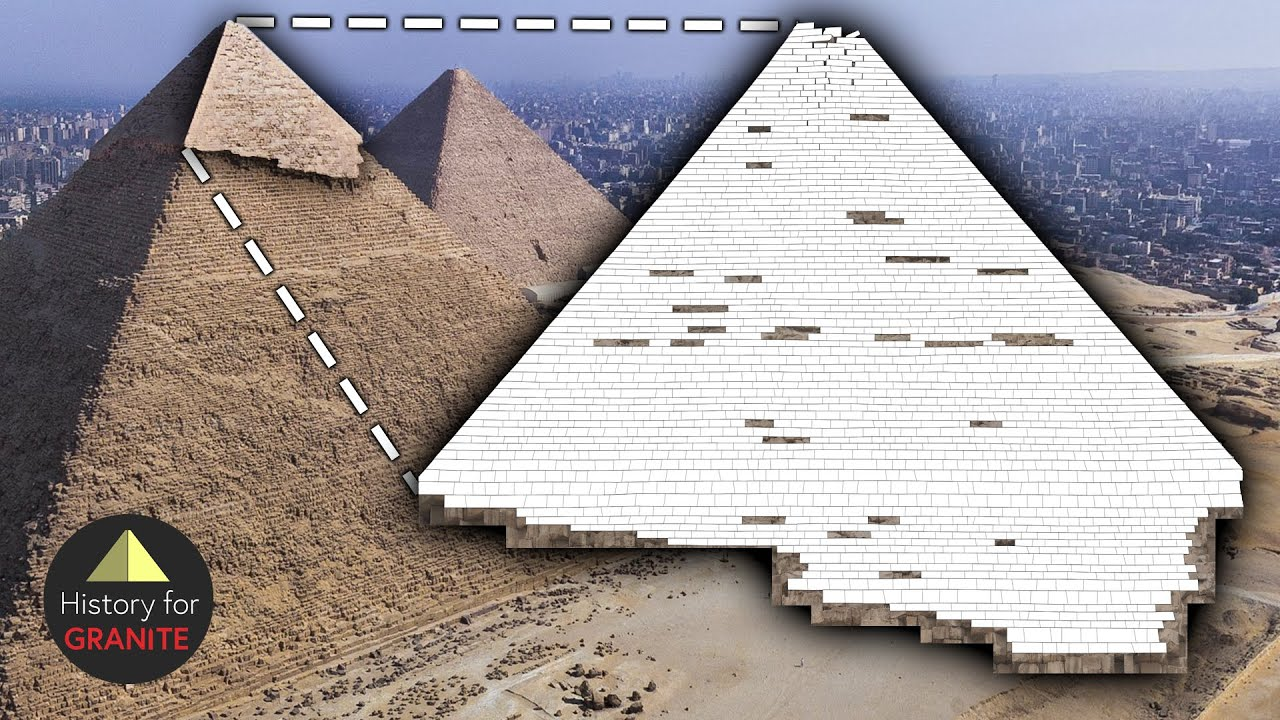
Closest Look Ever at How Pyramids Were Built
Unlocking the secrets behind the construction of the ancient Egyptian pyramids has long captivated the imagination of historians and archaeologists. The question of how these colossal structures, such as the pyramids of Egypt, were built remains one of the most enduring enigmas in the annals of human history.
Throughout the millennia, myriad theories have been proposed, stretching as far back as the accounts of Herodotus in Ancient Greece. These theories span the spectrum from the plausible to the patently outlandish. Yet, amidst the wealth of conjecture, a definitive answer has remained elusive.
Enter the pyramid casing stones—an intriguing piece of the puzzle. In our pursuit of uncovering the truth behind pyramid construction, this video sets out to break new ground. Rather than relying on indirect evidence and imaginative suppositions, it strives to utilize the direct evidence found in the pyramid of Khafre.
This evidence, meticulously documented and presented, forms a pattern that beckons for serious consideration. The quest to fathom the pyramid's construction method may have found a new, more tangible path forward. Anyone delving into this profound building question ought to engage with the compelling evidence laid out in this presentation, as it may well hold the key to unraveling an age-old mystery.
Watch the video below to find out the secrets behind the construction of the ancient Egyptian pyramids
Forgotten South American Civilizations Before the Inca
Long before the Spanish Conquistadors embarked on their quest for the fabled riches of the Inca Empire in Peru, South America was a tapestry of civilizations that left behind a legacy of incredible cities, artistry, and enigmatic artifacts. Despite their profound contributions to the region's history, these ancient cultures often remain in the shadow of the Inca. In this article, we delve into the remarkable stories of five South American civilizations—the Chavin, Nazca, Moche, Tiwanaku, and Huari—whose legacies endure through the lens of archaeology and the echoes of myth.
1. The Enigmatic Chavin Civilization:

Around 1000 BCE, the Chavin civilization emerged in what is now Peru. Named after the archaeological site Chavín de Huántar, this culture remains shrouded in mystery. Little is known about their origin or political structure, as there is no evidence of a standing army or identifiable rulers. Central to their beliefs was the Lanzon, a spear-shaped deity, yet the intricacies of their religious practices are lost to time. Skilled artists and craftsmen, the Chavin created stunning pottery, textiles, and metalwork, which played a pivotal role in disseminating their cultural influence across the region. Around 200 BCE, the Chavin civilization began to wane, leaving behind its artistic legacy to shape the civilizations that followed.
2. The Nazca Lines: A Monumental Mystery

The Nazca civilization, which thrived around 200 BCE, left an indelible mark on the arid landscape of southern Peru. Known for the enigmatic Nazca Lines—massive geoglyphs etched into the desert floor—the Nazca are believed to have used these lines in their rituals and the distribution of water, a precious resource in their harsh environment. Dismissing extraterrestrial theories, researchers have determined that the Nazca created these intricate designs using simple tools and measurements. Their society comprised chiefdoms with a central religious power, notably at Cahuachi, where water management was of utmost importance. Human sacrifice and ancestor worship were central to their culture, as evidenced by trophy heads and intricate pottery. However, the Nazca civilization met its demise due to catastrophic El Niño weather events around 500 CE.
3. The Magnificent Moche Culture:

Contemporary with the Nazca, the Moche civilization occupied the northern coast of Peru, establishing themselves as a formidable power. At the heart of their civilization was the Huaca de La Luna, dedicated to the god of the mountains, Aiapaec. The Moche were known for their ritualistic practices, including human sacrifice and elaborate pottery that depicted real people in striking detail. Their architectural prowess, utilizing adobe, is exemplified by the monumental Huaca del Sol, although much of it was eroded during the Spanish conquest in search of gold. The fall of the Moche civilization can be attributed to the same El Niño events that affected the Nazca, leading to resource scarcity and internal conflicts.
4. The Prosperous Tiwanaku Culture:

Around Lake Titikaka, the Tiwanaku culture thrived from 550 CE to 950 CE, encompassing parts of Peru, Bolivia, and Chile. Renowned for their agricultural innovations and sophisticated architecture, the Tiwanaku people constructed monumental stonework, open ceremonial spaces, and intricate reliefs. Their civilization's deity, shared by several cultures, contributed to their lasting influence. An intriguing aspect of Tiwanaku culture was the diverse skull modification practices across their empire, reflecting regional or ethnic identities. Prolonged droughts around 1000 CE led to their agricultural systems' collapse, but their legacy persisted as the Inca adopted many of their achievements.
5. The Huari (Wari), Masters of Textiles and Empire:

The Huari culture, flourishing alongside the Tiwanaku, controlled extensive territories along the Peruvian coast and highlands. They imposed a centralized government, complete with a tax collection system and an intricate road network connecting regional cities to the capital, Huari. While their relationship with the Tiwanaku remains ambiguous, both cultures coexisted, refraining from large-scale warfare. Huari's artisans excelled in textiles, producing intricate tapestries with modern-like designs. The collapse of the Huari civilization can be attributed to droughts and internal conflicts. Smaller cultural groups absorbed their legacy into the Inca empire.
Before the Spanish Conquistadors' arrival in South America, a tapestry of civilizations thrived, each leaving behind a unique cultural footprint. From the enigmatic Chavin to the magnificent Moche and the prosperous Tiwanaku and Huari, these civilizations shaped the region's history, art, and architecture. Their stories, reconstructed through archaeology and myth, continue to captivate us, revealing the rich tapestry of South American history that lies beyond the shadow of the Inca Empire.
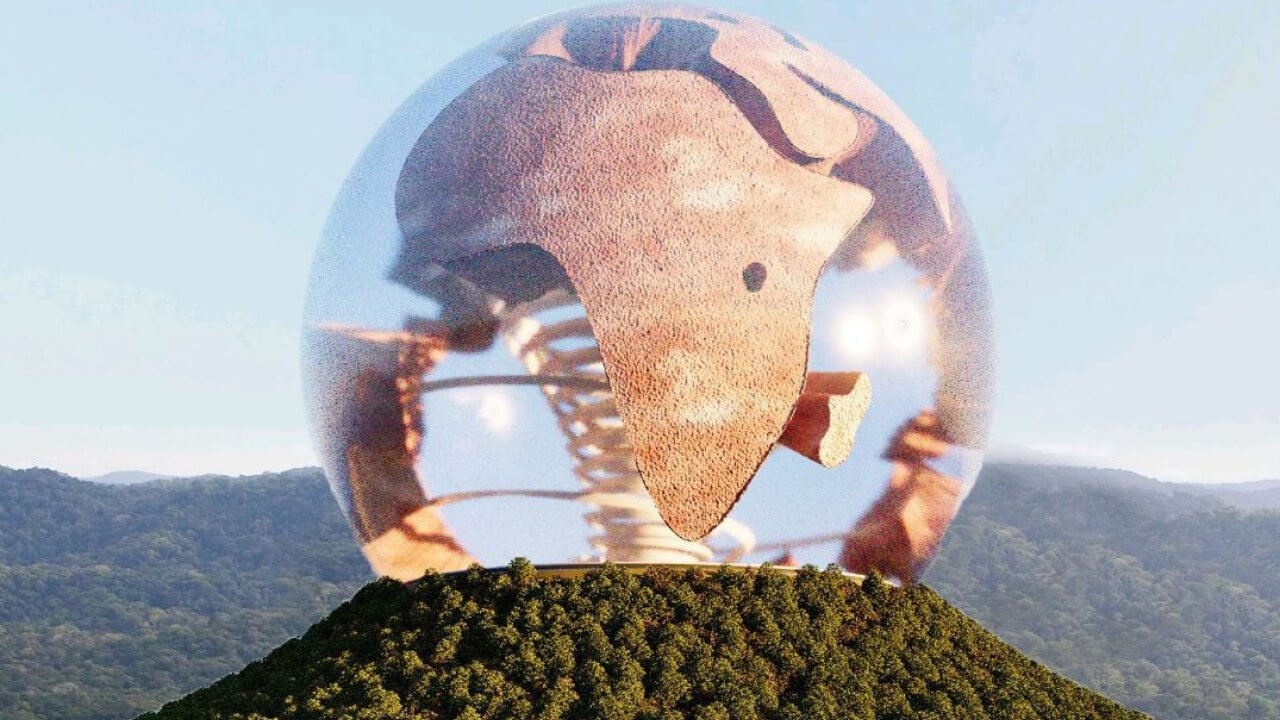
The project. Image courtesy of UNESCO/Kéré Architecture
UNESCO Creates The Virtual Museum of Stolen Cultural Treasures
A Digital Haven for Lost Heritage
In September 2022, a groundbreaking initiative was announced by UNESCO and Interpol that promised to revolutionize the way we interact with stolen cultural artifacts. The ambitious project, initially funded by Saudi Arabia with a budget of $25 million, is set to establish the world's first virtual museum dedicated to stolen cultural objects. This collaborative effort brings together the expertise of renowned architect Francis Kéré, a native of Burkina Faso and winner of the 2022 Pritzker Architecture Prize, and UNESCO's commitment to preserving global cultural heritage.
A visionary architect meets cultural guardians:
Audrey Azoulay, UNESCO's director-general, emphasized the need for an architect capable of reimagining traditional museum concepts and forging a profound connection between the tangible and the intangible. Francis Kéré, with his innovative approach, was the perfect fit for this monumental task. Kéré's architectural prowess and UNESCO's mission to safeguard cultural treasures gave birth to a project that aims to transcend the boundaries of the physical world.

Potential Virtual Museum of Stolen Artefacts. Source: UNESCO
Kéré's visionary designs include a 3D representation of a baobab tree, a symbol of resilience and cultural significance in many African tribes. Drawing inspiration from the renowned Guggenheim Museum in New York, a UNESCO World Heritage Site celebrated for its spiraling design, the virtual museum promises to offer visitors an immersive experience that mirrors the real-world museum experience.
The Virtual Museum Experience
One of the most exciting aspects of this virtual museum is its ability to transport visitors into 3D simulations, allowing them to explore stolen cultural artifacts as if they were physically present. This immersive approach is intended to bridge the gap between the material and the immaterial, enabling people to connect with the lost treasures of the world.

Moreover, the virtual museum will serve as an educational hub, providing access to learning materials related to these artifacts and featuring stories and testimonies from communities around the world. By doing so, UNESCO hopes to not only raise awareness about the illicit trafficking of cultural property but also emphasize the importance of protecting cultural heritage, especially among younger generations.
A Game-Changing Tool for Awareness
According to UNESCO, this virtual museum will be a "game-changing tool" in raising awareness about the consequences of illicit trafficking and the significance of preserving cultural heritage. It is expected to target a diverse audience, including relevant authorities, cultural professionals, and the general public.

Interpol's Role and the Road Ahead
The virtual museum's projected opening year is 2025, and Interpol has already compiled an inventory of 600 stolen cultural objects that will be part of the initial presentation. While the specifics of the first exhibition remain under wraps, a glimpse into the collection reveals treasures like a third-century gypsum marble plaque looted from Yemen's Awwam Temple, a seventh-century B.C. ivory relief stolen from the Baghdad Museum, and a fifth- or sixth-century figurine taken from a temple complex in Rajasthan, India.
In the words of Audrey Azoulay, this virtual exhibition may not replace the physical presence of these artworks, but it will undoubtedly restore fundamental access to them and advocate for their return. The digital platform will enable global audiences to appreciate the beauty and historical significance of these stolen artifacts while simultaneously underscoring the urgent need to combat the illegal trade in cultural heritage.

The Virtual Museum of Stolen Cultural Treasures, set to open its virtual doors in 2025, represents a groundbreaking leap towards preserving our shared global heritage. With Francis Kéré's innovative designs and UNESCO's unwavering commitment, this digital museum promises to be an invaluable resource in the ongoing battle against the illicit trafficking of cultural artifacts. Through its immersive experiences and educational outreach, it aims to inspire a new generation to champion the cause of cultural preservation and work towards the recovery of stolen treasures, ensuring that our world's rich heritage endures for generations to come.

Scientists Discover Intact Brain Cells After Studying Victims of Mount Vesuvius' Eruption
In the annals of history, few natural disasters have left a mark as indelible as the eruption of Mount Vesuvius in A.D. 79. The cataclysmic event, which blanketed the ancient cities of Herculaneum and Pompeii under layers of hot ash and volcanic debris, has long captivated archaeologists and scientists. Now, in a stunning breakthrough, a team of researchers in Italy has unlocked a remarkable secret hidden for nearly two millennia: the intact brain cells of a young man who fell victim to the eruption.
The discovery of these ancient neural treasures promises to shed new light on the lives and fates of those who perished in the shadow of Vesuvius. This groundbreaking research, carried out by a dedicated Italian team, offers a glimpse into the remarkable resilience of human tissue in the face of one of nature's most destructive forces.
The Unearthed Enigma
The story begins with a remarkable find in the 1960s when excavations at Herculaneum unearthed the remains of a young man, believed to be approximately 25 years old at the time of his demise. He was discovered in a prone position on a wooden bed within the Collegium Augustalium, an edifice dedicated to the veneration of Emperor Augustus. In the ancient Roman tradition, Augustus was revered as a deity, and the Collegium Augustalium served as the epicenter of this worship.

Credit: PLOS ONE
The body's features are outlined with the sketch drawn at the time of the discovery (1961). The posterior part of the skull (the occipital bone and part of the parietals) had completely exploded, leaving the inner part visible. A. Vitrified brain fragment collected from the inner part of the skull; B. Vitrified spinal cord fragment from the spine (SEM, scale bars in mm).
But it was not until recently that modern technology offered us a glimpse into the inner workings of this unfortunate soul's brain. Researchers employed an electron microscope to delve into the glassy, black material within the man's skull. What they found was nothing short of astonishing: remarkably well-preserved brain cells with a level of detail and clarity that had been considered impossible to achieve.
The Science of Vitrification
The key to this extraordinary preservation lies in the process of vitrification, a remarkable natural phenomenon. Vitrification occurs when intense heat, followed by rapid cooling, transforms organic matter into glassy substances. In this case, the victim's brain had been vitrified, preserving its structure for centuries.
Further analysis, conducted through energy-dispersive X-ray spectroscopy, confirmed the organic nature of the vitrified material. The sample was rich in carbon and oxygen, unmistakable signatures of organic compounds. Comparison with a database of human brain proteins revealed an uncanny match, confirming that the discovered proteins were indeed from the human brain.
The researchers' meticulous examination also led them to suspect the presence of vitrified nerve cells in the ancient victim's spinal cord and cerebellum, guided by the position of the sample within the skull and the concentration of the proteins.

Electron microscope image of brain axons.
Credit: PLOS ONE
Unlocking New Avenues of Inquiry
The preservation of these brain cells presents an unprecedented opportunity for scientists and archaeologists alike. The Italian research team is poised to delve deeper into the mysteries surrounding vitrification. They aim to unravel the precise temperatures the victims were exposed to during Vesuvius's fiery eruption and the cooling rate of the ash that sealed their fate. Additionally, the team intends to analyze the proteins from these remains, providing invaluable insights into the genetic makeup of these ancient individuals.
These intact, ancient brain cells have opened doors to previously unattainable research opportunities, offering a unique window into the lives and deaths of those who faced the fury of Mount Vesuvius. It is a testament to the resilience of the human body and a reminder that, even in the face of nature's wrath, our stories can endure for centuries, waiting to be unearthed by the curious and the dedicated.
As the Italian research team continues their exploration of this remarkable discovery, we can only anticipate the exciting revelations that await us. In this fusion of science, history, and archaeology, the secrets of ancient Pompeii and Herculaneum are being brought to light once more, proving that even in the darkest moments of history, the human spirit endures, etching its memory in stone and glass.

Iconic Sycamore Gap Tree Toppled, Causing Damage to Historic Hadrian's Wall
In an act of mindless vandalism, the renowned Sycamore Gap tree, which stood as an emblem of Northern England's scenic beauty, was felled, inadvertently causing damage to the adjacent Hadrian's Wall, a designated Unesco World Heritage Site. This 73-mile-long wall, an iconic symbol of Britain's rich history, now bears the scars of this reckless act.
Last Wednesday night, 15 miles west of Hexham in Northumberland, the iconic tree was brought down. Following the incident, two suspects—a seasoned lumberjack and a teenager, aged 16—were arrested and later released on bail on grounds of suspected criminal damage. Detectives are deliberating charges, not only for unlawfully felling the tree but also for the inadvertent damage inflicted upon the ancient Hadrian's Wall. The latter offense holds the potential for graver penalties.

Vandals who felled the famous Sycamore Gap tree caused damage to Hadrian's Wall (pictured), investigators have found.
The Times reported that following the incident, Historic England, the renowned preservation body, dispatched a heritage crime specialist to gauge the extent of the damage. Preliminary observations confirm that the venerable 1,900-year-old wall, celebrated as one of the inaugural British sites to receive the Unesco World Heritage designation, has indeed suffered damage.
Details on the magnitude of the damage remain awaited, as a comprehensive archaeological assessment is still pending. The fallen tree has not yet been cleared from the site. Expressing the deep-felt sentiments of many, a spokesperson from Historic England remarked on the palpable sense of loss stemming from the felling of the tree and the subsequent impact on this cherished historical locale. Historic England pledged its unwavering support and collaboration in the forthcoming steps of the investigation.

Detectives are now looking at charges for felling the tree without consent and potentially for causing damage to a heritage site
Northumbria Police held consultative meetings with representatives from key conservation bodies, including Historic England, the National Trust, Northumberland National Park Authority, and Forestry England, to discuss the investigation's course.
Spearheading the newly established National Rural Crime Unit, Superintendent Andy Huddleston described such incidents as an 'exceptional rarity.' The challenges of investigating rural crimes differ substantially from those in urban settings, particularly due to the absence of witnesses and surveillance infrastructure, he noted. Nonetheless, Superintendent Huddleston remains resolutely optimistic, expressing his utmost faith in Northumbria Police's capability to apprehend those responsible for this heartless act.

These 1,600-year-old Egyptian socks feature an indent between the toes for wearing sandals. (Photo: Victoria & Albert Museum)
Timeless Elegance: Unraveling the Story of 1,600-Year-Old Egyptian Socks
Footwear has always been a crucial aspect of human history, providing both protection and style to its wearers. Ancient civilizations had their own unique take on shoes, boots, and sandals, often crafted with materials such as leather, metal studs, and flax laces. Good footwear serves not only as a practical necessity but also as a symbol of fashion and cultural identity. But what about socks? Were they just as important in ancient times? A fascinating discovery suggests that ancient Egyptians enjoyed the comfort and style of socks just like we do today. In this article, we delve into the intriguing story of 1,600-year-old Egyptian socks, which have left an indelible mark on the pages of history.
Rediscovering the Red Socks
In the 19th century, a remarkable pair of red socks came to light in Egypt, showcasing an intricate split-toe design. These socks, now part of the esteemed collection at the Victoria & Albert Museum, were crafted between 250 and 420 CE. They reveal a level of sophistication and style that one might not expect from an era so distant in time. What sets these socks apart is not just their vibrant color but also the extraordinary technique used to create them. Unlike traditional knitting, these socks were made through a method called nålbindning, which involved sewing three-ply wool together in a form of single-needle "knitting." The top of the leg features an overlapping slit at the center front, with extra stitches added at the front, forming an underflap that ends in a loop. This design allowed for secure fastening or tying, ensuring a snug fit.

The socks were made by a process called nålbindning. (Photo: Victoria & Albert Museum)
Functionality and Style
The split-toe design of these socks reveals a striking similarity to traditional Japanese tabi socks, which date back to the 15th century. Tabi socks were designed to be worn with thonged footwear and became the inspiration for Maison Margiela's iconic Tabi boots in modern times. The Egyptian socks served a practical purpose, slipping comfortably into the sandals of their time, offering both protection and comfort to the wearer. These socks not only boast functional design but also whimsical aesthetics. A similar sock, known as "The Lost Sock" and housed in the National Museums Scotland's collection, showcases a striking pattern with wool stripes in shades of orange, red, yellow, green, and blue. Another Egyptian sock, housed in the British Museum, features chunky color-block patterns. While archaeologists remain uncertain about whether these socks were primarily practical or ceremonial, the diversity in design suggests that they may have served both purposes.
Modern enthusiasts can now try their hand at replicating these ancient Egyptian socks, allowing a glimpse into the lives and fashion sensibilities of people who lived over a millennium ago.
These 1,600-year-old Egyptian socks, with their functional split-toe design and vibrant patterns, have opened a window into the world of ancient fashion and craftsmanship. They were more than just practical garments; they were a testament to the creativity and style of the people of their time. As we continue to explore and appreciate the artifacts of ancient civilizations, we can gain a deeper understanding of the lives and cultures that have shaped our world. So, perhaps the best way to get to know the lives of ancient Egyptians is to walk a day in their socks, where fashion and function coexisted seamlessly.

Painting depicting Vikings landing in North America. Credit: Wikimedia Commons.
Prior to Columbus by 150 years, a Milanese priest described North America
The discovery of the mention of "Marckalada" in the writings of Milanese friar Galvaneus Flamma indeed provides intriguing evidence of pre-Columbian knowledge of North America in certain European circles. The description of this land in Flamma's text, written in 1345, suggests a familiarity with a region beyond Greenland, indicating that information about lands in North America might have circulated in medieval Europe before Columbus's expedition in 1492.
The specific details provided in the text, such as the presence of giants and large stones, are likely based on distorted or mythological accounts passed down through various sources. Nevertheless, the fact that Flamma had detailed knowledge about Greenland, a relatively obscure region in 14th-century Europe, is noteworthy. This discovery raises the possibility that Columbus, hailing from Genoa and a contemporary of Flamma, could have been exposed to similar accounts of a mysterious land to the west.

Navigation routes Vikings took to reach Newfoundland.
While there is no direct evidence linking Columbus to Flamma's writings, it is plausible that the knowledge of such lands could have influenced Columbus's decision to embark on his daring voyage across the Atlantic. Columbus was known to be well-read and curious, and he might have come across similar accounts or rumors during his time in Genoa, inspiring his belief in the existence of uncharted territories.
The discovery of the mention of "Marckalada" adds complexity to the narrative of European exploration of the Americas, highlighting that Columbus was not operating in complete ignorance of the possibility of lands lying beyond the Atlantic Ocean. Instead, he might have been part of a continuum of explorers and thinkers who were aware, to varying degrees, of the existence of unknown lands in the western hemisphere.

AI-generated illustration of a stereotypical Viking overlooking the North American landscape.

A bird's-eye view of excavated catapult in Oxfordshire, England. (Image credit: © MOLA)
WWII Catapult Found: A Forgotten Innovation in England's History
In a remarkable archaeological discovery, a group of researchers in England has unearthed a relic from World War II that remained hidden for decades. This incredible find sheds light on a lesser-known aspect of wartime innovation: a catapult designed to launch bomber planes. Located in Oxfordshire in southeastern England, this historic device, known as the Royal Aircraft Establishment (RAE) Mark III Catapult, was engineered to save warplane fuel and reduce the need for long runways. While it was never used in action, its legacy in catapult technology remains significant.
The Forgotten Catapult
Constructed between 1938 and 1940, the RAE Mark III Catapult was a bold experiment in aviation technology. It was intended to address the pressing needs of wartime aviation, primarily reducing the fuel consumption of warplanes and shortening the length of required runways. The Museum of London Archaeology (MOLA) notes that this catapult was a prototype, which was never employed during World War II. Instead, it was buried in 1941, and a conventional runway was built over it.

A digital reconstruction of a WWII-era plane on the catapult. (Image credit: © MOLA)
Despite its lack of practical use, the catapult represented an important step in the evolution of catapult systems. The RAE Mark III Catapult's design laid the foundation for subsequent developments in aviation technology, including the 1941 catapult aircraft merchant (CAM) ship. These ships played a crucial role in launching warplanes from the decks of ships, an invaluable asset in naval warfare. The catapult's excavation provides a fascinating glimpse into the rapid experimentation and innovation that characterized the interwar years and World War II. The project officer at MOLA, Susan Porter, emphasized the importance of recording every detail of the catapult, ensuring that its legacy is preserved for future generations.

A digital reconstruction showing plane on the catapult track. (Image credit: © MOLA)
Catapult's Design and Function
The excavated catapult was an intricate piece of engineering. Its primary components included a large circular pit measuring 98 feet in width, topped by a turntable. The turntable was designed to direct aircraft towards two concrete track runways, each only 269 feet in length. This was a stark contrast to modern runways for planes under 200,000 pounds, which typically require a length of at least 6,000 feet.
The catapult's mechanism involved attaching warplanes to an underground pneumatic ram using a towing hook. Twelve Rolls-Royce Kestrel aeroengines, situated beneath the turntable, would compress air to drive the ram. This highly pressurized air would then be forced into the pneumatic ram, causing it to rapidly expand, effectively catapulting the large bomber planes into the sky. However, the prototype failed to perform as intended, primarily due to compatibility issues with the bomber planes it was meant to launch.

Archaeologists excavating one of the catapult's arms. (Image credit: © MOLA)
After the War
Following the abandonment of the catapult and the conclusion of the war, the pit was repurposed to store radioactive waste, which has since been removed. Nevertheless, the catapult remained buried until the recent excavations at the Harwell Science and Innovation Campus.
In addition to the catapult, other exciting discoveries were made during the excavation. These included a previously unknown gun emplacement designed to defend the runway from attacks, shedding light on the defensive strategies employed during wartime. Another runway, complete with runway lights, was found nearby, adding to the historical significance of the site.

Archaeologists excavate the gun emplacement. (Image credit: © MOLA)
The discovery of the RAE Mark III Catapult in England is a testament to the relentless pursuit of innovation during World War II. Although this particular invention was never employed, it served as a stepping stone for the development of catapult technology, which played a crucial role in launching warplanes from ships. The careful excavation and preservation of this artifact offer a valuable window into a forgotten chapter of England's wartime history, reminding us of the ingenuity and experimentation that defined this era.

Image Credit : Ian Mitchinson - Shutterstock
Exploring the Ancient Grianan of Aileach: Seat of the Kingdom of Ailech
Nestled atop the picturesque Greenan Mountain in County Donegal, Ireland, the Grianan of Aileach, also known as Greenan Ely or Greenan Fort, stands as a testament to the rich history and mythology of this region. This stone ringfort is a unique historical site that tells the story of the Kings of Ailech and the mythical associations that have been woven into its narrative.
A Seat of Kings
The Grianan of Aileach is believed to have been constructed by the Cenél nEógain, a branch of the Northern Uí Néill dynasties, during the 8th or 9th century. It served as the principal seat of the Kings of Ailech, who ruled the medieval Irish province of Ailech, also known as the Kingdom of Ailech. These kings held significant power in this region, and the Grianan of Aileach was a symbol of their authority.
Intriguingly, Irish mythology adds a layer of mystique to the fort's origins. According to these legends, the construction of the fort is attributed to the Dagda, a deity and the celebrated king of the Tuatha Dé Danann. The Dagda was associated with fertility, agriculture, strength, magic, Druidry, and wisdom. In the Great Book of Lecan, a medieval Irish manuscript from the 14th or 15th century AD, it is described how the fort was erected around the grave of the Dagda's son Aedh, who had been killed by the Connacht chieftain Corrgenn. This tale adds an element of divine significance to the Grianan of Aileach.
Historical Significance
Archaeological evidence suggests that the Grianan of Aileach was built upon the remains of an earlier Iron Age hillfort dating from around 1000 BC. There are traces of even earlier occupation from the Early Bronze Age and possibly the Neolithic period. The fort's three concentric ramparts made of earth and stone follow the contours of Greenan Mountain's summit, forming an irregular circular pattern. This central area within the ramparts was likely used for royal inaugurations and other significant ceremonies.

Image Credit : Gareth Wray – CC BY-SA 4.0
Notably, historians propose that the Grianan of Aileach may not have been primarily designed for defensive purposes, as its construction makes it impractical to repel invaders effectively. Instead, it was built as a symbol of royal power, reinforcing the authority of the Kings of Ailech and their dominance in the region.
A Legacy of Destruction and Restoration
The Grianan of Aileach has not been spared the ravages of time and conflict. According to Irish annals, in AD 1101, the fort was destroyed by Muirchertach Ua Briain, the king of Munster, and a rival to the Cenél nEógain king, Domnall Ua Lochlainn. Despite this destruction, substantial restoration and reconstruction work were carried out in the 1870s. Fallen stones were utilized in the restoration, along with stones quarried locally, allowing this ancient monument to stand as a remarkable piece of Irish history.
The Grianan of Aileach, with its blend of history, mythology, and archaeological significance, is a testament to the rich and complex heritage of Ireland. It remains a site of interest for both history enthusiasts and those intrigued by the mythical stories that have intertwined with the fabric of this ancient stone fort.
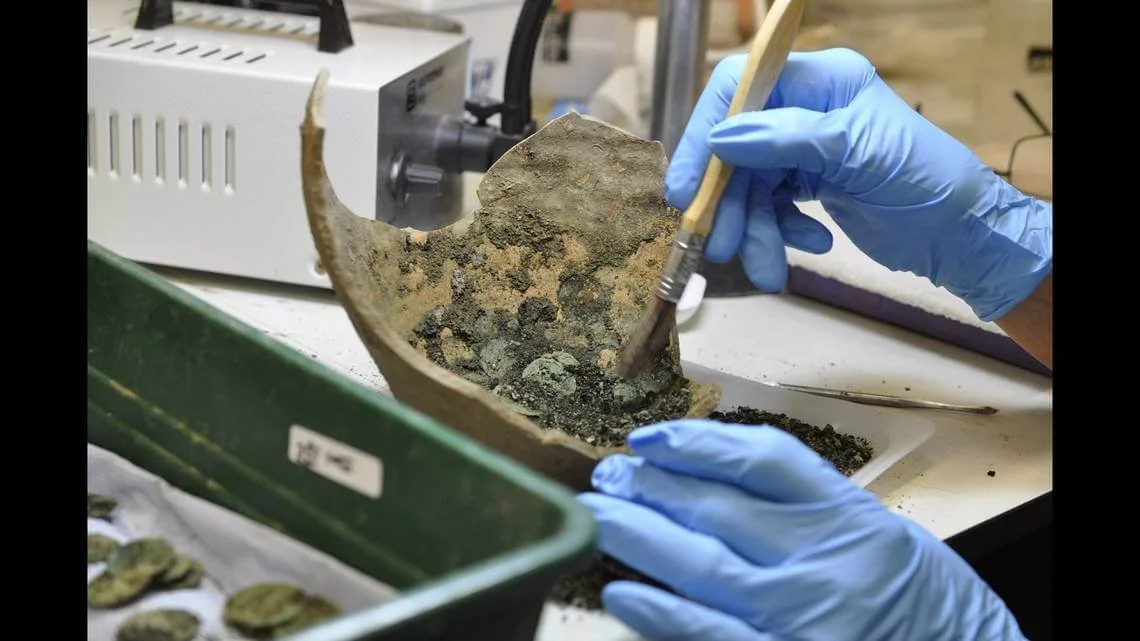
Metal detectorists discovered a trove of ancient Roman coins in Wales, museum officials said. Amgueddfa Cymru – Museum Wales
Metal Detectorists Discover Trove of Ancient Roman Coins in Wales
In a scene reminiscent of a treasure hunt, two metal detector enthusiasts, David Moss and Tom Taylor, stumbled upon an archaeological marvel in a field in Caerhun Community, Conwy, Wales. Their chance discovery, made during a rainy excursion, led to the unearthing of a large ceramic pot filled with ancient Roman coins. The find has ignited excitement among historians and archaeologists, shedding light on the rich history of the region and its connection to the Roman era.
On a fateful day in 2018, David Moss and Tom Taylor set out with their metal detectors near a site where the remains of a possible Roman temple were excavated years earlier. As they scoured the field, Moss's metal detector emitted a signal that caught his attention. He moved closer, and to his amazement, he had stumbled upon a deep object buried beneath the ground. Upon digging further, the top of a ceramic vessel filled with ancient coins was revealed. Moss described the moment of discovery, saying, "It came as a huge surprise when I dug down and eventually revealed the top of the vessel that held the coins." The pair likened their find to the renowned UK television show "Time Team," a reference to their meticulous excavation and handling of the discovery.
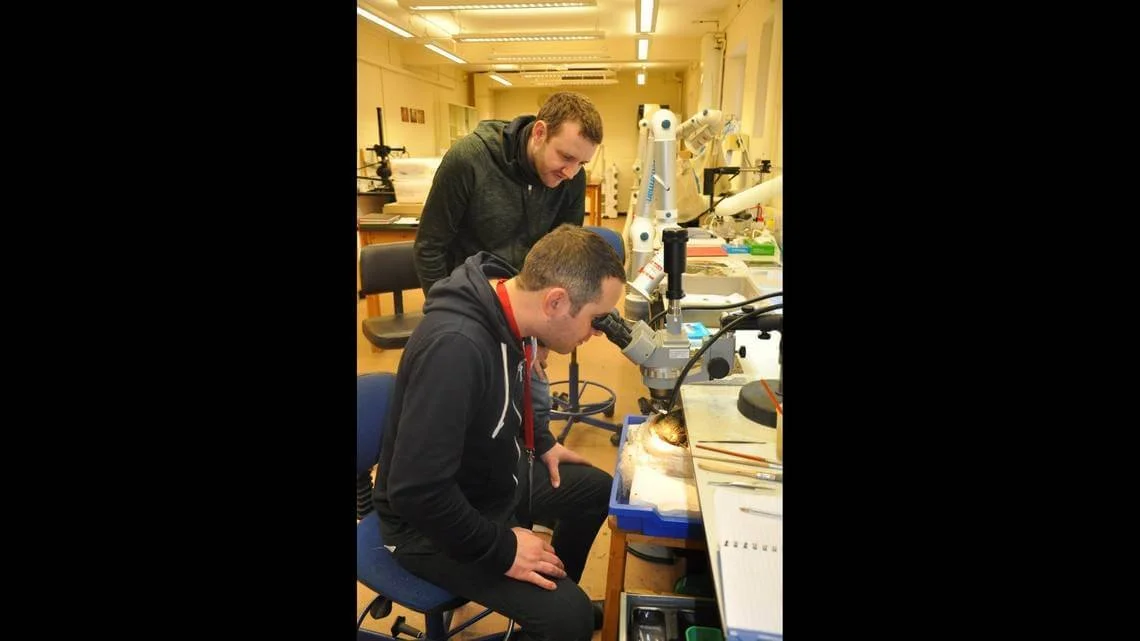
David Moss and Tom Taylor discovered the hoards of ancient coins with their metal detectors, according to museum officials. Amgueddfa Cymru – Museum Wales
The Ancient Coin Trove
Moss and Taylor carefully unearthed the ceramic vessel, and in addition to the large pot, they also discovered a smaller collection of coins. Eager to learn more about their find, they brought their discovery to officials for further examination. Officials from the Amgueddfa Cymru museum took charge of the investigation. They documented the find with photographs, created 3D models, and conducted microexcavations and CT scans to gain a comprehensive understanding of the ancient coins.
The ceramic vessel, dating back to approximately 270 A.D., held an astonishing 2,733 coins. These coins were a blend of silver and copper pieces, crafted between 32 B.C. and 270 A.D. The coins were arranged in layers within the pot, with the older ones found closer to the bottom and the newer ones towards the top. The silver pieces were primarily contained within two leather bags, while the copper pieces were loosely scattered. Additionally, 37 silver coins were discovered scattered nearby, ranging in date from 32 B.C. to 221 A.D. Experts believe that these coins were likely buried in the 220s A.D.
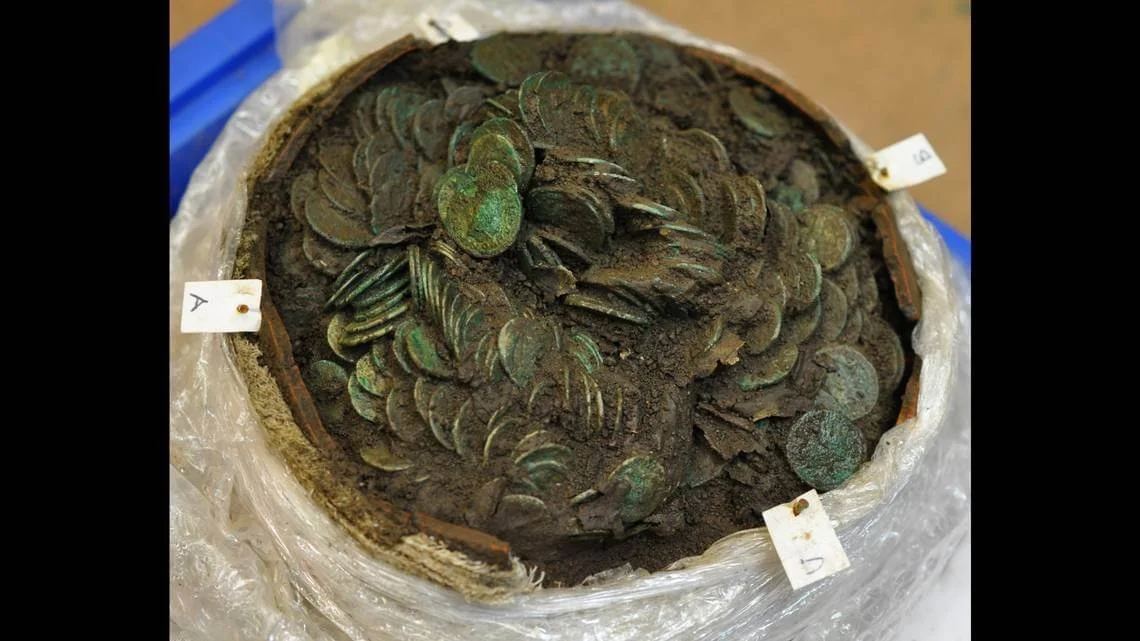
The coins were layered in a large ceramic vessel, officials said. Amgueddfa Cymru – Museum Wales
Historical Significance
The presence of these ancient coins has generated excitement among historians and archaeologists. The proximity of the discovery to a Roman temple dating back to the third century A.D. suggests a strong historical connection. Experts believe that the coins may have been buried in this area for religious or protective reasons, possibly as votive offerings or for safekeeping under the temple's deity's protection. There is also a theory that these coins may have belonged to soldiers stationed at the nearby Roman fort of Canovium.
The remarkable discovery by metal detector enthusiasts David Moss and Tom Taylor in Wales has unearthed a trove of ancient Roman coins, offering a tantalizing glimpse into the region's rich history. The carefully excavated coins, spanning centuries and containing valuable insights into the past, have ignited fresh interest among historians and archaeologists. As experts continue to study these ancient artifacts, they are sure to reveal more secrets about the ancient Romans' presence in this region.
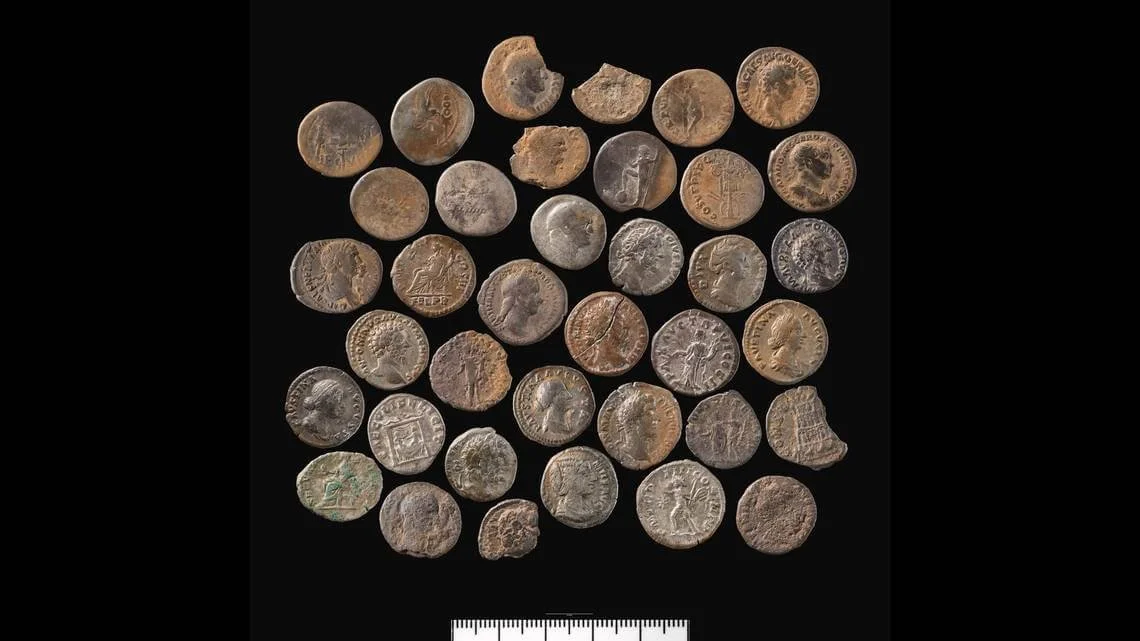
The coins date to between 32 B.C. and 270 A.D., experts said. Amgueddfa Cymru – Museum Wales

The latest dig has already turned up a handful of previously undiscovered fragments from the slab / © AFP
How a rock from the Bronze Age was used by researchers as a "treasure map"
The Saint-Belec slab, a piece of rock with mysterious markings that lay largely unstudied for 4,000 years, is now being hailed as a "treasure map" for archaeologists in north-western France. This ancient map, discovered in 1900 but not recognized for its significance until 2014, has sparked considerable interest among researchers.
The Saint-Belec slab is considered Europe's oldest map, and researchers have been working to decipher its markings to help them date the slab and rediscover lost monuments. The map covers an area of roughly 30 by 21 kilometers. To find archaeological sites, the team plans to survey this entire territory and cross-reference the markings on the slab with contemporary maps. This process could take up to 15 years.

Archaeologists have spent the past few weeks digging at the site where the slab was initially uncovered / © AFP
The slab is covered in engraved symbols, some of which immediately made sense to the researchers, representing rivers and mountains in the Roudouallec region of Brittany. These maps matched current maps with an 80% accuracy rate. However, they still need to identify all the geometric symbols and legends associated with them.
The slab also features small hollows, which are believed to indicate burial mounds, dwellings, or geological deposits. Deciphering the meaning of these symbols could potentially lead to many new discoveries.
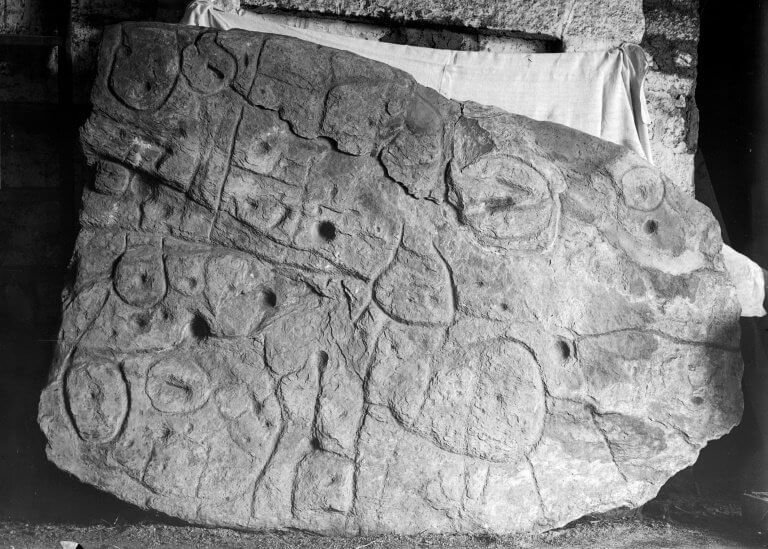
The so-called Saint-Belec slab was claimed as Europe's oldest map by researchers in 2021 / © Archives departementales du Finistere/AFP/File
In recent weeks, the archaeologists have been conducting excavations at the site where the slab was initially found, which is believed to be one of the largest Bronze Age burial sites in Brittany. This dig has already yielded previously undiscovered fragments of the slab, suggesting that it had been broken into pieces and used as a tomb wall. This use of the slab as building material may signify shifting power dynamics in Bronze Age settlements, possibly indicating a kingdom's collapse due to revolts and rebellions.

3,600-Year-Old Shipwreck in Turkey Reveals Ancient Treasures And Continues to Amaze
Turkey's rich cultural heritage has once again been brought to the forefront as the Kumluca Middle Bronze Age shipwreck, believed to be one of the oldest known shipwrecks in the world, continues to yield significant findings for underwater archaeology. Located off Turkey's southern coast near Antalya, this ancient maritime treasure trove is rewriting history with each new discovery.
A dedicated team of 40 experts, led by the distinguished professor Hakan Öniz, has been conducting underwater excavations in the depths of the Mediterranean Sea. Recent findings have shed light on the ship and its crew, offering a glimpse into a bygone era.
Thanks to advanced technology and the use of underwater robots, this intrepid team has successfully recovered a treasure trove of artifacts, including 30 copper ingots, amphoras, and personal belongings that once belonged to the sailors who manned the ship. These incredible items, once hidden beneath the waves, now bear testament to Turkey's prominent role in early history, epic tales, maritime trade, and shipbuilding.
Divers equipped with air tubes have been meticulously extracting these valuable relics from the shipwreck, which sank approximately 3,600 years ago at a depth of around 50 meters (164 feet). Some of these artifacts require a month of delicate work, employing small tools and vacuum devices to ensure their safe retrieval.
Among the most remarkable finds are the copper ingots, which served as currency during the ship's time. These ingots provide insights into Turkey's past and its connections with distant lands. According to Professor Öniz, "This ship, which was probably loaded with copper from mines on Cyprus Island, sank during a storm on its way to the island of Crete, roughly 3,550 to 3,600 years ago. In this context, the Kumluca Middle Bronze Age shipwreck still holds the title of the world’s oldest trade shipwreck."
To ensure the preservation of these historical treasures, all recovered items are subject to a meticulous salt removal process at the Antalya Restoration and Conservation Regional Laboratory. This ongoing work at one of the world's oldest shipwrecks, situated at great depths, underscores Turkey's prominence in the field of underwater archaeology.
The Kumluca Middle Bronze Age shipwreck not only enriches our understanding of the past but also stands as a testament to Turkey's dedication to preserving its cultural heritage. With each new discovery, this ancient shipwreck unveils stories of the past, reminding us of the enduring importance of underwater archaeology in uncovering the secrets of our shared history.

Greek Subway to Antiquity: Thessaloniki's Metro Project Resurrects Its Ancient Heritage
By the archaeologist editor group
From Ancient Roots to Modern Rails: The Ancient City Beneath Thessaloniki's Metro
The ancient city of Thessaloniki, nestled in the heart of Greece, has long been a treasure trove of history and culture. But it's not just what's on the surface that tells the story of this vibrant metropolis. Under the bustling streets and modern cityscape lies an archaeological wonder waiting to be explored. Thanks to the ambitious Thessaloniki Metro project, this hidden world is now coming to light.
The Minister of Culture, in her recent statement, highlighted the significance of the Thessaloniki Metro project and the remarkable archaeological discoveries it has unearthed. She emphasized the government's commitment to preserving the cultural heritage of the city while simultaneously fostering development and progress for its citizens. In her words, "The cultural heritage does not tarnish the development perspective of our country. It is a comparative advantage and a multiplier of our economic and social progress."
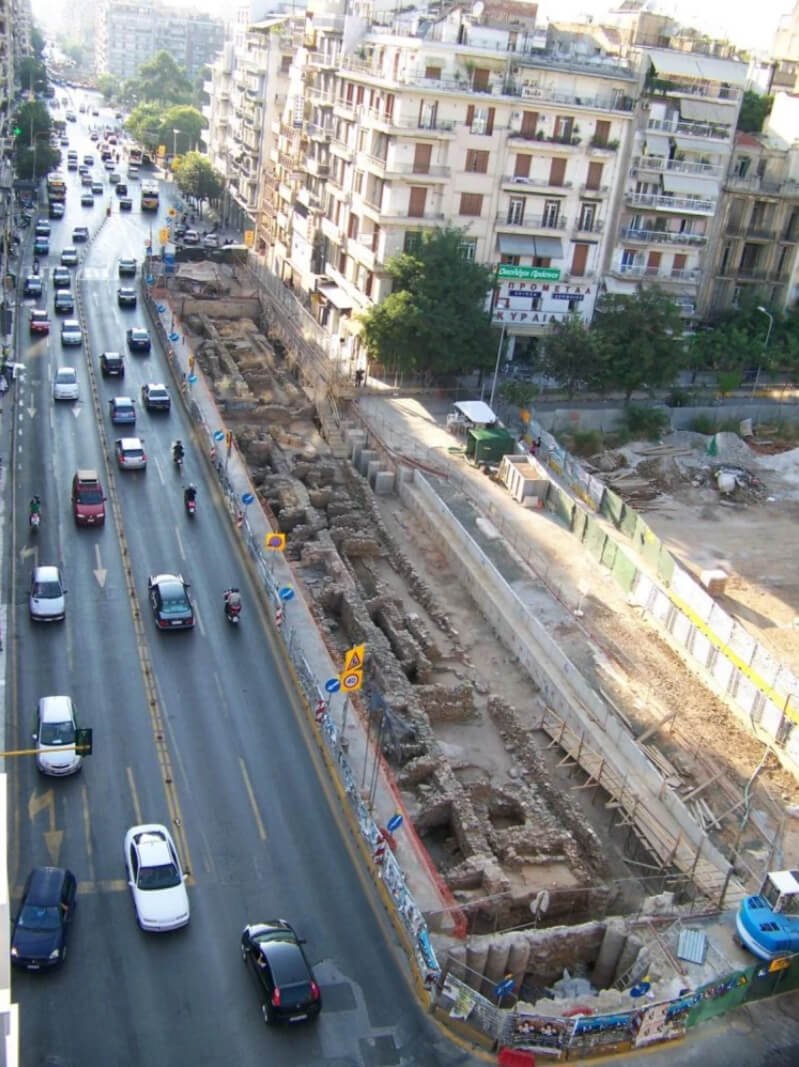
The Thessaloniki Metro Project, one of the largest rescue excavation research endeavors ever undertaken in Greece, has provided an unparalleled opportunity to uncover the city's rich history. Stretching from its foundation in the time of Cassander in the 4th century BC to the early 20th century, this excavation has revealed a layered tapestry of human civilization. The heart of the project lies in the historical center of Thessaloniki, both inside and outside the ancient city walls, where the density of ancient remains is astonishing. These relics are so close to the modern road surface that they're often revealed at a depth of up to 9 meters.


Particularly noteworthy are the "Venizelos" and "Agia Sophia" stations, where the density of antiquities and the sheer number of mobile finds—over 300,000—speak to the rich history of Thessaloniki. The site tells the story of habitation from Hellenistic times to the Byzantine era, with a focus on the latter.
Out of the thirteen Metro stations in total, artifacts have been discovered at the two historical center stations ("Venizelou and Agia Sofia"), stations outside the city walls to the west ("Demokratias, Neos Sidirodromikos Stamhos"), and to the east ("Fountain," "University," "Fleming," and "Pylaia Station"). To protect and promote these invaluable antiquities, the Ministry of Culture deemed it necessary to construct shelters. These structures serve to shield the fragile remains from environmental factors and rainwater while also providing a viewing opportunity, primarily along the Egnatia axis.

Moreover, the archaeological site at the southern entrance of the "Venizelos" Station has been enhanced. The circular marble-paved square has been repositioned, and a section of the portico pilaster has been restored. Additionally, two intact columns made of atrachium stone, discovered during excavation, have been carefully restored.
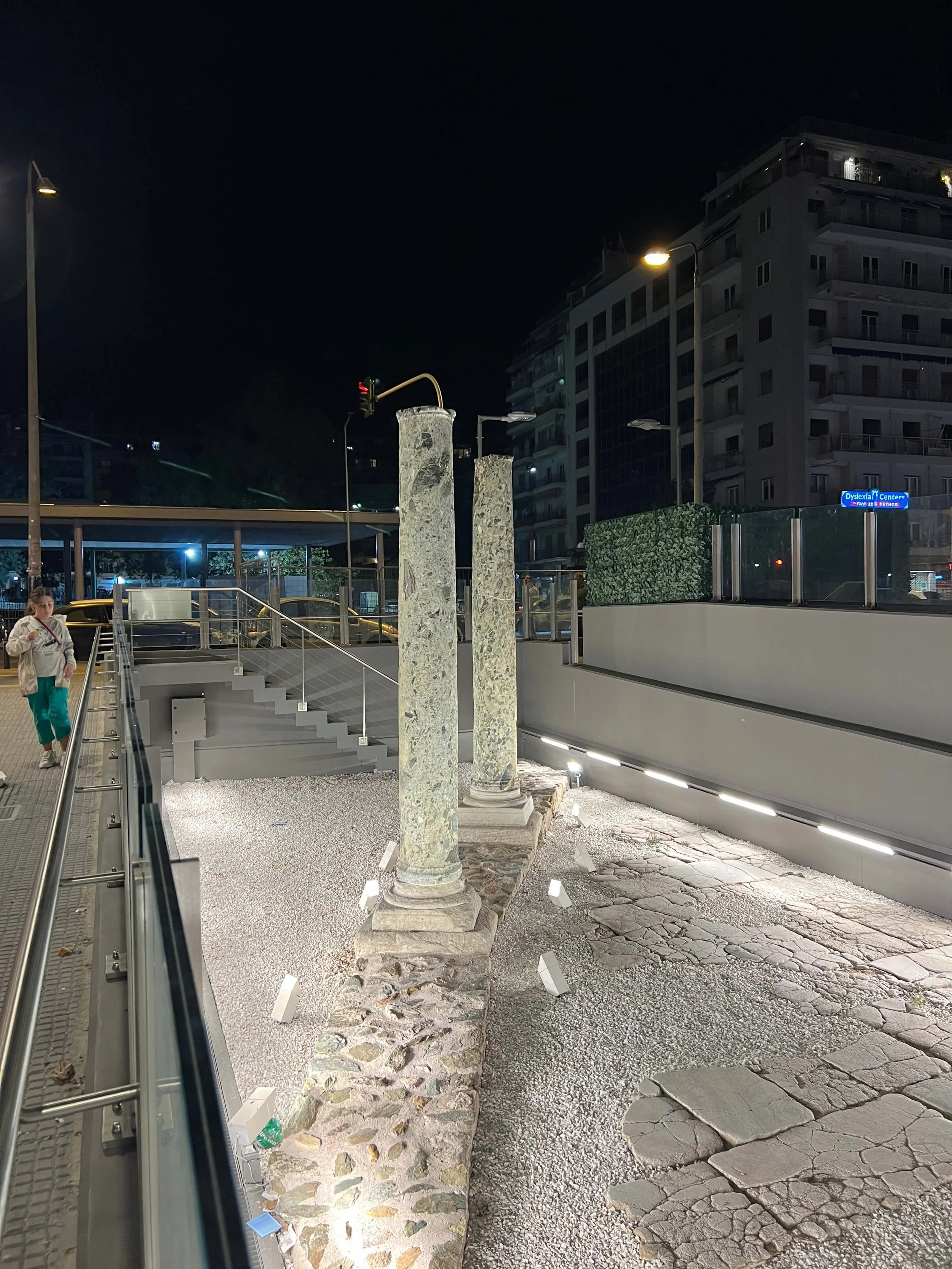
Inside the "Venizelos" Station, as well as at "Democracy Square," "Fountain," "Agia Sophia," and "Fleming" Stations, exhibition interventions will showcase the unique character of each area of the city. At Agia Sophia, the focus is on the overall stratigraphy and the overlapping historical phases, providing a comprehensive view of the city's history. The movable findings from the excavation will also be exhibited in showcases.
The collaboration between the Ministry of Culture and Hellenic Metro throughout the project highlights the success of a well-planned cultural policy. Thessaloniki Metro demonstrates that the presence of antiquities within a major public project can be a significant advantage. Archaeological research weaves stories from the city's eternal life, creatively merging with the development perspective of modern cities. The historical value derived from the archaeological research, especially at the "Agia Sophia" and "Venizelou" stations, where residential evidence of Cassander's Thessaloniki was uncovered, is immeasurable.

In just a few months, the Metropolitan Railway, with its five station museums, the archaeological site at Hagia Sophia, and the largest international archaeological site integrated into a major technical project, will become a part of Thessaloniki's daily life. This project promises to not only change the city but also enrich the lives of its residents and visitors alike. As the Minister of Culture aptly put it,
"The Metropolitan Railway is a project that will change the daily life of the city—a gift to the people of Thessaloniki, connecting them with their rich past and promising an exciting future."

Scientists Reconstruct the Face of Homo Heidelbergensis: A Glimpse into Our Distant Ancestors
Anthropologists in Greece have undertaken an awe-inspiring endeavor to shed light on the enigmatic Homo heidelbergensis, a relatively obscure cousin of the Neanderthals who roamed the Earth between 700,000 and 200,000 years ago. Using state-of-the-art facial reconstruction techniques, these scientists have meticulously crafted a portrait that offers a tantalizing glimpse into what Homo heidelbergensis might have looked like.
Homo heidelbergensis, an extinct species within the Homo genus, left behind a fossil record dating back to the Middle Pleistocene era, spanning across Africa, Europe, and possibly Asia. This species possessed distinctive features, including a prominent browridge, a larger braincase, and a flatter facial structure when compared to its older hominid counterparts.
One of the most remarkable aspects of Homo heidelbergensis was its ability to adapt to colder climates, characterized by its short and wide physique, likely an evolutionary response to conserve heat. Notably, this species pioneered the art of shelter-building, constructing rudimentary dwellings from wood and rock—a testament to their resourcefulness. They were also the earliest known hunters of large animals, leaving behind fossilized remains of wild creatures such as deer, horses, elephants, hippos, and rhinos, bearing telltale butchery marks. Wooden spears unearthed at sites like Schöningen, Germany, further attest to their prowess as hunters.

Frontal view of the portrait of Homo heidelbergensis from Petralona, Greece, with hair and skin pigmentation. Image credit: Aidonis et al., doi: 10.1016/j.jasrep.2023.104206.
The origins of the name "Homo heidelbergensis" can be traced back to 1908, when it was coined to accommodate the discovery of an ancient human jaw in a quarry near Heidelberg, Germany. However, it was only towards the end of the 20th century that this species gained broader recognition due to the unearthing of additional fossil specimens. Notable among these discoveries are specimens from Bodo in Ethiopia, Kabwe in Zambia, Ndutu in Tanzania, Petralona in Greece, Arago in France, and potentially Dali in China.
The ambitious task of reconstructing the face of Homo heidelbergensis was entrusted to anthropologist Christina Papageorgopoulou and her colleagues at Democritus University of Thrace. They turned to the well-preserved skull found in Petralona, Greece, a treasure trove of anatomical information that has played a pivotal role in unraveling the mysteries of our ancient relatives.
"The Petralona skull is one of the most anatomically complete human fossils of the Middle Pleistocene and a key paleoanthropological finding in Europe," emphasized the researchers. It was serendipitously discovered in 1960 during an amateur exploration of Petralona Cave, nestled in the rugged landscapes of Chalkidiki, Northern Greece.

The skull is kept in the Museum of Geology, Paleontology and Paleoanthropology of the Aristotle University in Thessaloniki
Currently housed in the Museum of Geology, Palaeontology, and Paleoanthropology of the Aristotle University of Thessaloniki, the Petralona skull has yielded critical insights. The scientists deduced that this skull belonged to a male individual, judging by its sexually dimorphic characteristics. Furthermore, the closure of cranial sutures indicated a young age, likely no older than 35 years, with an estimated body mass of approximately 52 kilograms.
To bring the face of the Petralona man to life, the team employed a cutting-edge Artec Spider 3D scanner to digitize a cast of the original skull. While the facial skeleton remained intact and undistorted, minor deformations in the rear of the vault and temporal bones had no bearing on the facial morphology. However, a key piece was missing—the mandible. In this critical juncture of reconstruction, the researchers turned to the Mauer jaw, often referred to as the holotype specimen of Homo heidelbergensis. This ancient relic, dated to approximately 609,000 years ago, provided a vital missing link.
The resulting facial approximation of the Petralona man showcased characteristic features: a sloped forehead, massive brow ridges, and facial robusticity that set Homo heidelbergensis apart from both Neanderthals and anatomically modern Homo sapiens. This meticulous reconstruction provides an invaluable window into the past and enhances our understanding of our distant ancestors.
"This facial approximation of the Petralona man represents a milestone in paleoanthropological research, marking the first hominin facial approximation derived from Greek material," the researchers remarked. While acknowledging the inherent limitations of facial approximation techniques, especially when applied to archaic hominins, they underscored the immense potential of this method in cultural, educational, and scientific contexts.
In an age marked by rapid technological advancements, encompassing fields like medical imaging, geometric morphometrics, ancient DNA analysis, 3D scanning, image processing, and virtual reality, facial approximation stands poised to become an invaluable tool for the dissemination of cultural heritage and scientific exploration. The unveiling of Homo heidelbergensis's visage is not just a tribute to our ancestral lineage but also a testament to the power of cutting-edge technology in reconstructing the past.
The team's groundbreaking research, which ushers us closer to our ancient relatives, has been published in the Journal of Archaeological Science: Reports, marking a significant milestone in our quest to understand the fascinating tapestry of human evolution.
References:
Asterios Aidonis et al., 2023 Digital 3D facial approximation of the Petralona skull Methodological issues and applications Journal of Archaeological Science: Reports 51: 104206; doi: 10.1016/j.jasrep.2023.104206.

10 Most Ancient Surviving Books in Human History
The written word has been a cornerstone of human civilization for millennia. From clay tablets and scrolls to modern-day books, the medium for recording knowledge has evolved significantly over time. The question of the oldest surviving book is a complex one, as it depends on how we define a book and its significance. In this article, we'll delve into ten of the most ancient known surviving books in the world, each with its unique historical and cultural significance.
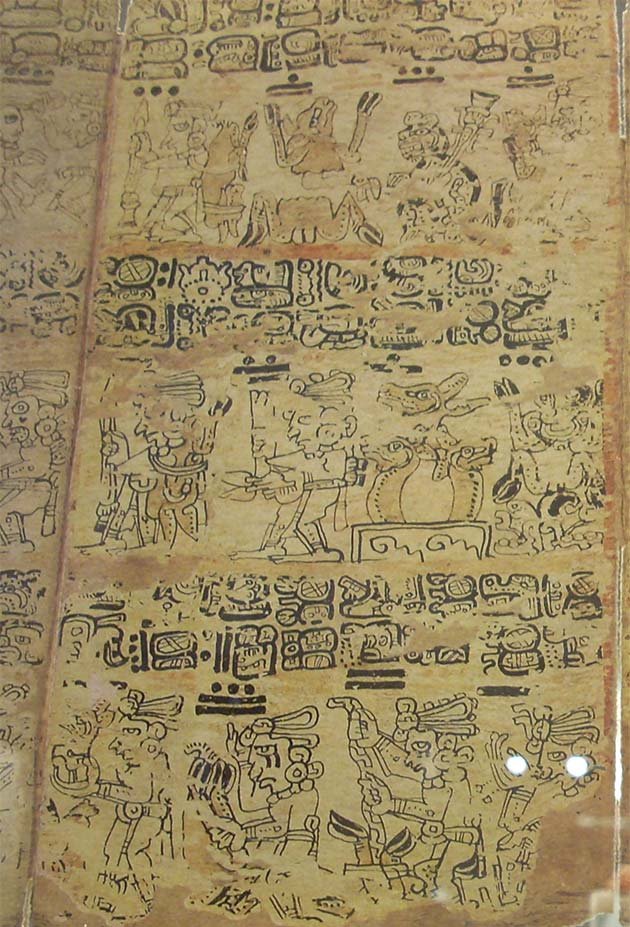
Scenes connected to the hunt, Madrid Codex
1. Madrid Codex (Estimated age: 494 years old)
The Madrid Codex, also known as the Tro-Cortesianus Codex, is a rare treasure from the pre-Columbian Maya culture, dating back to around 900–1521 AD. It was discovered in Spain in the 1860s and is currently housed in the Museo de América in Madrid. Experts debate its exact creation date, but some suggest it predates the Spanish conquest of the 16th century. Written in Yucatecan, a group of Mayan languages, this codex provides valuable insights into the Mayan civilization.

Gutenberg Bible of the New York Public Library. Bought by James Lenox in 1847, it was the first copy to be acquired by a United States citizen.
2. Gutenberg Bible (Estimated age: 559 years old)
The Gutenberg Bible, also called the 42-line Bible, stands as the world's oldest mechanically printed book, with the first copies produced in 1454–1455 AD by Johannes Gutenberg in Mainz, Germany. While China had earlier examples of book printing, such as the Diamond Sūtra, this Bible marked a significant advancement in Western printing technology. There are 48 known original copies, with 21 complete copies. The New York Public Library owns one of these iconic editions.
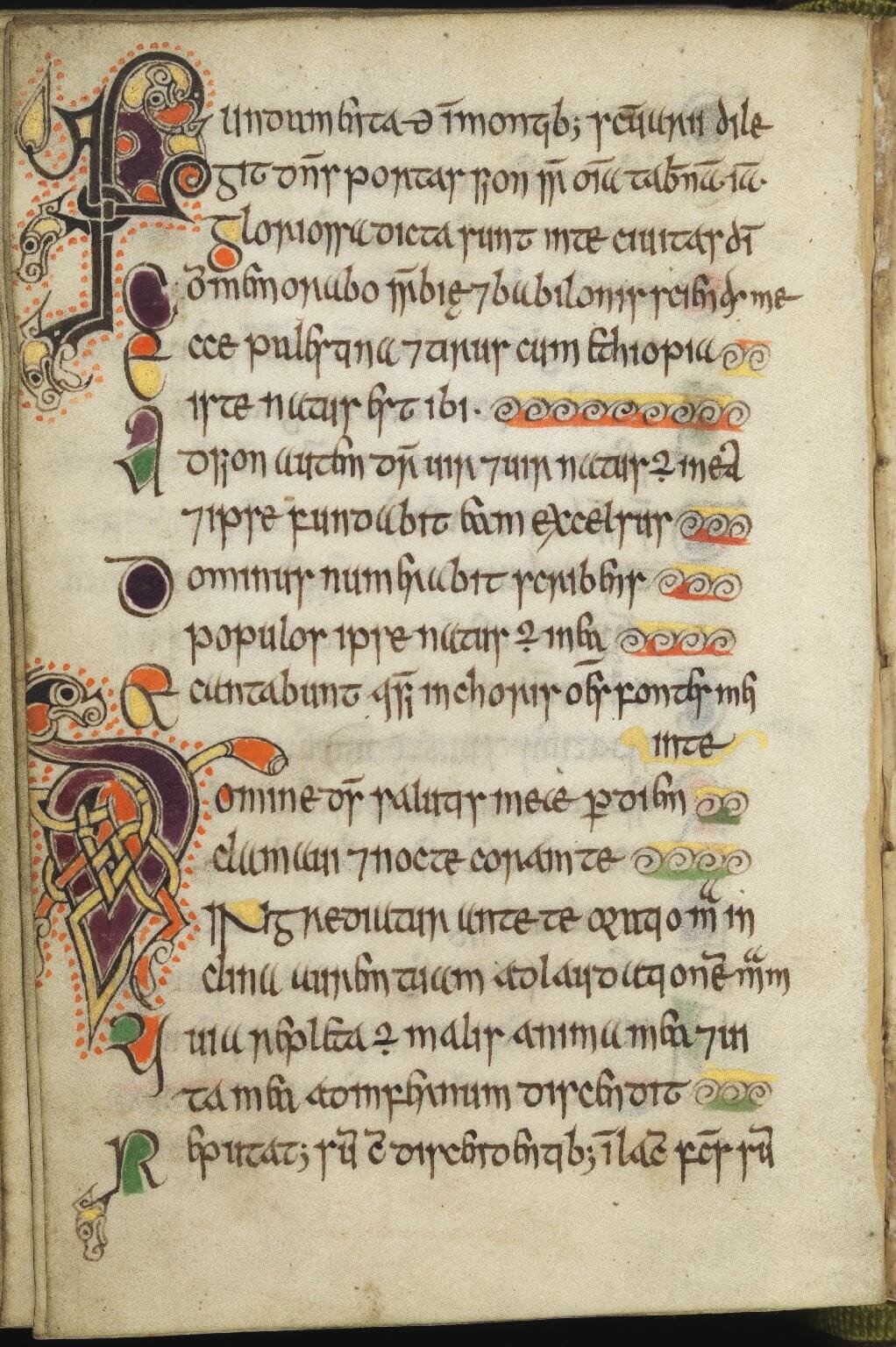
3. Celtic Psalter (Estimated age: 938 years old)
Scotland's answer to the Book of Kells, the Celtic Psalter, is a pocket-sized book of Psalms. Created in the 11th century AD, it is Scotland's oldest surviving book. In 2009, it went on public display at the University of Edinburgh, allowing admirers to appreciate its historical and artistic significance.
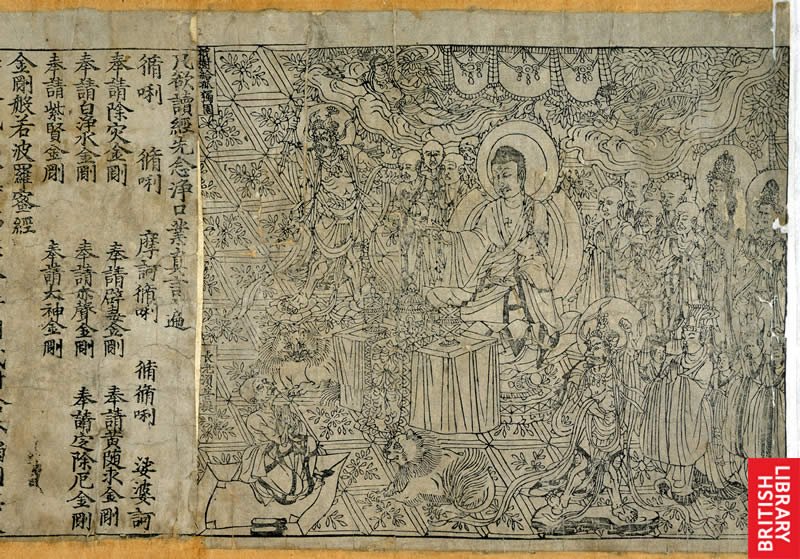
4. Diamond Sūtra (Estimated age: 1,145 years old)
The Diamond Sūtra, a Buddhist holy text, claims the title of the world's oldest surviving dated printed book. Unearthed in China in a sealed cave, this scroll consists of Chinese characters printed on gray paper and dates back to May 868 AD. What sets this text apart is an inscription at the end detailing the book's creation by Wong Jei on his parents' instructions.
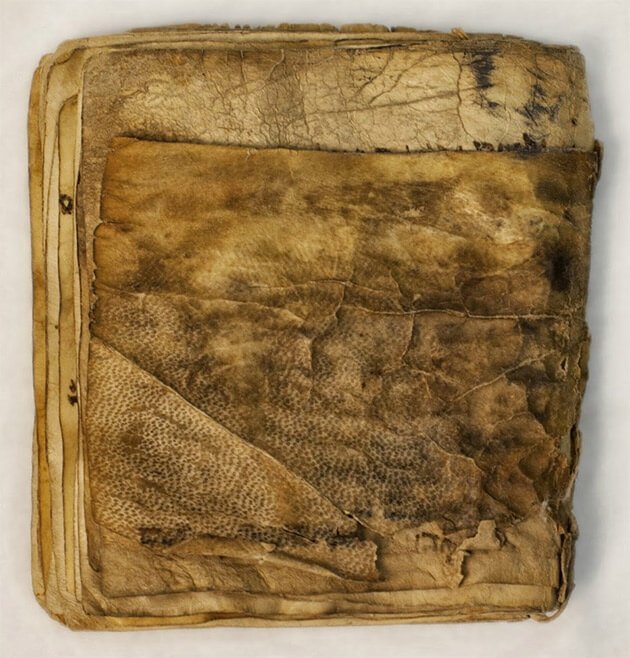
5. Siddur, Jewish Prayer Book (Estimated age: 1,173 years old)
In 2013, a remarkable discovery was made—a Jewish prayer book, or'siddur,' dating back to around 840 AD. This parchment, still in its original binding, features Babylonian vowel pointing, reflecting the language of the Geonim during the Middle Ages. This remarkable find offers a glimpse into the religious practices of that era.
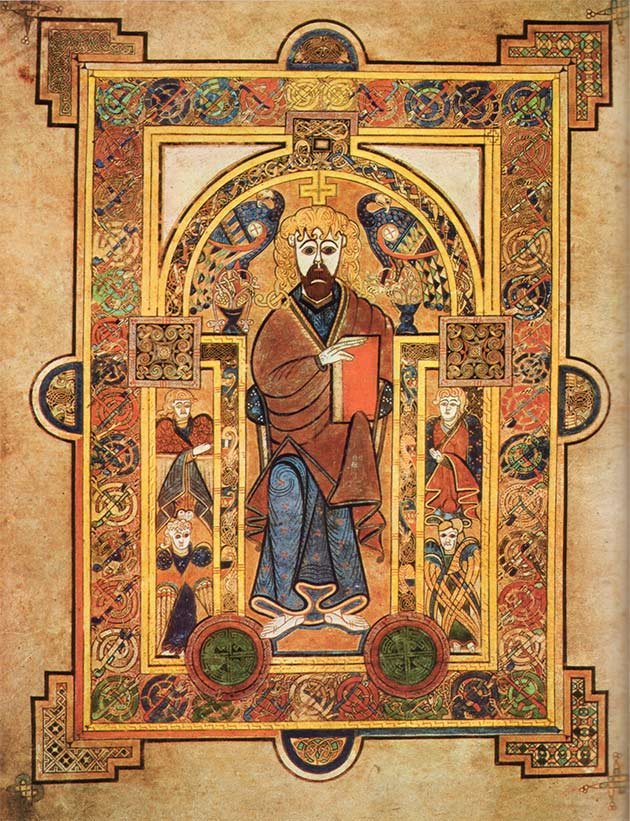
6. Book of Kells (Estimated age: 1,213 years old)
Housed in the Trinity College Library in Dublin, Ireland, the Book of Kells is a masterpiece created by Celtic monks around 800 AD. This illuminated manuscript Gospel book is written in Latin and contains the four Gospels of the New Testament. Its intricate designs and vivid illustrations make it a marvel of medieval artistry.
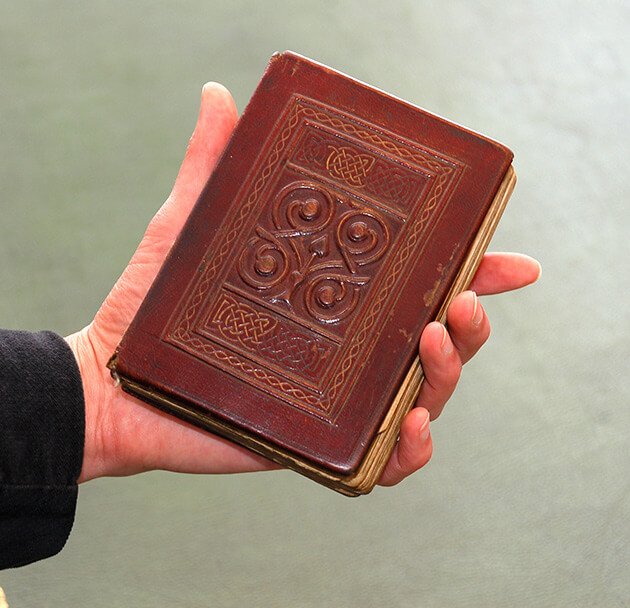
7. St Cuthbert Gospel (Estimated age: 1,315 years old)
Europe's oldest known surviving intact book is the St. Cuthbert Gospel. It was acquired by the British Library in 2012 for £9 million as part of a fundraising campaign. This book was buried with St. Cuthbert, an early British Christian leader, around 698 AD. Its journey through history, surviving Viking conquests and rediscovery in 1104 AD, adds to its historical significance.
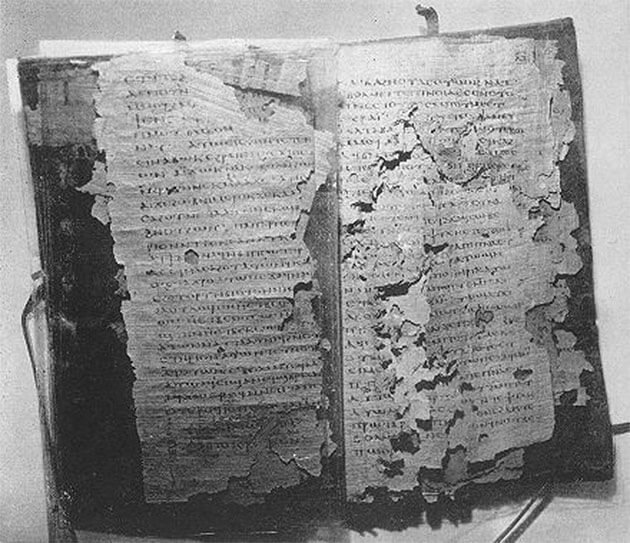
8. Nag Hammadi Library (Estimated age: 1,693 years old)
Considered among the oldest surviving bound books, the Nag Hammadi Library consists of 13 leather-bound papyrus codices discovered in 1945 in Upper Egypt. These codices contain Gnostic texts and are dated to the first half of the 4th century AD. They are currently housed in the Coptic Museum in Cairo, shedding light on early Christian thought.
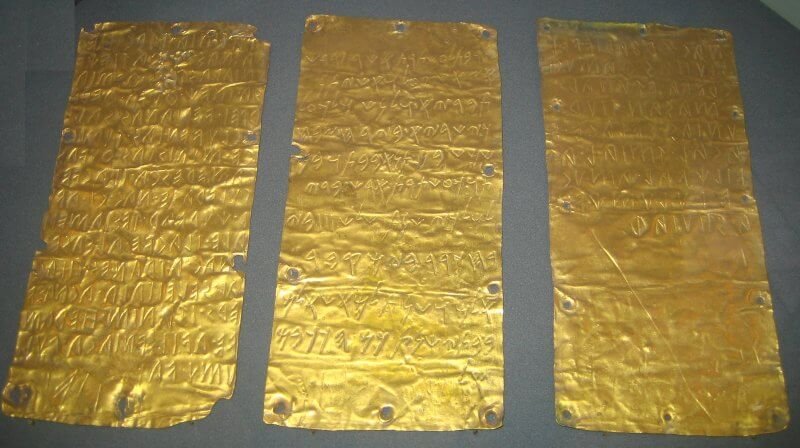
9. Pyrgi Gold Tablets (Estimated age: 2,513 years old)
In 1964, three gold plates were discovered in ancient Pyrgi, Italy, dating back to 500 BC. These plates, written in Etruscan and Phoenician, comprise a dedication from King Thefarie Velianas to the Phoenician goddess Astarte. Their display at the National Etruscan Museum in Rome offers a glimpse into the ancient Etruscan civilization.
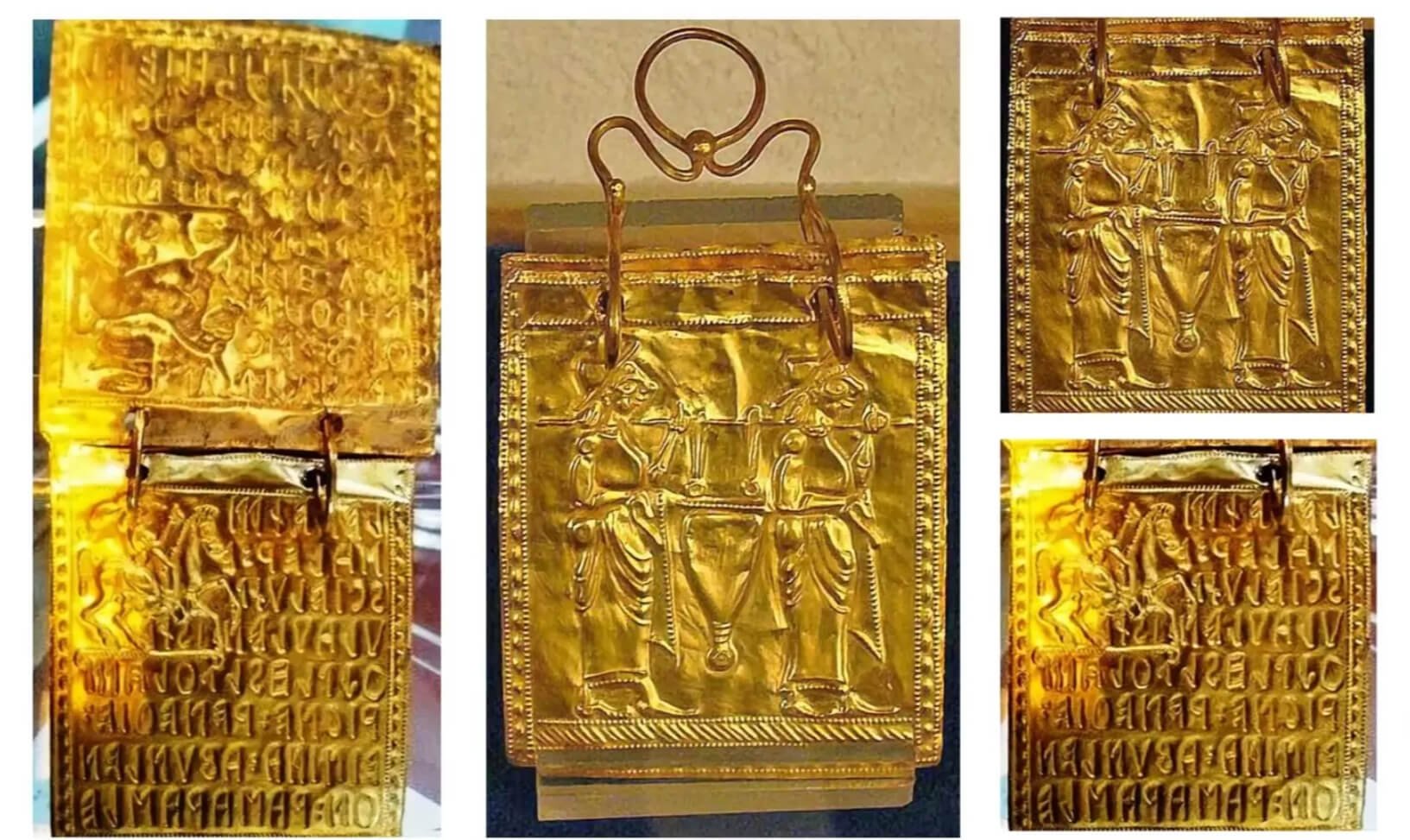
10. Etruscan Gold Book (Estimated age: 2,673 years old)
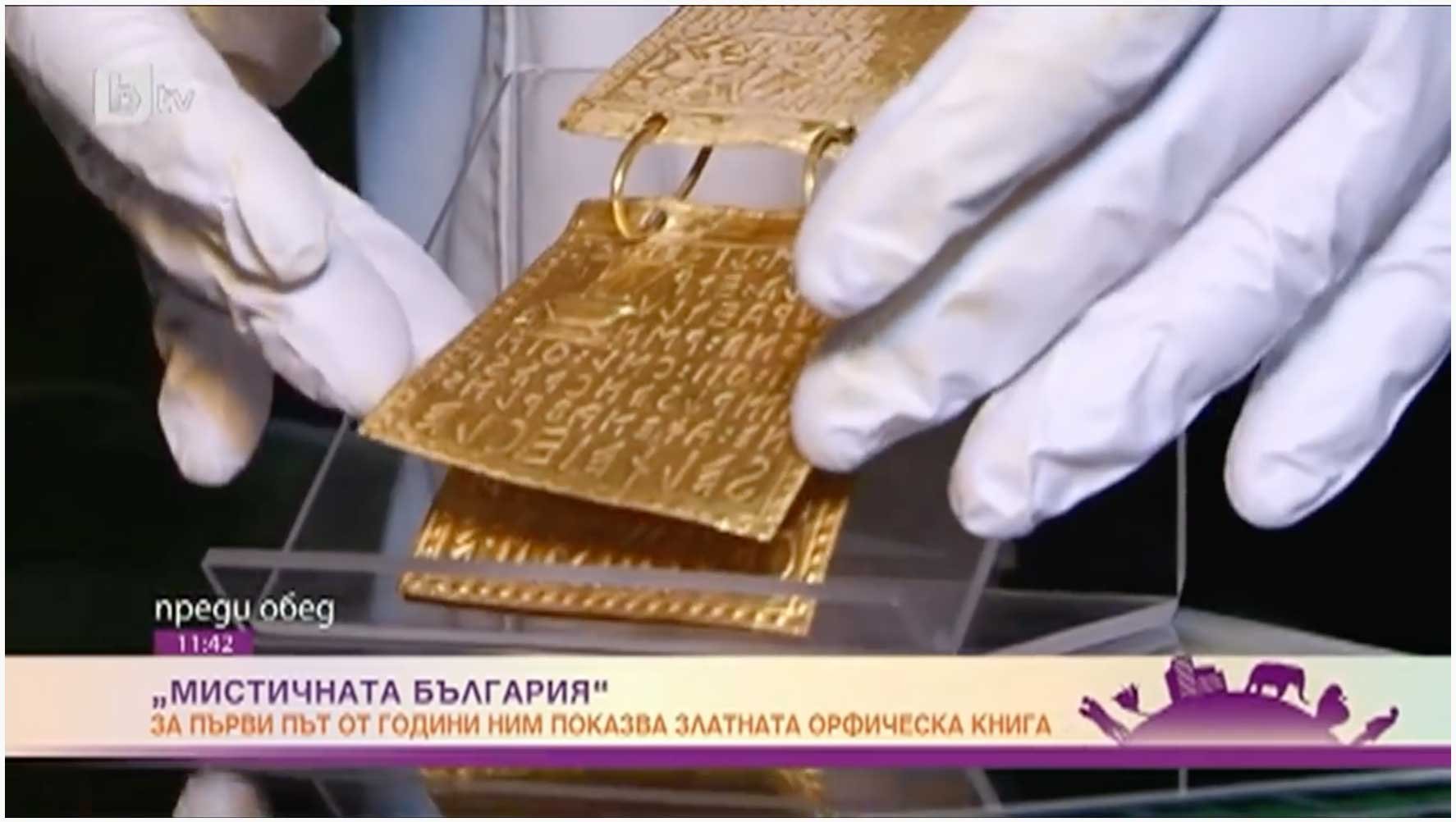
The Etruscan Gold Book, dating to about 660 BC, is thought to be the world's oldest multi-page book. Comprising six sheets of 24-carat gold bound together with rings, this remarkable artifact features Etruscan characters and depictions of a horse, a horseman, a siren, a lyre, and soldiers. It was donated to Bulgaria's National History Museum in Sofia by an anonymous donor.
These ten ancient surviving books provide windows into the rich tapestry of human history, culture, and knowledge. From the Mayan civilization to the dawn of printing technology in Europe, and from religious texts to illuminated manuscripts, these books transcend time, connecting us with our ancestors and their wisdom. They are not just records of the past but treasures that continue to inspire and educate generations.

Illustration by Dimosthenis Vasiloudis
The Golden Etruscan Orphic Book: The World's Oldest Book
Bulgaria's Golden Wonder: The Tale of the Etruscan Orphic Book
The ancient world holds many secrets, waiting for intrepid archaeologists to unveil them. Among these mysterious artifacts, one gleams brighter than most—the Golden Book of Orpheus. Currently showcased in the National Historical Museum in Sofia, Bulgaria, it is not just a treasure trove of history but a testament to human craftsmanship and spiritual endeavors from millennia ago.
Discovery and History
The Golden Orphism Book was discovered quite serendipitously about 70 years ago. As a soldier toiled away, digging a canal around the Struma River, he stumbled upon what would later be recognized as one of the world's oldest preserved books.
Dating back to around 660 BC, this ancient codex is comprised of six pages, each measuring 5 cm by 4.5 cm. Made from 23.82-karat gold, these pages are bound together with gold rings, presenting a dazzling and magnificent sight. The entire artifact weighs a delicate 100 grams.

Etruscan Influence and Cultural Significance
The contents of the book are written in Etruscan characters, a language of the Etruscans, an ancient civilization that originated in Lydia (modern-day Turkey) and was later settled in central Italy almost three millennia ago. Illustrations on the plates depict various symbols and figures, such as a horse, a horseman, a siren, a lyre, and soldiers, pointing towards the rich cultural tapestry of that era.
The book's Etruscan connection, particularly its writings, hint at the mystical rites and practices surrounding death. Scholars believe this artifact is related to the funeral of an aristocrat devoted to the Orphic cult, a belief system rooted in the mythic tales of Orpheus.

Orphic Connection
Orphism, tied closely to Thracian and Hellenistic traditions, found resurgence in the 6th century BC with the Greek philosopher Pythagoras. Its origins in Thrace make the discovery of the book in Bulgaria even more significant, and the linkage with Etruscan culture underlines the intermingling of beliefs in ancient times.
Interestingly, while individual pages of Etruscan "Orpheus" books have been found scattered in various parts of the world, only in Bulgaria was a complete book discovered with its pages still connected by golden rings.
Current Status and Future Studies
Generously donated to Bulgaria’s National History Museum by an anonymous 87-year-old benefactor, the book is now stored in the NIM Cellar. It has undergone extensive examination by experts both in Sofia and London, with translations of its text currently underway.
The discovery of the Golden Etruscan Orphism Book reminds us of the interconnectedness of ancient civilizations and the rich cultural legacies they left behind. As scientists and historians continue to decode its secrets, the book stands as a gilded beacon, bridging the past with the present and underscoring the enduring human quest for understanding and meaning.

The pages and cover are made of 23.82-carat gold. The quality of the work of the craftsmen who made this book indicates the advanced goldsmith techniques used by the Etruscans.
REFERENCES:
ЗЛАТНАТА ОРФЕЕВА КНИГА (The Golden Orphism Book)
Ще бъде ли потвърдена автентичността на Златната орфическа книга? (Will the authenticity of the Golden Orphic Book be confirmed?)
Какво се знае за загадъчната "златна книга"? (What is known about the mysterious "golden book"?)
ЗАГАДЪЧНАТА ЗЛАТНА “КНИГА” (THE MYSTERIOUS GOLDEN "BOOK")

Iberian Amber Imports Began Over 5,000 Years Ago: Oldest Pieces Found on Iberian Peninsula
Early Baltic Amber Trade: Ancient Exchange Networks in Northeastern Iberia
The history of human civilization is intricately woven with the exchange and trade of materials and goods. One of the most fascinating aspects of this exchange is the acquisition of rare and exotic raw materials, often referred to as "exotica," which held significant social and cultural value. In this article, based on new research, we delve into the discovery of Baltic amber in northeastern Iberia, shedding light on its implications for our understanding of early exchange networks and their role in shaping social structures. This discovery challenges traditional timelines and provides a glimpse into the complex web of cultural interactions during the Late Neolithic period.
The Enigmatic Baltic Amber
Amber, with its rich golden hues and captivating beauty, has fascinated humans for millennia. Beyond its aesthetic appeal, amber held great importance in ancient cultures due to its scarcity and the mysteries it encapsulated. The presence of Baltic amber in northeastern Iberia, dating back to the 4th millennium BC, has raised significant questions about the early movement of this precious material.

Amber bead from Cova del Frare. Photos: C. B. González edited by M. J. Vilar Welter.
Early Exchange Networks
Long-distance trade networks in ancient times were pivotal for acquiring knowledge, technologies, objects, and forging social relationships. These networks not only facilitated cooperation but also led to interdependence, social debt, and competition. Therefore, understanding how long-distance trade influenced the distribution of exotic materials is crucial for unraveling the dynamics of social power and prestige in the past.

Location of Cova del Frare (red star) and all sites mentioned in the text. 1. Cova del Frare, 2. Bòbila Madurell, 3. Can Gambús, 4. El Pendo, 5. Morín, 6. La Garma A, 7. Las Caldas, 8. La Velilla, 9. Trikuaizti I, 10. Los Lagos I, 11. Larrarte, 12. La Almoloya, 13. Cabana del Moro de Colomera, 14. Pedra Cabana, 15. El Bosc, 16. La Pera, 17. Cova de El Garrofet, 18. Muricecs, 19. Fossa del Gegant, 20. Villevenard, 21. Oyes, 22. Charavines, 23. Annecy, 24. Epone, 25. Flavacourt, 26. Méréaucourt, 27. Mériel, 28. Chouilly, 29. Ay Champagne, 30. Isturitz, 31. Thiré, 32. Narbonne, 33. Xanton-Chassenon, 34. Montagnac-Montpezat, 35. Salses, 36. Saint-Pargoire, 37. Saint Maurice-de-Navacelles, 38. Châteaurenard, 39. Montpezat. Amber deposits in Iberia are also indicated.
The Evolution of Exotica
During Late Prehistory in Europe, the use of scarce and exotic raw materials expanded dramatically. These materials included organic resources like amber, ivory, and ostrich eggshell, as well as abiotic materials like obsidian, rock crystal, and cinnabar. However, the social significance of these materials varied throughout their life cycle, depending on factors such as their rarity and their role in local, mid-, or long-distance trading networks.
Two Distinct Trade Systems
Between 3500 and 2200 cal BC, intense interactions and trade networks operated in the Western Mediterranean region. Two distinct trade systems emerged during this period. The first spanned southern Iberia, North Africa, and Sicily, involving the exchange of materials such as ostrich eggshell, ivory, and Sicilian amber. The second network encompassed northeastern Iberia, southern France, Sardinia, and Italy, leading to intensive exchange networks between these regions.

Topography of the cave. Sectors A-B, B-C, C, D and E are shown in different colours. Zones 1–4 where bones were concentrated are indicated. Square Y34, where the amber bead was found, is highlighted in red. In the picture, blocks B and C at the entrance can be observed.
The Earliest Evidence of Baltic Amber in Iberia
The most striking revelation comes from the discovery of Baltic amber in northeastern Iberia, specifically in the Cova del Frare (Matadepera, Barcelona), dating back to the middle of the 4th millennium BC. This discovery challenges traditional timelines and suggests that Baltic amber arrived in the Mediterranean and Western Europe much earlier than previously thought. The amber beads found in a Late Neolithic funerary cave provide a unique glimpse into ancient exchange networks.
Implications and Conclusions
The discovery of Baltic amber in northeastern Iberia reshapes our understanding of early exchange networks, exotic materials, and their role in shaping social structures. It suggests that these networks were highly dynamic and that exotic materials played a crucial role in the emergence and consolidation of social status and power.
As we continue to unearth archaeological treasures and analyze ancient materials, we uncover new layers of the past, revealing the intricate web of connections that defined ancient civilizations. The presence of Baltic amber in northeastern Iberia serves as a testament to the enduring fascination with exotic materials and the enduring impact of trade on human history.