• MAIN PAGE
  • LATEST NEWS
    • Lost Cities
    • Archaeology's Greatest Finds
    • Underwater Discoveries
    • Greatest Inventions
    • Studies
    • Blog
  • PHILOSOPHY
  • HISTORY
  • RELIGIONS
    • Africa
    • Anatolia
    • Arabian Peninsula
    • Balkan Region
    • China - East Asia
    • Europe
    • Eurasian Steppe
    • Levant
    • Mesopotamia
    • Oceania - SE Asia
    • Pre-Columbian Civilizations of America
    • Iranian Plateau - Central Asia
    • Indus Valley - South Asia
    • Japan
    • The Archaeologist Editor Group
    • Scientific Studies
    • Aegean Prehistory
    • Historical Period
    • Byzantine Middle Ages
    • Predynastic Period
    • Dynastic Period
    • Greco-Roman Egypt
  • Rome
  • PALEONTOLOGY
  • About us
Menu

The Archaeologist

  • MAIN PAGE
  • LATEST NEWS
  • DISCOVERIES
    • Lost Cities
    • Archaeology's Greatest Finds
    • Underwater Discoveries
    • Greatest Inventions
    • Studies
    • Blog
  • PHILOSOPHY
  • HISTORY
  • RELIGIONS
  • World Civilizations
    • Africa
    • Anatolia
    • Arabian Peninsula
    • Balkan Region
    • China - East Asia
    • Europe
    • Eurasian Steppe
    • Levant
    • Mesopotamia
    • Oceania - SE Asia
    • Pre-Columbian Civilizations of America
    • Iranian Plateau - Central Asia
    • Indus Valley - South Asia
    • Japan
    • The Archaeologist Editor Group
    • Scientific Studies
  • GREECE
    • Aegean Prehistory
    • Historical Period
    • Byzantine Middle Ages
  • Egypt
    • Predynastic Period
    • Dynastic Period
    • Greco-Roman Egypt
  • Rome
  • PALEONTOLOGY
  • About us
No results found

How Humans Lived 100,000 years ago?

December 8, 2023

The prehistoric ages are a vast expanse of human history, long before the era of written records. The basic division of prehistory is into Paleolithic Age or Old Stone Age, Mesolithic Age or Middle Stone Age, Neolithic Age or New Stone Age, Chalcolithic and Bronze Age, and Iron Age. The Paleolithic Age is further divided into three sub-periods: lower Paleolithic, middle Paleolithic, and upper Paleolithic. The lower Paleolithic era began around 2.5 million years ago and was the Stone Age of the Stone Age. People back then used basic tools, like Cleavers and hand axes, to cut, chop, and butcher animals for food. Homo abilis and Homo erectus were the early hominins who started to shape rocks into tools and master their environment.

The middle Paleolithic era, from about 300,000 to 30,000 years ago, saw an upgrade in tools, with the development of the Mousterian tool industry. The stars of the show were the Neanderthals, who were skillful hunters and gatherers with a close relationship with their environment. The upper Paleolithic era, from around 40,000 to 10,000 BC, was the age of high-tech stone tools, and blade tools were the rock stars of this period.

Reconquista - The Full History

December 8, 2023

The Visigoths settled in Spain after the fall of the Roman Empire and established a kingdom, although Spain was not as sophisticated as it had been under the Romans. By the early 8th century, the Islamic conquest had come to the neighboring shores of North Africa, and the Visigoths were in a dynastic struggle. In April of 711, Berber commander Tariq Evan Zion led a force into southern Spain, and King Roderick, the last king of the Visigoths, was killed in the Battle of Guadalupe. The Muslim army was soon heavily reinforced by the governor of Africa, and they quickly moved in and took the populated Valley of the beta's River, which they called Wadi el kebir, or the great river. The cities of Cordoba and Seville were located along its banks, and in time, these two cities would become the illustrious capitals the Arabs would call their new province Al-Andalus.

By the year 720, nearly all of the Iberian Peninsula was under the control of the Caliphate. However, a small sliver of land in the extreme north was protected by the Cantabrian Mountains, and this last bastion where the Christians were holding on by their fingernails would eventually be known as the Kingdom of Asturias. The Kingdom of Asturias takes on an almost mythological presence, at least in the minds of later Christian chroniclers. At this point in history, the Conquista was very little to do with actual conquest and retaking of Muslim land and much more to do with simply surviving, and this would be essentially its major goal for the next 300 years.

5 Mysterious Unexplained Ancient Weapons of the Crusades

December 8, 2023

The Tower of Flies was a formidable defense structure that anchored a massive chain across the harbor, creating an insurmountable barrier for any naval force daring to breach it during the Third Crusade. The tower instilled dread in the hearts of sailors and soldiers alike, and the harbor chain represented a naval commander's worst nightmare, trapping ships attempting to attack the city of Akur. The tower was likely built by the Phoenicians between the 6th and 4th centuries BC and was believed by the first Crusaders to be the site of sacrifices offered to the god Beelzebub, known as the Lord of the Flies. Another theory suggests that the tower served as a dumping ground for refuse. Though the origin of the tower's name remains shrouded in mystery and myth, it played a significant role in the defense of Akur.

The city of Jerusalem contains relics from wars of the past, including a select few ceramic jars that tell a darker tale, crafted with unusually thick ceramic and bearing traces of explosive chemicals. These jars appear to have been early incarnations of a weapon still in use today, hand grenades. Although the exact scale and effectiveness of these grenades remain uncertain, contemporary records describe the terrifying impact of jars of fire and sound thrown from city walls onto besieging armies. Beyond the walls of Jerusalem, another fearsome weapon of the era was Greek fire, capable of burning on water, wood, flesh, or any other material and playing a crucial role in Byzantine military strategy during several battles.

New Research Sheds Light on the Kartvelian Language Family of the South Caucasus

December 7, 2023

Exploring the Roots of the South Caucasian Languages: A Multidisciplinary Approach

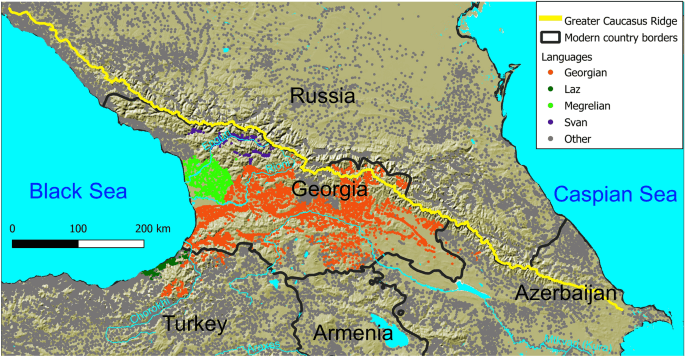
The South Caucasian (Kartvelian) language family, a cornerstone of the region's cultural and linguistic identity, has long intrigued linguists and historians alike. A recent groundbreaking study published in Nature offers fresh perspectives on its origins and evolution, employing a blend of linguistic, genetic, and ecological analyses.

The Study's Core Findings

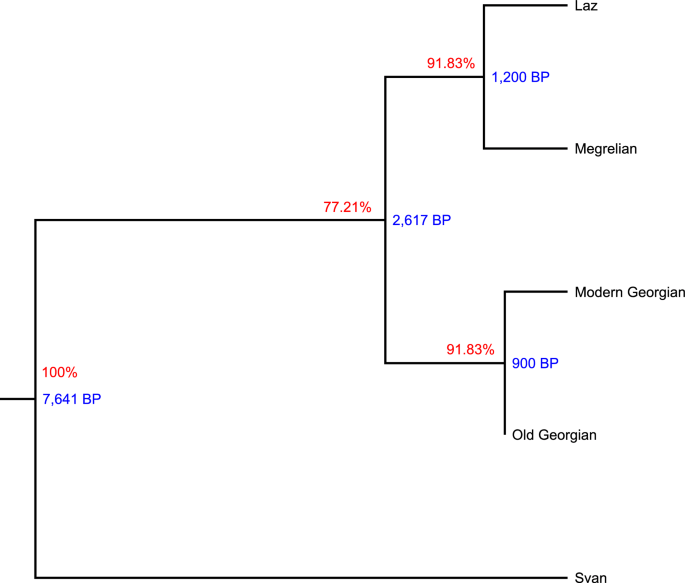
Central to the research is a reevaluation of the Kartvelian languages' divergence timeline. Utilizing Bayesian phylogenetic methods, the study proposes earlier dates for language splits than previously estimated, challenging established linguistic theories. This approach combines linguistic data with genetic and ecological evidence, offering a holistic view of the region's linguistic history.

Unraveling the Kartvelian Urheimat

Identifying the Urheimat, or original homeland, of these languages is a pivotal aspect of the study. The research not only pinpoints the geographical origins but also delves into the reasons behind the linguistic divergence. This sheds light on historical population movements and social transformations in the South Caucasus.

Implications and Conclusions

The study's findings have profound implications for understanding the cultural and linguistic landscape of the South Caucasus. By integrating diverse scientific disciplines, this research enhances our knowledge of the region's past and provides a template for future linguistic and archaeological investigations.

For a comprehensive understanding of this research, we recommend delving into the original study: "The time and place of origin of South Caucasian languages: insights into past human societies, ecosystems, and human population genetics."

In Eurasian Steppe Tags Studies

Image Credit : Konuralp Museum

Ancient Prusias ad Hypium Reveals Stunning Mosaic Depicting Lions in Dionysian Shrine

December 7, 2023

Archaeologists working in the ancient city of Prusias ad Hypium, situated in modern-day Konuralp, Turkey, have made a remarkable discovery during their recent excavations. A beautifully preserved mosaic depicting lions has been unearthed, shedding new light on the cultural and religious practices of this once-thriving Hellenistic and Roman city.

Prusias ad Hypium, an ancient city originally located in Bithynia, was integrated into the Roman Republic in 74 BC. Throughout its history, the city served as a bustling trading center, boasting a degree of autonomy in local governance and even issuing its own currency.

Rediscovered in the 19th century, Prusias ad Hypium has recently been under the careful scrutiny of archaeologists from the archaeology department of Düzce University. This excavation project, supported by the Konuralp Museum and the Municipality of Düzce, has revealed fascinating insights into the city's past.

The city's excavated remains bear the distinct characteristics of a Hellenistic polis. Among the remarkable findings are fragments of city walls, a fortified gate, an open-air theater, an aqueduct, and a well-preserved Roman bridge that spans the centuries.

One of the most captivating aspects of the excavation has been the focus on the ancient theater, locally known as the "The Forty Stairs." Built during the Hellenistic period (300–30 BC) and later expanded during Roman times, this theater has provided archaeologists with a wealth of historical treasures.

Within a room situated along the theater's central axis, researchers stumbled upon an exquisite mosaic floor. This mosaic, adorned with a geometric floral pattern, has a rectangular shape and is centered around a depiction of a pair of majestic lions, flanking a pine tree. Suspended from the tree is a tympanum (a drum or tambourine), and on one of its branches, a pan flute can be seen.

Experts believe that this room was dedicated to the cult of Dionysus, the Greek god of wine, fertility, and revelry. During Dionysian processions, it was customary for Silenus and maenads to participate by playing musical instruments such as the tympanum and pan flute, suggesting a connection between this shrine and the vibrant religious life of Prusias ad Hypium.

The discovery of this stunning mosaic not only enriches our understanding of the city's religious practices but also underscores its deep-rooted Hellenic heritage. The careful preservation of this mosaic and ongoing excavations in Prusias ad Hypium promise to reveal even more secrets about the past of this remarkable ancient city.

As archaeologists continue their work in Prusias ad Hypium, we eagerly anticipate further revelations that will provide us with a broader perspective on the cultural, religious, and historical significance of this once-thriving hub of the ancient world.

Mysterious Ancient Artifacts Uncovered in Unexplainable Places

December 7, 2023

In the following video, we will explore five mysterious ancient artifacts that have been discovered in unexplainable places, leaving historians and archaeologists baffled. The first artifact is the Voynich Manuscript, a 600-year-old manuscript found in Northern Italy in 1912 that features a looping alphabet with an unknown language and unknown author. The second artifact is the Baghdad Battery, a 2,000-year-old collection of objects found in Iraq that includes a clay jar with a copper cylinder and iron rod that may have been used for electroplating.

The third artifact is the Roman dodecahedrons, 12-sided metal objects with circular holes, whose function is still unknown. The fourth artifact is the Dropa Stones, 10,000-year-old stone discs found in China with hieroglyphics detailing the story of a spacecraft crashing into the mountains. The final artifact is the Antikythera Mechanism, a 2,000-year-old Greek device that could compute and predict astronomical events.

Sumerian Origin (the most MYSTERIOUS Civilization In History)

December 7, 2023

Sumer, located in southern Mesopotamia (now South Central Iraq), is the earliest known civilization, emerging between the 6th and 5th millennium BC. It is one of the cradles of civilization along with Egypt and the Indus Valley. Sumerian farmers grew an abundance of grain and other crops, which enabled them to form urban settlements. The Sumerians were the people of southern Mesopotamia whose civilization flourished between 4100 and 1750 BCE.

Sumer was never a cohesive political entity but a region of city-states, each with its own king. The country was the site of at least 12 separate city-states, each comprising a walled city and its surrounding villages and land, and each worshiping its own deity. The Sumerians essentially invented time by dividing day and night into 12-hour periods, hours into 60 minutes, and minutes into 60 seconds. They also left the world a number of technological and cultural contributions, including the first schools, the earliest version of the tale of the great flood and other biblical narratives, the oldest heroic epic, governmental bureaucracy, monumental architecture, and irrigation techniques. The Sumerian civilization laid the foundation for many aspects of human society from language and writing systems to complex urban centers.

Locals Were Warned Against Entering A 400 Foot Well, But Explorers Pushed Ahead

December 7, 2023

The Well of Barhout, also known as the "Well of Hell," is a 400-foot well located in the Yeni Desert on the border of Yemen and Oman. The well has been shrouded in mystery for generations, with locals avoiding it due to dark rumors and a terrifying past. According to legend, the well is the home of evil spirits and a source of limitless bad luck. The water in the well is believed to be poisonous, and those who venture inside risk being decapitated by vengeful jin. Despite the warnings, a team of seven from the Omani Caves Exploration Team recently descended into the well to see what was lurking at the bottom.

The Well of Barhout has been stigmatized for centuries and is mentioned in the writings of the Islamic scribe Iban Abbas from the 7th century. The well is believed to be a place where the souls of wicked people go to progress into the afterlife. The well has long been associated with jin, a type of spirit from Islamic mythology. According to legend, some long-dead king ordered the jin to construct the well to hide his treasure.

The team from the Omani Caves Exploration Team faced numerous challenges in planning their expedition. On the surface, the opening to the well appeared as a 100-foot gash across the desert floor. Locals warned them about the strange voices, screaming, and wild animals that could be heard from within the well. Despite the challenges, the team was eventually successful in exploring the well and discovering a vast, unexplored cavern.

Amazing Historical Artifacts That Will Allow You To Travel In Time

December 7, 2023

The article highlights 29 interesting and bizarre historical artifacts from around the world that provide a glimpse into the past. These artifacts range from a 2,000-year-old Roman silver dagger discovered in Germany to a 600-year-old medieval hat from Sweden, and from a cranioplasty surgery relic from Peru dating back to 400 AD to the head of Dionisis, the Greek god of wine, unearthed in Turkey.

Other artifacts include a pirate flag from the St. Augustine Pirate and Treasure Museum in the US, a 9,000-year-old stone mask found in Israel, and a pair of socks made of cotton and silk from 1830. These artifacts are not only fascinating but also offer insights into the cultures, customs, and traditions of civilizations that existed thousands of years ago.

25,000-Year-Old Advanced Ice Age Site of Mal'ta

December 7, 2023

Siberia is a region that is often overlooked when discussing human history, but it is estimated that the earliest human occupation dates back to around 40,000 years ago. By around 20,000 years ago, two principal cultural traditions had emerged in the region: the Avantovagora and the Moltar Buret. The Moltar Burek culture is named after two principal archaeological sites and has brought forth some of the most incredible finds ever recovered from the Ice Age world. Moltar, a multi-layered archaeological site, was excavated from 1928 to 1958 and contains a graffiti-like lithic industry with stone and ivory objects and 15 dwelling structures dated between 21,000 and 25,000 years ago.

Thirteen thousand artifacts have been discovered, and more than 850 items are considered totally unique to this culture. Personal ornamentation and mobile arts were clearly important to these people, who hunted reindeer and mammoths. The houses were semi-subterranean, made from reindeer antler and large animal bones, and likely covered with animal skins and sod to protect the people from the severe northerly winds. The ivory anthropomorphic sculptures at Moltar show several stages of human childhood, from infancy to teenagerhood, implying they did have some function and meaning. There are also adult figurines, generally female, sometimes with and sometimes without clothing and accessories.

The 5 Most Incredible Archaeological Discoveries of Recent Times

December 7, 2023

Archaeologists have discovered a well-preserved Bronze Age sword in the German town of Nordlingen, alongside the remains of a man, woman and child, and a deposit of grave goods and weaponry. The discovery is rare for the area, as most burial mounds have been looted. The sword's hilt is decorated, suggesting it had a ceremonial function or was a symbol of high status, but it would also have served as an effective weapon. Researchers are yet to classify the find, which may have been locally crafted or imported. The sword is similar to d-type Ricksheim swords, which use a solid hilt made by overlay casting of the handle over the blade. The find is rare in a region where most Bronze Age remains belong to the Earnfield culture, which developed advanced metal working skills in bronze weaponry and armor. 

Peruvian archaeologists have discovered a 3,000-year-old mummy in Lima dating to pre-Hispanic times. The mummy is thought to have belonged to the Manche culture, which developed in the valleys of Lima between 1500 and 1000 BC. The person was either left or offered as a sacrifice during the last phase of the construction of a temple. The mummy was buried with other items including corn, coca leaves and seeds.

Seven Craziest Permafrost Discoveries From Russia & Alaska

December 6, 2023

Permafrost, soil or underwater sediment that has remained below freezing for over two years, covers 15% of the Northern Hemisphere and 11% of the global surface. The permafrost has preserved many secrets and acted as a natural time capsule. As permafrost melts, remarkable finds have been unearthed, including extinct horses, nematodes, and a step bison. One of the most exciting discoveries was an almost-pristine extinct horse that was only two weeks old when it died.

The specimen still had its skin, tail, hooves, and hair, and researchers found liquid blood, which is very rare in permafrost animals. The baby horse was dated to about 42,000 years ago, making it the oldest specimen with liquid blood, sparking excitement that the blood could be used to clone the animal. Similarly, a nematode, a microscopic worm, was found in permafrost and was dated back to the Pine, around 42,000 years ago.

The nematode was able to come back to life through cryptobiosis, a physiological state in which metabolic activity is reduced to an undetectable level without stopping altogether. The specimen surprised researchers as it not only came back to life but also started reproducing.

The Amazing True Colors of Ancient Greece

December 6, 2023

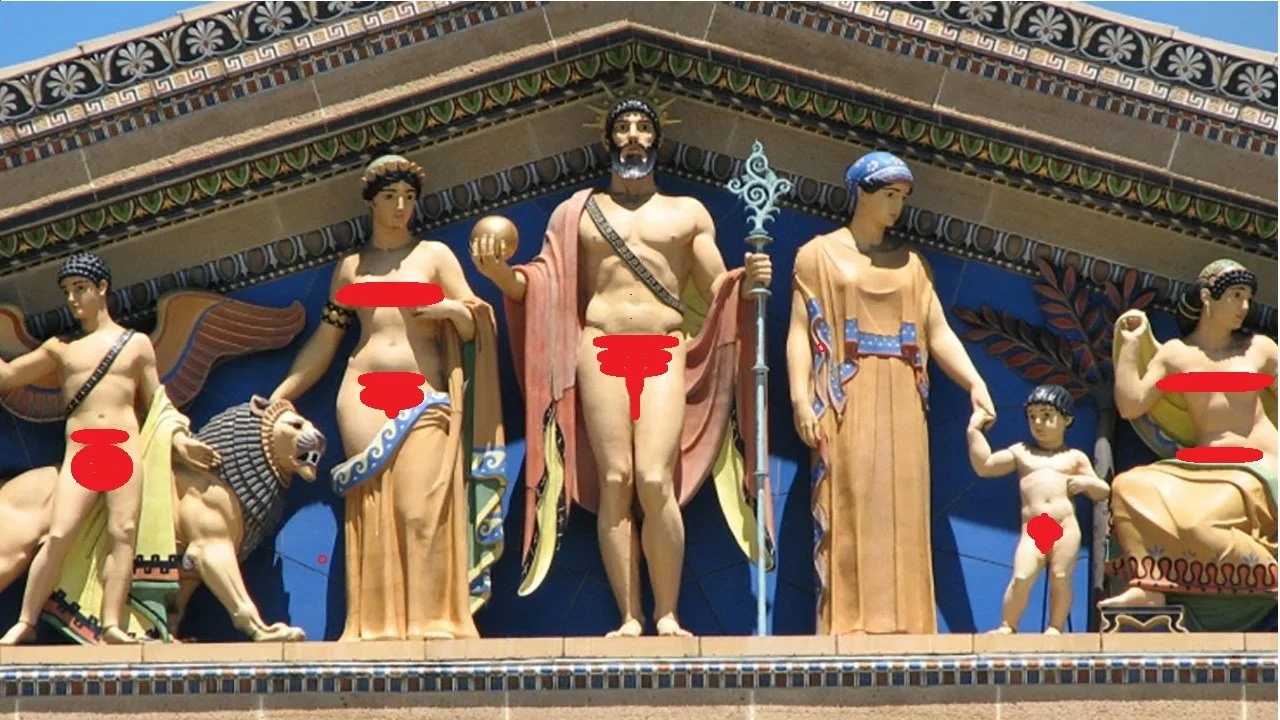
Contrary to popular belief, the sculptures and buildings of ancient Greece were often painted with bright colours. The pigment remains found on buildings and statues in the Acropolis of Athens, as well as microscopic research, have proved that capitals, columns, and friezes were richly painted with complementary colours that allowed for the appreciation of the details of the statues, even from a distance.

The sculptures were often completely or partially painted, with colours delimiting the elements of the statues, such as hair, clothes, lips, or nipples. The colours were used as a way to enhance the artistry of the classical forms and achieve a lifelike polychrome statuary. Unfortunately, most surviving classical sculptures are marble copies of original Greek statues, as the Greeks tended to work with materials that do not survive time, such as wood or bronze.

Marble was used to create statues that would match the building housing them, but the perception of white marble as the standard for classical Greek art began during the Renaissance, as Europeans rediscovered Greek and Roman art. The idealised white form became synonymous with classical purity and was admired and emulated in neoclassical art and architecture in the 18th and 19th centuries. However, in recent years, research projects and reconstructions have aimed to show the public just how colourful these pieces would have looked in their prime.

When Did We Stop Being Naked?

December 6, 2023

The oldest clothing ever recovered has been dated to nearly 5,500 years old, found within a pile of dirty linen at the cemetery of Tarkin in Egypt in 1913. The Tarkin dress was discovered by museum conservators in 1977, and is considered to be some of the best evidence for clothing in the past, although ancient clothing is generally too fragile to survive in the archaeological record. In 1964 and 2008, fragmented pieces of woven textiles were discovered at the 9,000-year-old site of Chatal Huk in Turkey, and were later determined to be made from plant fibers, providing evidence for clothing approximately 8,500 years ago.

However, the oldest evidence for clothing is believed to be a fragmented needle with a point so thin that archaeologists interpret it as being used to delicately pierce through animal hide, found in the Sabodo cave in South Africa, and dated to approximately 61,000 years old. Despite the difficulties in finding evidence for clothing, archaeologists have discovered a series of processes involved in creating clothing, including turning fibers into fabric and cutting and sewing that fabric together, and have also found tools that suggest their use in clothing production.

30,000 BC, Pre-Columbian America - Summary on a Map

December 6, 2023

Around 30,000 BC, during the last Ice Age and with sea levels 120 meters lower than current levels, the first signs of human occupation appear on the American continent. The origins of these early settlements remain a mystery, but theories suggest that people may have followed the 5,000 km icefield that crossed the Atlantic Ocean or sailed along the “Kelp Highway” that ran along the Pacific rim from north Asia to America.

As the Ice Age draws to a close, Beringia forms a land corridor that connects America with Asia, and animals and humans gradually pour in. The climate continues to warm up, facilitating the domestication of plants endemic to the continent, and ceramics appear. Populations begin to settle, and the first cultures emerge, such as the Chinchorros, the Valdivia, and the Mound Builders.

The Caral civilization is the first to emerge in the South, followed by the Olmecs in the center of the continent and the Chavin civilization in the Andes. The Zapotecs become the new dominant civilization, with Monte Alban as the capital, and the neighboring city of Teotihuacan sees dazzling prosperity and development. The article ends by noting that there is still much that remains unknown about the early settlements and civilizations of the American continent.

11,000-Year-Old Modified Human Skulls at Göbekli Tepe

December 6, 2023

The ancient site of Göbekli Tepe in Southeastern Anatolia, Turkey, is known for its impressive stone structures and carvings. However, the remains of the people who lived there have also been discovered, revealing unique characteristics of a long-forgotten culture. Dozens of fragments of human skulls have been recovered, with intentional deep incisions along their sagittal axes, indicating that the people of Göbekli Tepe modified the skulls after a person's death. The modifications were done shortly after the people died, and the sharp edges of the cuts show that they were done when the bone was still elastic, meaning it was a very early stage of decay.

The modifications were done with lithic tools and the depth of carvings and multiple cutting actions differentiate the markings from those associated with defleshing and cleaning. The drill hole is funnel-shaped, showing it was done from the outside in, and it is thought the work was done shortly after the people died. The findings provide evidence of the practices, customs, and belief systems of the pre-pottery Neolithic people of Göbekli Tepe.

Oldest And Biggest Trees on Earth are Bigger Than Your Imagination

December 5, 2023

Trees, essential for various reasons, often go unnoticed despite some being revered for their towering heights. They exhibit diverse growth patterns, with some reaching astonishing heights of over 400 feet. Below are details about the 20 largest trees on Earth.

1. Centurion:

Centurion, situated in southern Tasmania, Australia, claims the title of the world's second-tallest tree species. Standing at 327 feet (99.6 meters) with a trunk diameter of 13.3 feet (4.05 meters), Centurion survived wildfires in 1934 and narrowly escaped logging in 1950.

2. The Monkey Pod Tree:

The Samanea saman, or monkeypod tree, native to tropical America, is renowned for its massive shade. With a crown diameter of around 200 feet, this tree's wood is often used for carvings, bowls, or platters. Its pods, with a sticky brown pulp, serve as cattle feed in Central America.

3. The Doerner Fir:

Named after a specific Douglas fir in Coos County, this tree is the tallest non-redwood globally, measuring 327 feet (99.7 meters) and being approximately 500 years old. Although not the tallest, it stands out for its age and size.

4. Kauri Tree:

New Zealand's Kauri tree, exemplified by Tane Mahuta, the "Lord of the Forest," stands at 51 meters with a circumference of 13.8 meters. Aged around 2,500 years, these ancient trees faced depletion during the European settlers' arrival.

5. Giant Sequoia Tree:

Also known as the Sierra Redwood, these colossal trees, native to the U.S. west coast, can grow up to 85 meters in height and 8 meters in diameter. The General Sherman tree, over 2,000 years old, is a renowned example in California’s Sequoia National Park.

6. Baobab Tree:

Found in African savannahs, the baobab tree, nicknamed the bottle tree or Tree of Life, has a wide, fire-resistant trunk, sometimes hollow, providing habitat for animals and even humans. Sunland baobab trees, up to 2,000 years old, are believed to possess mythical protective powers.

7. White Knight:

Standing just under 90 meters, White Knight is an exceptional white peppermint tree located in northeastern Tasmanian forests. One of the few remaining ultra-sized white peppermints, it, along with other massive trees, forms a grove in Mathinna near Avoca.

The significance of tall trees lies in their diverse ecological roles. Feel free to share information about tall trees in your area that you'd like to include.

The Most Dangerous & Feared Knights of the Middle Ages

December 5, 2023

This text discusses two medieval knights who left their mark in history: William Marshall, the first Earl of Pembrook, and Vladis III, who became king of Poland at age 10 and was later offered the crown of Hungary.

William Marshall was born into a noble family and became a skilled knight, winning more than 500 belts in tournaments and serving as a peacekeeper and stand-in king for five monarchs. Vladis III faced a conspiracy to depose him as king of Poland, and later had to navigate the precarious position of being offered the crown of Hungary, which was under threat from the Ottoman Empire.

Both knights faced challenges and made tough decisions in their roles as protectors and rulers. The text also includes a mention of Aura, an all-in-one service that helps keep users safe online, and a call to action to try out the service for two weeks using a provided link.

Naupa Huaca: The Mysterious Cave in Peru

December 5, 2023

The Naupa Huaca cave in Peru has a mysterious alter or false door made of andesite rock, with modern Inca work off to the side. Though it is not clear how the creators of the structure cut such precise ninety-degree angles into the rock, it is possible that softer stones like flint or fulgurite were used instead of machines.

While closer examination with a microscope shows some chiseling was used to cut out the structure, obsidian was also melted onto the andesite rock, though it is unclear how the ancient people managed to do this. Historically, false doors were used as alters for mourning the dead, with the ancient Incas placing their dead in an upright position and having them sit in the alter for ritual purposes. Some suggest that these structures were actually portals to bring the deceased into the afterlife, but the exact purpose remains unclear.

Göbekli Tepe EXPLAINED: 4 Common Misconceptions

December 5, 2023

In this video, the Ancient Architects debunk four common misconceptions about the ancient site of Gobekli Tepe, a settlement in Southeastern Anatolia.

The first misconception is that Gobekli Tepe was not a settlement, but there is evidence that suggests it was a permanent settlement or at least a seasonal camp. The circular enclosures were always the nucleus of the site, and they were long-lived, likely over several centuries, and used during the pre-pottery Neolithic A and B periods. The second misconception is that Gobekli Tepe was a temple, but there is no evidence to suggest that it was a temple.

The third misconception is that all the T-shaped pillars at the site are decorated with reliefs, but only a small percentage of the pillars have relief carvings. The fourth misconception is that the site was abandoned due to climate change, but there is no evidence to suggest that climate change was the reason for the site's abandonment. Instead, it is likely that social and cultural changes led to the site's abandonment.

← Newer Posts Older Posts →
Featured
image_2026-05-15_160951429.png
May 15, 2026
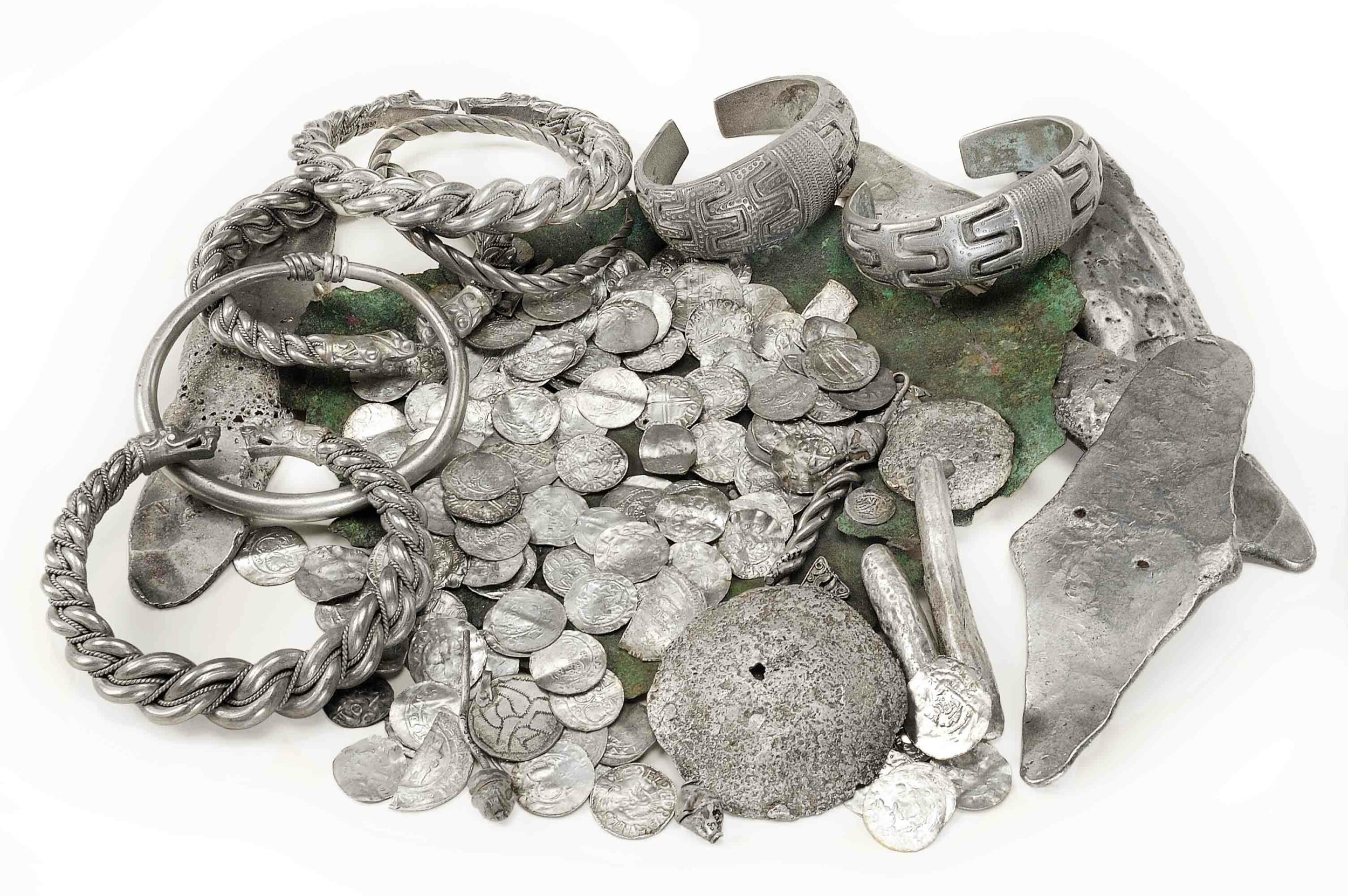
The Viking Hoards of Gotland: The Wealth of the Baltic Sea
May 15, 2026
Read More →
May 15, 2026
image_2026-05-15_160824048.png
May 15, 2026
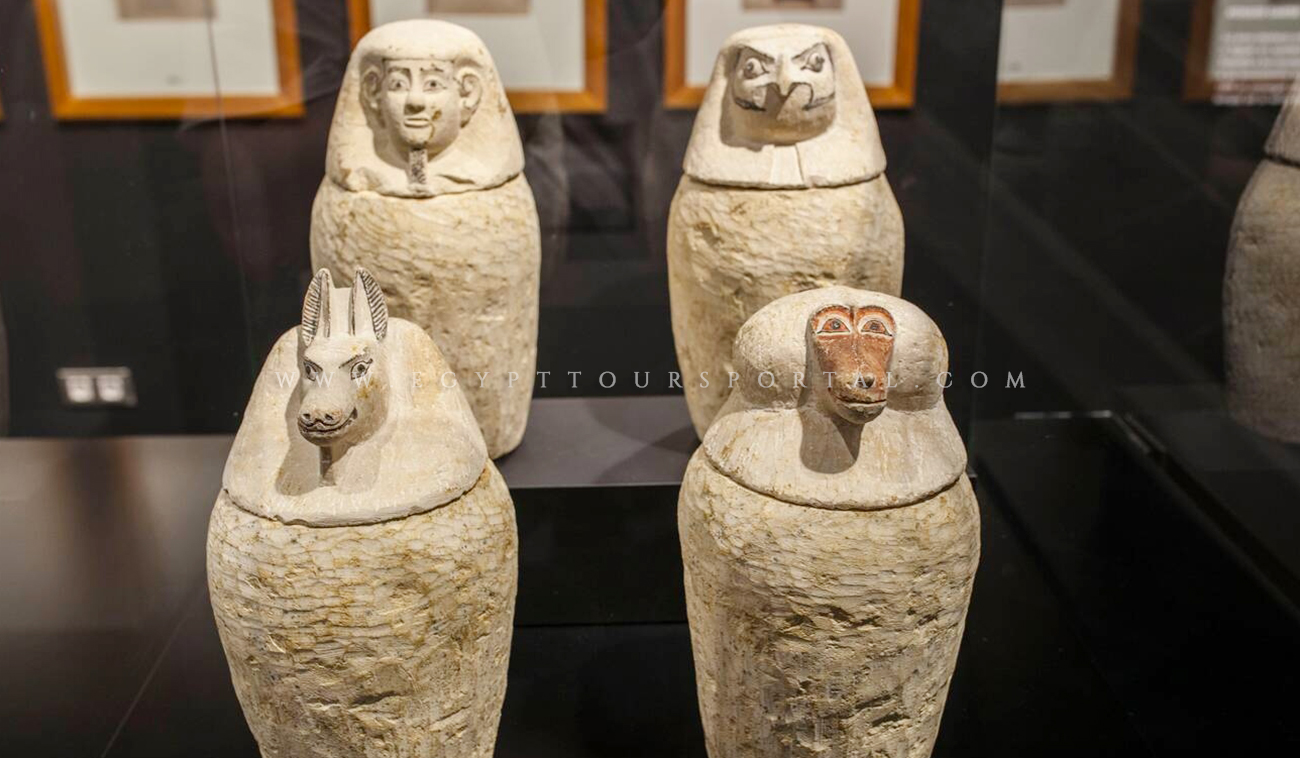
Ancient Egyptian Canopic Jars: The Science of Organ Preservation
May 15, 2026
Read More →
May 15, 2026
image_2026-05-15_160729796.png
May 15, 2026
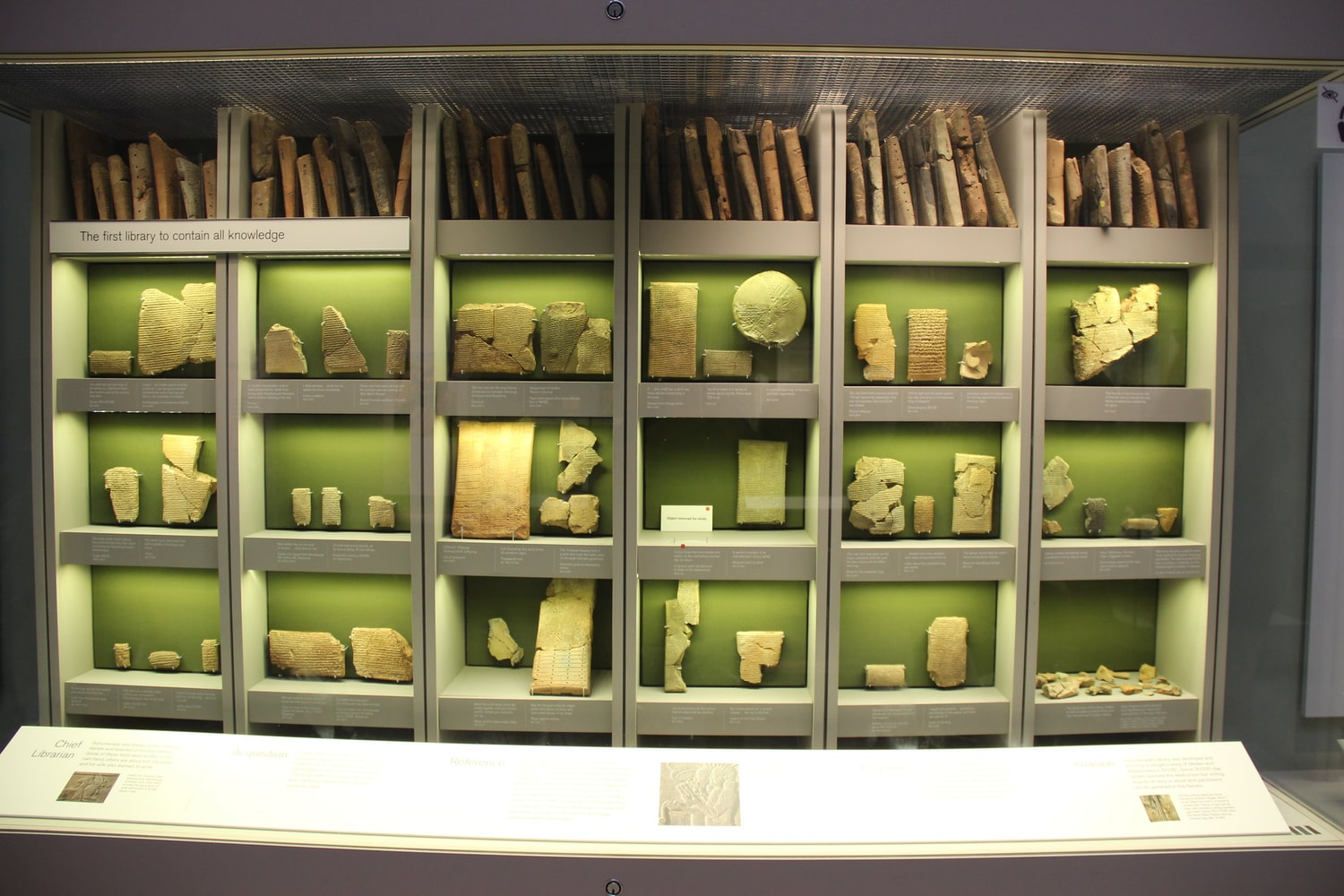
The Library of Ashurbanipal: The First Systematically Organized Collection
May 15, 2026
Read More →
May 15, 2026
image_2026-05-15_160702824.png
May 15, 2026
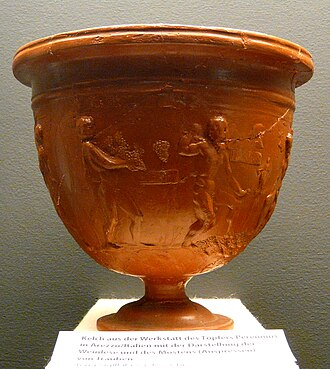
Roman Pottery: The Mass Production of Terra Sigillata
May 15, 2026
Read More →
May 15, 2026
image_2026-05-15_161100251.png
May 15, 2026
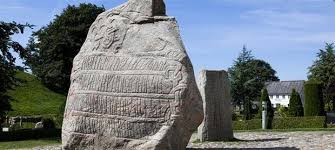
The Viking King Gorm the Old: The Jelling Stones and Danish Identity
May 15, 2026
Read More →
May 15, 2026
image_2026-05-15_160305875.png
May 15, 2026
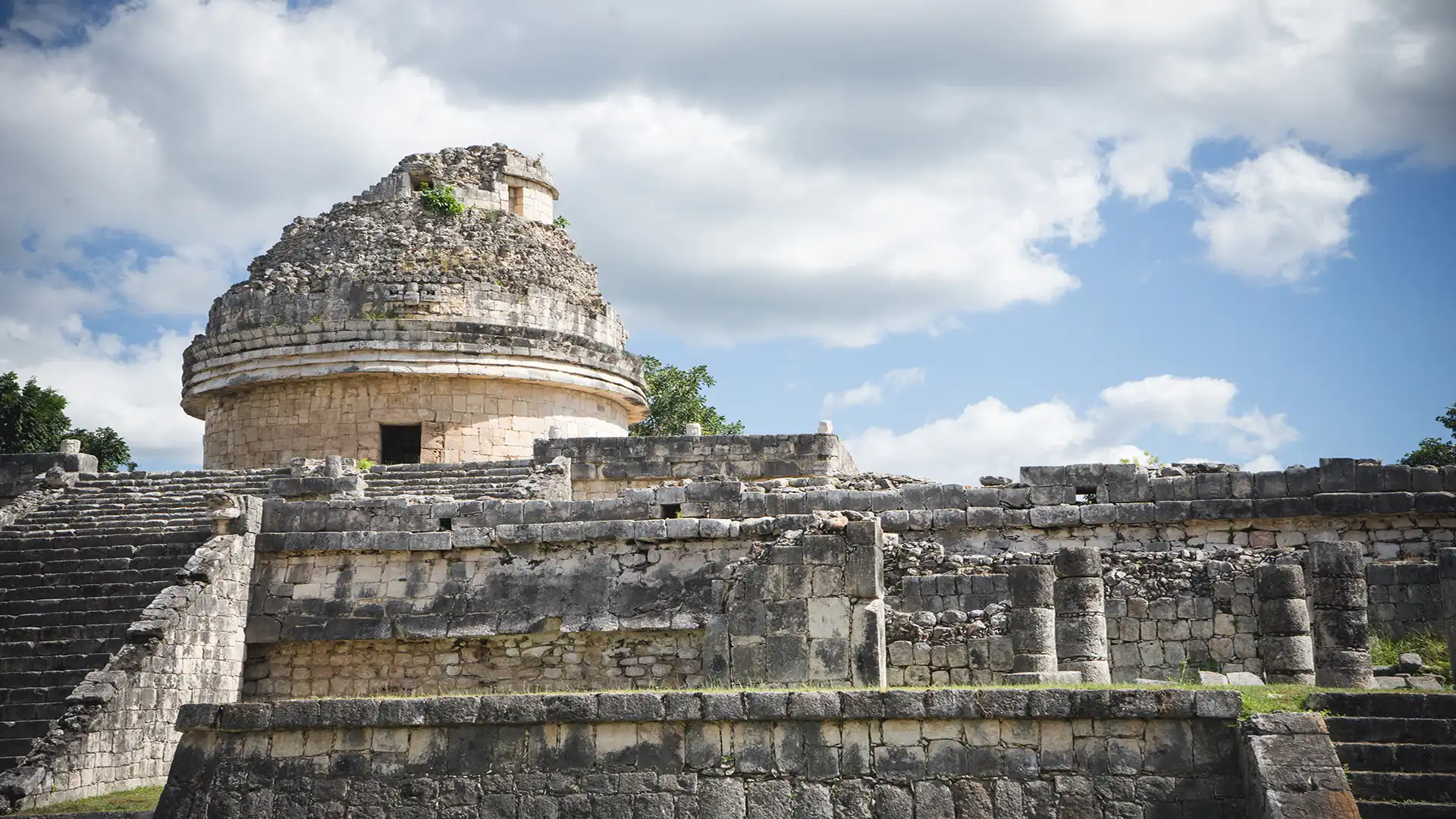
Ancient Maya Astronomy: The Alignment of the Caracol at Chichen Itza
May 15, 2026
Read More →
May 15, 2026
read more

Powered by The archaeologist