• MAIN PAGE
  • LATEST NEWS
    • Lost Cities
    • Archaeology's Greatest Finds
    • Underwater Discoveries
    • Greatest Inventions
    • Studies
    • Blog
  • PHILOSOPHY
  • HISTORY
  • RELIGIONS
    • Africa
    • Anatolia
    • Arabian Peninsula
    • Balkan Region
    • China - East Asia
    • Europe
    • Eurasian Steppe
    • Levant
    • Mesopotamia
    • Oceania - SE Asia
    • Pre-Columbian Civilizations of America
    • Iranian Plateau - Central Asia
    • Indus Valley - South Asia
    • Japan
    • The Archaeologist Editor Group
    • Scientific Studies
    • Aegean Prehistory
    • Historical Period
    • Byzantine Middle Ages
    • Predynastic Period
    • Dynastic Period
    • Greco-Roman Egypt
  • Rome
  • PALEONTOLOGY
  • About us
Menu

The Archaeologist

  • MAIN PAGE
  • LATEST NEWS
  • DISCOVERIES
    • Lost Cities
    • Archaeology's Greatest Finds
    • Underwater Discoveries
    • Greatest Inventions
    • Studies
    • Blog
  • PHILOSOPHY
  • HISTORY
  • RELIGIONS
  • World Civilizations
    • Africa
    • Anatolia
    • Arabian Peninsula
    • Balkan Region
    • China - East Asia
    • Europe
    • Eurasian Steppe
    • Levant
    • Mesopotamia
    • Oceania - SE Asia
    • Pre-Columbian Civilizations of America
    • Iranian Plateau - Central Asia
    • Indus Valley - South Asia
    • Japan
    • The Archaeologist Editor Group
    • Scientific Studies
  • GREECE
    • Aegean Prehistory
    • Historical Period
    • Byzantine Middle Ages
  • Egypt
    • Predynastic Period
    • Dynastic Period
    • Greco-Roman Egypt
  • Rome
  • PALEONTOLOGY
  • About us
No results found

Were Neanderthals Cannibals?: A Critical Analysis of Ludovic Slimak's Book

December 13, 2023

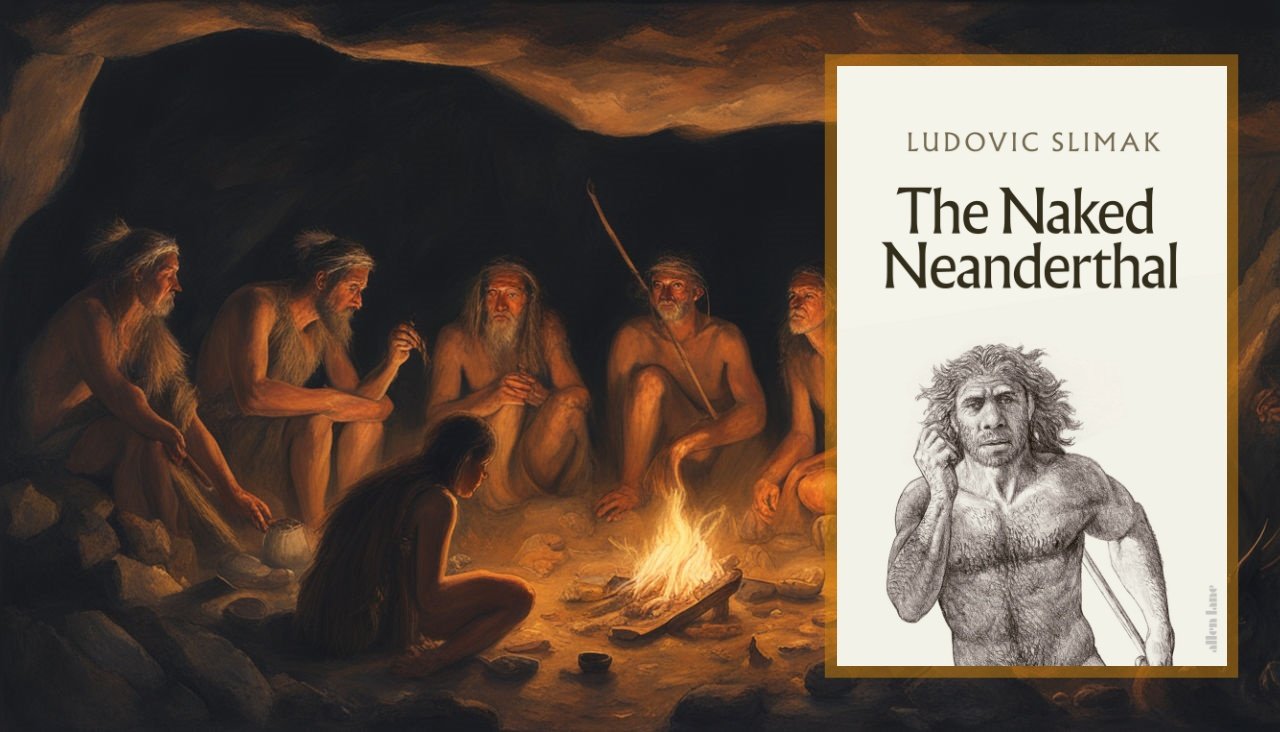
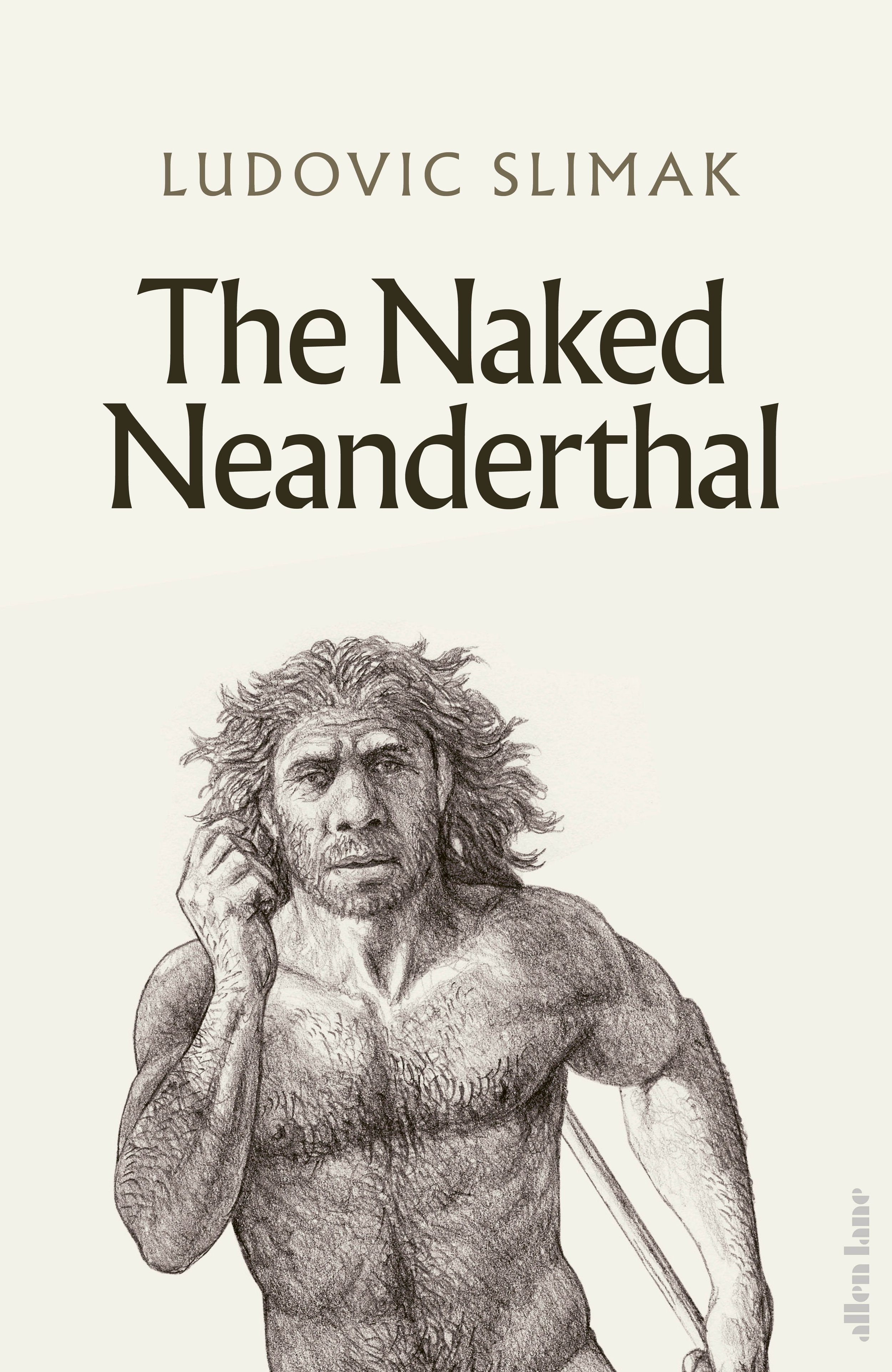
In the realm of paleoanthropology and archaeology, the question of Neanderthals' true nature has long been a subject of fascination and debate. Ludovic Slimak's recent book, "The Naked Neanderthal," offers a fresh perspective that challenges conventional wisdom. This article delves into the key arguments and insights presented in Slimak's work, shedding light on the enigmatic world of our ancient cousins, the Neanderthals.

Neanderthals: A Journey into the Past

Ludovic Slimak's book takes readers on a journey through time, back to a period when Neanderthals roamed western Eurasia. These hominins, who emerged between 400,000 and 350,000 years ago, have often been portrayed as the close intellectual and creative relatives of Homo sapiens. However, Slimak challenges this notion, arguing that Neanderthals are far more peculiar and mysterious than previously believed.

The Eemian Interglacial: A Critical Phase

One of the book's focal points is the Eemian interglacial, a warm phase that lasted over 10,000 years and began approximately 123,000 years ago. During this time, much of the Neanderthals' territory was covered in lush forests. Slimak directs our attention to this period, emphasizing its significance in understanding Neanderthal culture and behavior.

Symbolic Hunting: Unveiling Rituals

Slimak shares insights from his own excavations in southern France, notably at Le Grand Abri aux Puces. Here, he observes evidence that Neanderthals may have practiced symbolic hunting, specifically targeting male animals. This intriguing behavior raises questions about the existence of ritualistic practices among Neanderthals, challenging preconceived notions about their cognitive abilities.

Cannibalism: A Social Norm?

According to discoveries at Moula Guercy, the book also discusses the contentious subject of cannibalism among Neanderthals. Rather than interpreting these behaviors as signs of desperation during the warm Eemian period, Slimak proposes that they were part of normal hominin social interactions, drawing parallels with evidence from archaeology and primatology.
The Châtelperronian Enigma

Slimak delves into the enigmatic ChĆ¢telperronian culture, which dates back to approximately 43,000–39,000 years ago in France and northern Spain. This culture is defined by distinctive stone tools and objects that share similarities with both Neanderthals and Homo sapiens. The debate surrounding whether Neanderthals independently developed these artifacts or were influenced by Homo sapiens has been thoroughly examined.

Challenging Assumptions: The Need for Caution

A recurring theme in Slimak's book is the need for caution in interpreting archaeological evidence. He emphasizes the importance of rigorous excavation standards and maintaining the integrity of excavated layers. This call for methodological rigor serves as a reminder to archaeologists to remain vigilant in their pursuit of knowledge.

The Neanderthal Extinction Debate

Slimak's work also touches upon the contentious issue of Neanderthal extinction. While genomic analysis suggests multiple phases of interbreeding with Homo sapiens, Slimak presents evidence from the Grotte Mandrin site in France, suggesting that humans may have rapidly replaced Neanderthals over a short timeframe. This leads him to propose extermination, rather than assimilation, as the likely cause of Neanderthal extinction.

Artistic Sensibilities: A Matter of Debate

The author critically evaluates the notion of Neanderthal artistic sensibilities. He challenges the tendency to depict Neanderthals in museum reconstructions with painted skin or shell necklaces, arguing that these artifacts might have practical purposes. While Slimak acknowledges the potential aesthetic value of engraved bones and colored fossil shells, he remains skeptical of their significance.

The Call for a Holistic Approach

Throughout the book, Slimak advocates for a holistic approach to archaeology. He emphasizes the importance of extensive fieldwork and direct engagement with archaeological sites, cautioning against drawing conclusions solely from museum collections. While his perspective may be controversial, it underscores the necessity of firsthand experience in the study of Neanderthals.

Conclusion

"The Naked Neanderthal" by Ludovic Slimak challenges established perceptions of Neanderthals and their culture. While his views may not align with mainstream archaeology in every aspect, his book serves as a thought-provoking contribution to the ongoing discourse. It reminds us of the complexity and uncertainty that still shroud the enigmatic world of our ancient cousins. In the pursuit of knowledge, Slimak's call for rigorous methodology and an open-minded approach should be a guiding light for all archaeologists.


References

- Slimak, L. "The Naked Neanderthal." Allen Lane, 2023.

In Paleontology

What "Ancient" Chinese Sounded Like - and how we know

December 13, 2023

Chinese scholars have been reconstructing old pronunciations for centuries, long before Europeans were reconstructing proto-languages. Chen Li, a scholar from the 1840s, was tasked with recovering the sounds immortalized in classical texts without any recordings or phonetic transcriptions.

Using Han characters, each of which stands for a one-syllable word or word piece, he created a method called fanqie to break down the sound of each character. This method stopped short of giving an overview of Chinese phonology, but it was taken a step further by organizing the information into tables.

The 12th century Rhyme Mirror is full of rhyme tables that give more information about syllables, but their interpretation is debated. Later research will go on to show that even the earlier stage itself is complicated and is a compromise between ancient literary dialects.

In the early 1900s, a Swedish scholar named Karlgren traveled to China and dug into the old rimes and tables, but then added an important piece: the many living varieties of Chinese. He used his results to fill out the rime categories with real sounds. This was a breakthrough as it moved beyond the guesswork of simply categorizing sounds and gave precise sounds that fit into these categories. This work helped to uncover China's ancient imperial language.

1 HOUR OF STOIC QUOTES - LIFE CHANGING QUOTES YOU NEED TO HEAR!

December 13, 2023

The video consists of a collection of quotes and teachings from the philosopher and emperor of Rome, Marcus Aurelius. The quotes focus on themes such as self-control, acceptance of fate, the power of the mind, and the importance of living in the present moment. Aurelius emphasizes the need to focus on one's own thoughts and actions rather than external events or the opinions of others.

He also stresses the importance of cultivating virtues such as honesty, humility, and kindness. Finally, Aurelius encourages readers to let go of material desires and to find happiness in a simple life with few wants. Overall, the text serves as a guide to living a fulfilling and virtuous life.

5 Most Mysterious Artifacts Discovered in Ancient Shipwrecks

December 13, 2023

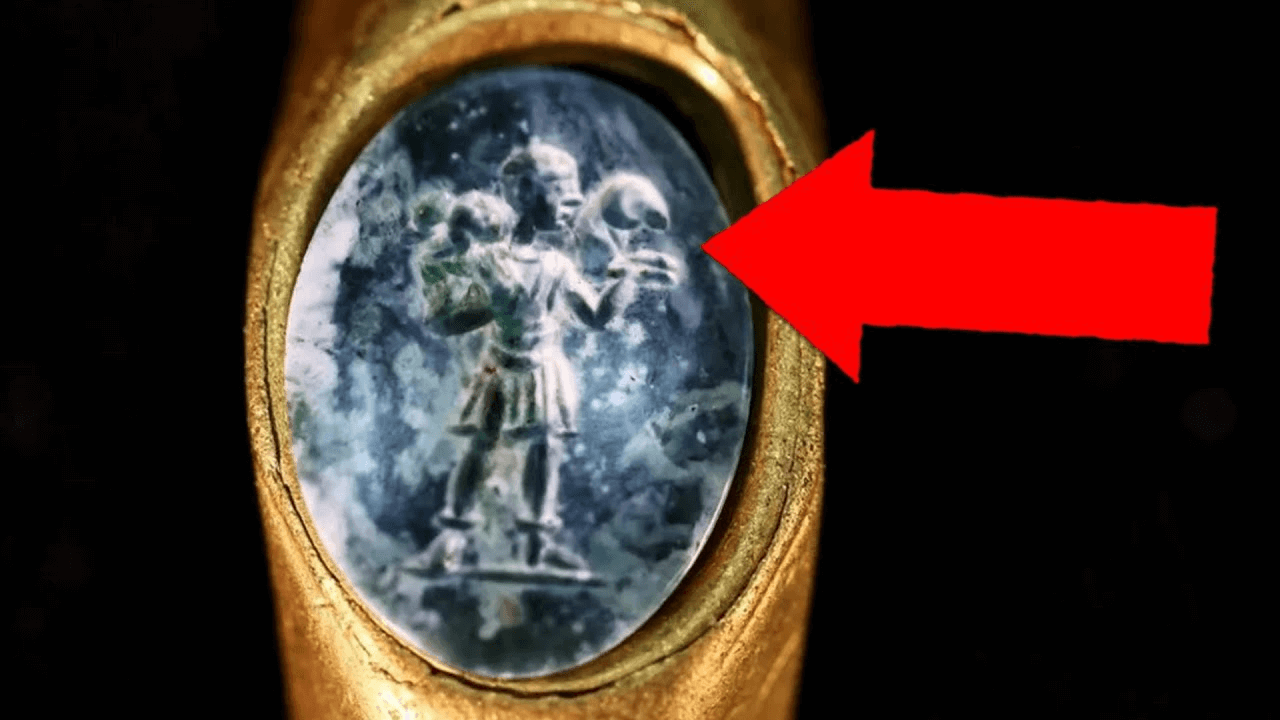
Archaeologists have made several significant underwater discoveries, including a gold ring featuring an image of a young boy with a sheep or ram on his shoulders, which may be one of the earliest depictions of Jesus Christ. The ring was found amongst a trove of ancient Roman coins and other treasures on the seabed off Israel's Mediterranean coast.

The Israel Antiquities Authority led the underwater expedition to explore the wrecks of two ancient ships near the former Port of Cesaria, which had broken open, spilling their contents across the seabed. The treasures uncovered included hundreds of silver and bronze coins, figurines, jewels, bronze bells, and a red gemstone adorned with the image of a liar. The most priceless discovery, the Good Shepherd ring, may have belonged to one of the earliest Christian followers, but doubts have been raised due to the imagery of shepherds not being exclusive to Christianity.

In another discovery, archaeologists excavating an ancient shipwreck off the coast of Tuscany during the 1980s found small tin containers that held well-preserved pills dating back over 2,000 years, providing a glimpse into ancient pharmacology. The pills were composed of natural ingredients such as resins, waxes, animal fats, and starches, along with various inorganic compounds and zinc, which was known to treat skin and eye conditions. The site also yielded other items with medical applications, including 136 wooden vials designed to hold medicine, a mortar, an iron probe, a bloodletting device, and a surgical hook.

In contrast, the discovery of Chinese Thunder crash bombs, also known as Heaven shaking Thunder bombs, represented a significant advancement in early military technology during the Mongol invasions of Japan in the 13th century, leading to the rapid adoption and widespread use of these weapons. This marked a monumental milestone in the history of gunpowder warfare.

The Trans-Saharan Slave Trade Was WAY Worse Than You Thought

December 13, 2023

The trans-Saharan slave trade, which lasted for over a thousand years, was a brutal institution that is often overshadowed by its more famous Atlantic cousin. The trade involved the enslavement of people from subsaharan Africa who were transported across the Sahara desert to be sold in the Muslim world and beyond, including North Africa, the Levant, Iran, Arabia, Anatolia, and even as far as India.

The trade fluctuated over time, with an average of about 10,000 slaves transported across the trans-Saharan routes during the medieval period. The trade was facilitated by the conversion of subsaharan African kingdoms to Islam, which intensified the trade and encouraged the creation of safe routes across the Sahara that doubled as avenues for the slave trade.

The slaves were overwhelmingly African pagans, as Islamic law forbade a Muslim from enslaving another Muslim. The trade had six main routes, each of which was bound to the power of various kingdoms, and the trans-Saharan slave trade is believed to have been a longer-lasting and possibly larger system than the Atlantic slave trade.

The Last Confirmed Sightings of Four Extinct Animals

December 13, 2023

The video discusses four famous extinct animals and their last recorded sightings. The first animal is the Barbary lion, also known as the North African or Egyptian lion, which was believed to have emerged 100,000 years ago and inhabited the mountains and deserts of the Maghreb. The population of this lion was decimated by hunting and bounties, and the last recorded photo of a wild Barbary lion was taken in 1925. The last known Moroccan Barbary lion was killed in 1942 by a French Colonial Hunter, and the last sighting of the animal by humans took place in 1956. Some 80 to 100 Barbary lions still live in captivity around the world.

The second animal discussed is the dodo, a flightless bird endemic to the island of Mauritius. The dodo's population rapidly declined due to invasive species introduced by humans and the destruction of its habitat. The last time the dodo was seen for sure was in 1662, less than 100 years after Europeans reached the island.

The video also briefly discusses the Tasmanian tiger and the ivory-billed woodpecker, both of which are believed to be extinct but have had some reported sightings in recent years. The video emphasizes the importance of appreciating and protecting endangered species before it's too late.

3 Apex Predators That Don't Hunt Humans?

December 13, 2023

Humans are successful predators, but also destructive. We kill and eat many animals, but lack sharp claws, teeth, or strong jaws. Our intelligence and ability to use tools, make weapons, and build shelters have helped us succeed.

However, without these things, we can be vulnerable. Some large predators target humans as prey, but there are also many apex predators that do not hunt humans. Orcas, also known as killer whales, are possibly the most impressive predators on the planet. They belong to the oceanic dolphin family and have adapted to all climates and environments.

Their intelligence, large brains, and impressive social structures allow them to work together effectively and feed on almost all aquatic animals. Orcas are split into different eco-types with different diets, behaviors, and vocalizations, some of which specialize in hunting large mammals or even great white sharks.

Orcas have been known to come into contact with humans, but there has been no recorded instance of an orca hunting a human in the wild. However, there have been documented close calls and attacks in captivity, likely due to poor treatment of the orcas.

Colossal sea monster unearthed in UK

December 13, 2023

A fossil of the skull of a pliosaur has been found on the Jurassic Coast in Dorset, UK. The creature, which lived around 75 million years ago, was one of the largest predators to have ever lived, measuring over 12 metres in length and boasting 130 teeth.

The fossil was discovered by an amateur enthusiast on the beach near Kimmeridge Bay. The excavation was led by Steve Etches, who described the fossil as one of the best he had ever worked on. The pliosaur’s skull was found to be complete, with every bone present.

The rest of the creature has not yet been found, although the team believes the rest of the skeleton is still embedded in the cliffs. The pliosaur’s bite has been analysed with the assistance of a surface scan, with researchers concluding that the creature’s bite had a force similar to that of a Tyrannosaurus Rex. The fossil is to be put on display in Dorset next year.

Photo from Qhapaq Ƒan Project

500-Year-Old Stone Quarries of the Inca Empire Discovered on Peru's Coast

December 12, 2023

In the rugged mountains of CaƱete Province, Peru, a remarkable archaeological discovery has recently come to light, shedding new light on the final years of the Inca Empire. Abandoned for centuries, these two stone quarries have reemerged as a testament to the empire's legacy, revealing insights into their construction techniques and the extensive infrastructure that sustained their civilization.

Dating back 500 years, these quarries once played a pivotal role in the production of square stone blocks known as ashlars. These finely crafted stones were integral to the Inca Empire's grand construction projects, a testament to their architectural prowess. This discovery reaffirms the empire's advanced engineering and masonry skills, which continue to captivate historians and archaeologists alike.

Photo from Qhapaq Ƒan Project

One of the most fascinating aspects of this find is the intricate network of roads and trails that once connected these quarries to various corners of the Inca Empire. These roads facilitated the transportation of the massive stone blocks, enabling the empire to construct awe-inspiring structures and fortifications. The Qhapaq Ƒan Project, dedicated to preserving and understanding Inca roads, has shared captivating photographs of the quarries and the remnants of this ancient transportation network.

What sets these quarries apart is their location along the Peruvian coast. While the Inca Empire, known as Tahuantinsuyu, primarily occupied the highlands and the Andes mountains, this discovery suggests their reach extended to the coastal regions as well. It's a significant revelation, as it underscores the empire's ambition and ability to source construction materials from diverse landscapes.

Photo from Qhapaq Ƒan Project

The Inca Empire, at its zenith, was a formidable entity that stretched across modern-day Argentina, Bolivia, Chile, Ecuador, and Peru. Emerging in the 1400s, it thrived until 1533, when Spanish colonists captured its capital city, Cusco. The empire's engineering marvels, including the extensive network of roads known as Qhapaq Ƒan, were essential to maintaining control over its vast territory. This monumental road system, spanning over 18,000 miles, served as the lifeblood of the empire, connecting its various regions and cultures. In recognition of its historical significance, Qhapaq Ƒan became a UNESCO World Heritage Site in 2014.

These newly discovered quarries in CaƱete Province likely supplied the construction materials for several nearby Inca sites along the Peruvian coast. The stones quarried here may have been transported nearly 200 miles to support the empire's ambitious building projects. One such site, El Huarco, stands as a testament to the enduring legacy of the Inca civilization, constructed from stones hewn from the CaƱete mountains.

Photo from Qhapaq Ƒan Project

As archaeologists embark on further studies of these quarries in the coming year, we can anticipate even more revelations about the Inca Empire's intricate web of infrastructure and their unparalleled craftsmanship. These remnants of the past are not merely stones; they are a glimpse into the rich tapestry of history, offering us a deeper understanding of the remarkable achievements of the Inca civilization.

In conclusion, the discovery of these 500-year-old stone quarries along the coast of Peru adds another layer of complexity to our understanding of the Inca Empire. It highlights their far-reaching influence, advanced construction techniques, and the enduring impact of their legacy. As we continue to unearth the secrets of this ancient civilization, we are reminded of the profound connection between history, archaeology, and the timeless pursuit of knowledge.

The find was made in a field near Erpingham, Norfolk, in September

ANDREW WILLIAMS/NORFOLK COUNTY COUNCIL

Remarkable Discovery: Bronze Age Gold Torc Fragment Unearthed in Erpingham

December 12, 2023

A diligent metal detectorist recently discovered a tiny but exquisitely crafted fragment of a Bronze Age gold torc, which is a stunning archaeological find. This "beautifully made" relic, believed to be thousands of years old, sheds new light on the craftsmanship and culture of our ancient ancestors.

Discovered in a field near the picturesque village of Erpingham, Norfolk, this remarkable artifact has captured the imaginations of historians and archaeologists alike. Dating back to the period between 1400 and 1100 BC, the fragment consists of a slender, twisted gold rod measuring a mere 0.09 inches (2.4mm) in thickness, carefully bent into a perfect 0.43-inch (11mm) loop.

What makes this discovery even more intriguing is the unusual form of the torc. Unlike the more common four-flanged examples, this fragment takes the shape of a triangular bar-twisted torc, a feature that sets it apart from similar finds.

Historian Helen Geake, who has been closely involved in the examination of this treasure, shared her insights, suggesting that this unique torc may have held various purposes. Dr. Geake mused, "It could have been intended for reuse or as 'a neat little offering to the gods.'"

A slender twisted bar, it was bent into a spiral in the Middle Bronze Age and is dated to between 1400-1100BC

ANDREW WILLIAMS/NORFOLK COUNTY COUNCIL

The torc, characterized by its two full turns in a spiral, has garnered admiration for the exceptional craftsmanship displayed by Bronze Age goldsmiths. Dr. Geake emphasized, "It's just so cleverly done and emphasizes how good Bronze Age craftsmen were with gold. It's quite tiny, and you have to get your eye in to look at the end and see it's not any old twisted piece of metalwork; it's really beautifully made."

While similar pieces, bent into small loops, have been unearthed over the years, the precise purpose of these artifacts remains a mystery. Dr. Geake suggested that they might have been carefully stashed away for future use, possibly to be melted down and transformed into something new, or perhaps they were humble offerings to the deities of the time.

This fascinating discovery has received official recognition, as it was declared treasure by Norfolk Coroner's Court. The Norwich Castle Museum is now poised to acquire this precious piece of history, ensuring that it remains preserved for future generations to admire and study.

The unearthing of this Bronze Age gold torc fragment near Erpingham serves as a poignant reminder of the ancient artisans' skills and the enduring mysteries that continue to captivate archaeologists and history enthusiasts alike. It is a testament to the rich cultural heritage and the unceasing quest to unlock the secrets of our past.

Ancient Rome explained in 20 minutes

December 12, 2023

This video provides a historical overview of the Roman Empire and its impact on the world. The Romans were fortunate to be situated at the crossroads of trade routes between the Etruscans to the north and Greek colonies to the south.

Rome was an open city that offered migrants a unique opportunity to become citizens. The city was initially ruled by kings, but after a sex scandal in 509 BC, the Romans decided to prevent any concentration of power and established a republic instead. The republic was controlled by two consuls who were elected for a year, and a senate consisting of 300 patricians.

The plebeians, who were not born into patrician families, fought for their rights and achieved complete equality with the patricians by 287 BC. The Roman army spent the next hundred years in constant wars, and they were able to stand their ground in battle due to their alliances with conquered territories, which provided a never-ending stream of recruits.

The Punic Wars were fought over the next hundred years, and in 149 BC, Rome had taken the greater part of Punic territory. Rome's legacy includes the Latin alphabet, the Pax Romana, and their military and government organization, which have influenced many aspects of modern society.

The Truth of Horse Evolution

December 12, 2023

In this captivating video, viewers are taken on an informative journey tracing the evolution of the horse. Through meticulous research and compelling visuals, the video unravels the intricate tale of how these majestic creatures have transformed over millions of years.

From their humble beginnings as small, multi-toed mammals to the magnificent, single-hoofed beings we know today, each stage of the horse's evolution is depicted with clarity and detail.

The narrative weaves through geological epochs, highlighting key adaptations and survival strategies that have shaped the horse into the resilient and graceful creature we recognize in modern times.

This educational exploration not only provides a fascinating insight into the evolutionary history of the horse but also deepens our appreciation for the intricate processes that have sculpted the natural world.

Aztec Human Sacrifices

December 12, 2023

Human sacrifice was a common practice in many cultures throughout history, but none took it to the extent that the Aztecs did. The Mexica people, who ruled over what is now known as the Aztec Empire in central Mexico, believed in a creation myth where the god Quetzalcoatl used the bones of humans from the fourth iteration of the sun and his own blood to create the current humans. The fifth sun was created by the god Huitzilopochtli, who sacrificed himself to become the sun so he could nourish the world. However, his sister Coyolxauhqui, the goddess of the moon, hated him and wanted to destroy him.

Huitzilopochtli needed the help of humans through human sacrifice, auto-sacrifice, and religious rituals to successfully fight off his sister every night. While there are variations of this creation myth, the central themes of the Aztec religion remain the same. The Aztecs saw human sacrifice as the ultimate sacrifice to offer to their gods, and this practice was prevalent in their society.

The sources of information about the Aztec Empire and their religion are often dubious, and the definition of the word Aztec is ambiguous, but understanding the religion is necessary to comprehend why a civilized society would create such an institution of human sacrifice.

Forbidden Sculptures Speak in Rome's Museum

December 12, 2023

Embark on an enchanting odyssey through the hallowed halls of Rome's Museum, where "Forbidden Sculptures Speak." Join us as we peel back the layers of mystery and reveal the clandestine dialogues etched in stone at the heart of this revered institution.

Step into a realm where time is a mere whisper, and bear witness to the untold tales concealed within the stoic sculptures that have silently yearned to share their stories. Immerse yourself in the opulent legacy, intricate details, and mesmerizing beauty encapsulated by these masterpieces. This transcendent experience is more than a mere revelation; it's a profound conversation with the very essence of art itself.

20 Things No One Knows About Ancient India

December 12, 2023

The video discusses three fascinating things about ancient India that are not commonly known. Firstly, chess was invented in India, where it was initially known as ashtapada and eventually evolved into chaturanga during the Gupta Empire's Reign.

Travelers, artists, and even royalty carried different variations of the game along the Silk Road, eventually introducing it to Persia and Japan, where it underwent further adaptations. Secondly, the mausoleum of Emperor Humayun in Delhi is a historically significant architectural masterpiece constructed in 1570.

It holds the distinction of being the first Garden tomb in the Indian subcontinent and is part of a cluster of 16th-century Mughal Garden tombs. Thirdly, the dancing girl of Mohenjodaro is a 4500-year-old bronze statuette from the ancient Indus Valley Civilization, discovered in 1926. Crafted through the lost wax casting technique, the dancing girl showcases the mastery of bronze artistry during her time.

UNSPEAKABLE Things Caligula Did In Ancient Rome

December 12, 2023

The first three chapters of "The Twisted World of Caligula" explore the early life and reign of the infamous Roman emperor, known for his cruelty and madness. Chapter 1 delves into Caligula's family history, including the ambition and treachery of his mother, Agrippina the Elder. After the fall of his family, Caligula was raised in isolation with his sisters, which led to intense and possibly incestuous relationships.

Chapter 2 explores Caligula's sexual escapades, which knew no bounds and pushed the boundaries of societal norms, including his pursuit of the young and handsome nobleman, Valerius Catalus. Chapter 3 focuses on Caligula's lavish parties,

which became hedonistic playgrounds where boundaries blurred and debauchery reached its zenith. However, there was also an air of unpredictability and fear, as Caligula reveled in power and cruelty, and his whims could turn festivities into nightmares in an instant. Through these chapters, readers are invited to explore the depths of Caligula's depravity and the emotional complexities that shaped his reign.

Archaeologists Stumble Upon Forbidden Room and Freeze at Astonishing Discovery Of Pompeii

December 12, 2023

Archaeologists have made significant discoveries at the ruins of Pompeii, including a room in the savida Juliana area, believed to have been owned by an elite member of Pompeian society.

The room contained the remains of two individuals, side by side, with closer examination suggesting a complex relationship. One man appeared to be in good physical shape, while the younger man showed signs of physical strain.

Experts believe they may have survived the initial eruption but succumbed to the subsequent blasts while seeking shelter in an underground space. The room is believed to have housed slaves, offering a unique testimony to their experience in ancient Roman society.

The room measured just 170 square feet, with bare walls and minimal furniture, creating a challenging living environment. The room also contained a closed wooden container, potentially containing sections of a harness, implying that the occupants were responsible for caring for the elaborate chariot found in the villa.

The excavation of the savida Juliana site began over a century ago, providing insights into Roman life, and has yielded significant findings since 2017, including the remains of a large horse complete with a saddle and harness.

The Time When 'Dinosaurs' Made A Comeback - Terror Birds

December 12, 2023

The dinosaurs were a powerful animal group that ruled the Earth for over 140 million years, until a giant asteroid struck Earth 66 million years ago and wiped out all non-avian dinosaurs.

However, the avian dinosaurs, also known as birds, managed to persist and are represented by over 10,000 living species today. One group of avian dinosaurs, the terror birds, were carnivorous and lived mainly in South America for tens of millions of years. They possessed large hooked beaks, powerful necks, and razor-sharp talons, and some species grew to be some of the largest carnivorous birds to have ever lived.

The terror birds originated 53 million years ago with the smallest and slenderest member of their family, the Paleopterus. However, they quickly grew in size, with the arrival of the Paraphorusr, which stood at 1.4 meters tall and weighed around 180 kg. The terror birds were apex predators and used their clawed feet and sharp beaks to kill and dispatch prey.

Some paleontologists believe that they may have scavenged when the opportunity arose. The three most famous of the later giant terror birds were the Titanis, Kelen, and Brontornis, which spanned from the early Miocene to the early Pliocene.

Hidden Secrets of the Bent Pyramid Seen for the First Time

December 11, 2023

This video explores the mysteries of the Bent Pyramid in ancient Egypt, specifically a previously unexplored chamber that will change how pyramids are understood. The field of Egyptology has shifted towards emphasizing textual evidence, resulting in less interest in studying pyramids.

The few pyramids with inscribed walls, referred to as the Pyramid Texts, are the focus of restoration work instead of exploring the design and use of pyramids. The Bent Pyramid is a significant discovery as it provides direct evidence of how the pyramid was originally designed and used by ancient Egyptians.

The video explains that exploring pyramid design is challenging due to the damage and change that has occurred over millennia and the attraction that has led to countless visitors exploring every nook and cranny. Italian researchers VTO Maraj gioglio and celesti araldi's hand-drawn surveys from over half a century ago are the most comprehensive resource for data and visual aids, but they made mistakes and sometimes relied on earlier observations. This video will provide a model to understand the mysteries of the Great Pyramid and change how pyramids are understood.

Cameras Scouring Lake Superior's Depths Unearth a Jaw-Dropping Discovery | Unbelievable Find

December 11, 2023

The Great Lakes Shipwreck Historical Society (GLSHS) has discovered the remarkably preserved wreck of the Atlanta, a ship lost over 130 years ago, in the depths of Lake Superior. With the help of sonar technology, the team located an unknown object approximately 650 feet below the lake surface and returned with a remotely operated vehicle (ROV) to reveal the wreck. The Atlanta, a 172-ton vessel laden with coal, was not under its own power but towed by the steamer Wilhelm. Tragedy struck near Michigan's Whitefish Point on the night of May 3, 1891, as adverse weather conditions led to the snapping of the line connecting the two vessels. Despite this tragedy, GLSHS researchers continue their work acknowledging the historical significance and stories concealed within the submerged wrecks of the Great Lakes.

The discovery sheds light on the perilous journeys faced by ships navigating the Great Lakes. GLSHS researchers recognized the Atlanta through a name board, highlighting the rarity of a shipwreck where its identity is unequivocally stated despite the pristine condition of the wreck. The cold temperatures of Lake Superior contributed to the ideal preservation conditions, with the absence of invasive species further maintaining the Atlanta's resting place.

← Newer Posts Older Posts →
Featured
image_2026-08-21_231115959.png
August 23, 2026
Mudejar Sintra: Portugal's Islamic Palace Remains
August 23, 2026
Read more →
August 23, 2026
image_2026-08-21_231446774.png
August 23, 2026
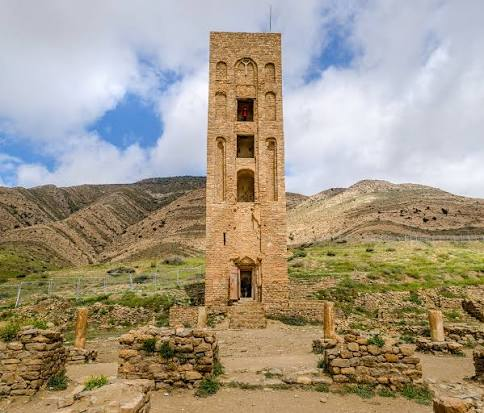
Qal'at Bani Hammad: Algeria's 11th-Century Aghlabid City
August 23, 2026
Read more →
August 23, 2026
image_2026-08-23_221330300.png
August 23, 2026
Timgad: Algeria's Roman North African Colony
August 23, 2026
Read more →
August 23, 2026
libya-tadrart-acacus-cave-art--e1508918107880.jpg
August 23, 2026
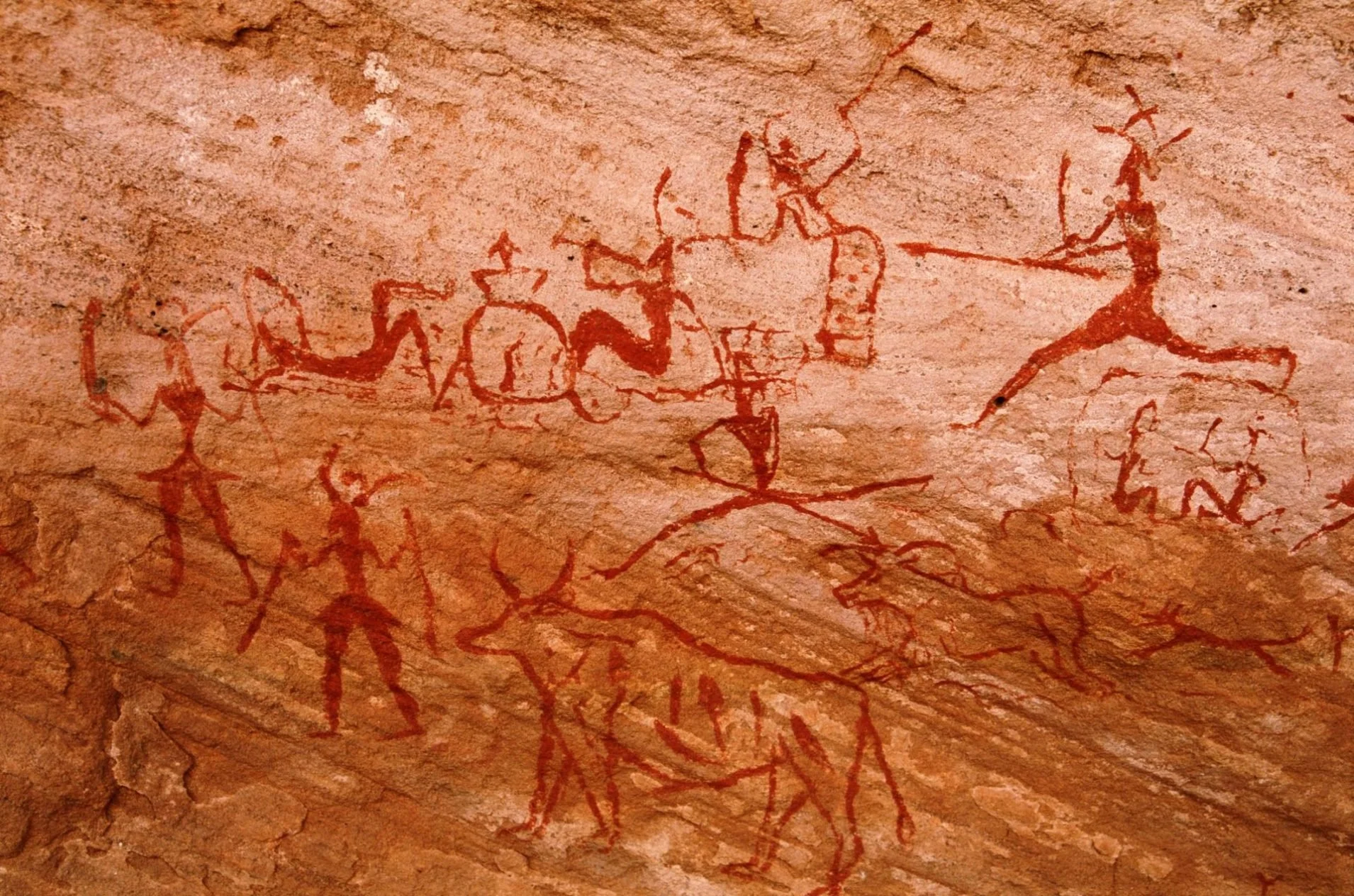
Acacus Mountains: Libya's 14,000-Year Rock Art
August 23, 2026
Read more →
August 23, 2026
Fondazione_Passaré_V1_056.jpg
August 23, 2026
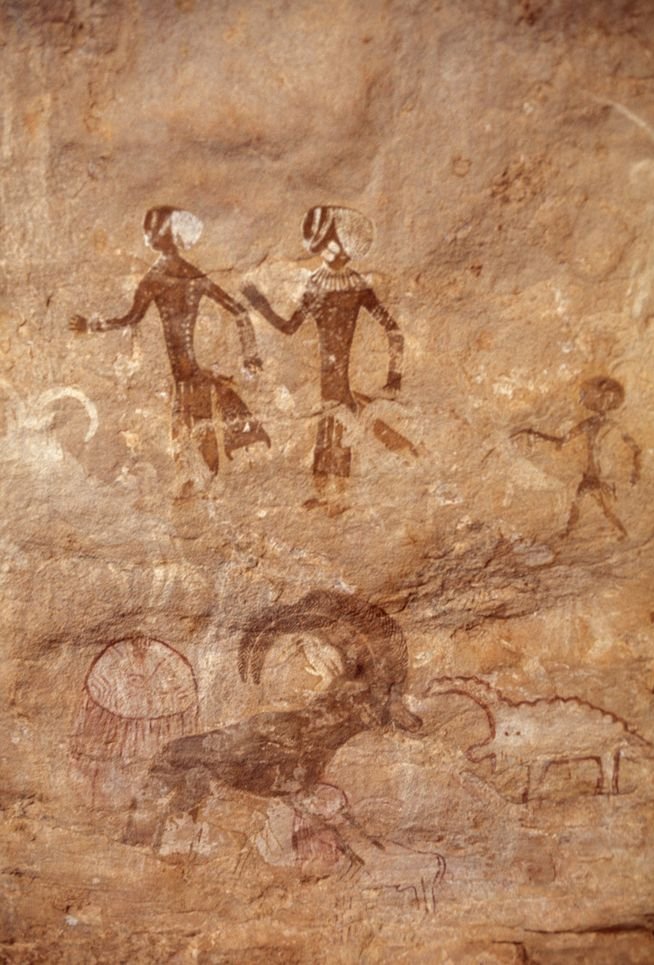
Ti-n-Torha: Libya's Round Head Paintings
August 23, 2026
Read more →
August 23, 2026
images.jpeg
August 23, 2026
Messak Settafet: Libya's 10,000-Year Engravings
August 23, 2026
Read more →
August 23, 2026
read more

Powered by The archaeologist